Flat Roof Coating for Commercial Buildings: What It Is, When It Works, and When It Doesn't
Which Flat Roofs Can Be Coated, and Which Can't
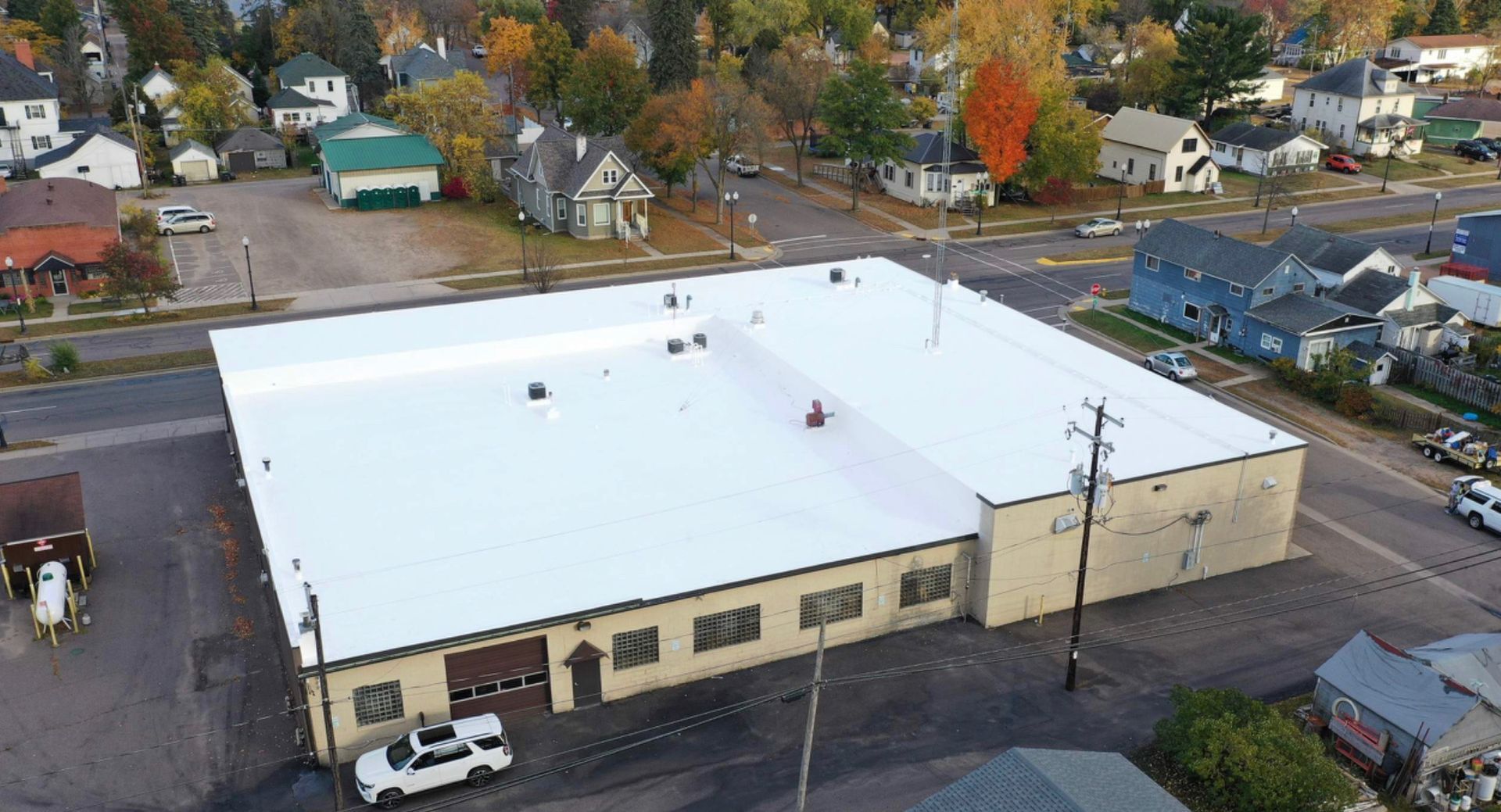
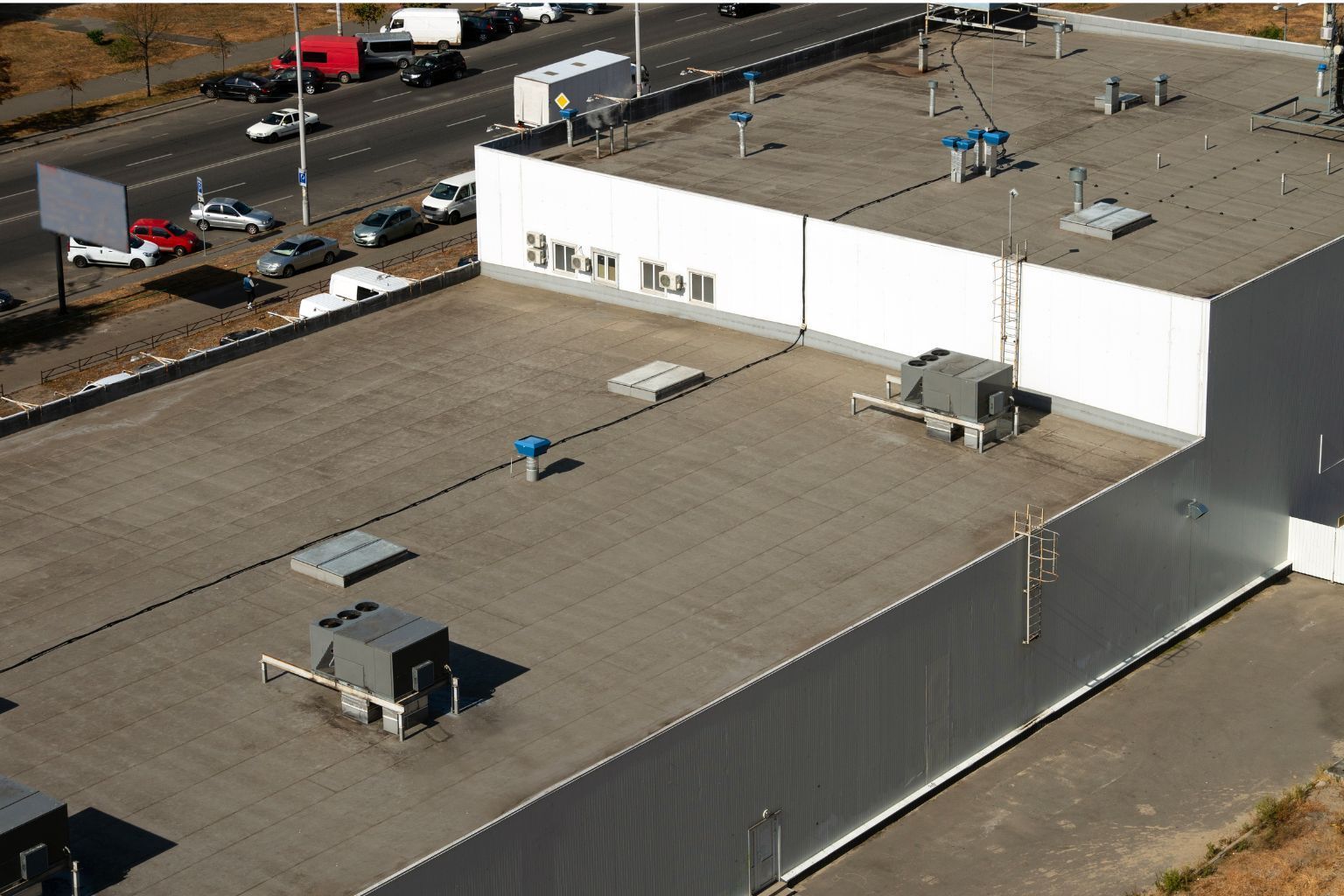
If you manage a building with an aging flat or low-slope roof, a coating can buy you years of life without a tear-off, usually for 40–60% less than a full replacement. A flat roof coating is a liquid-applied layer that turns your existing roof into one seamless membrane. The catch is that it only works on a roof that's still sound and dry underneath. This guide covers which flat roofs can be coated, which coating fits which roof, and the situations where coating is the wrong call.
What a flat roof coating actually is
A roof coating isn't paint. It's a thick, liquid-applied membrane that bonds to your existing roof and cures into one continuous surface with no seams.
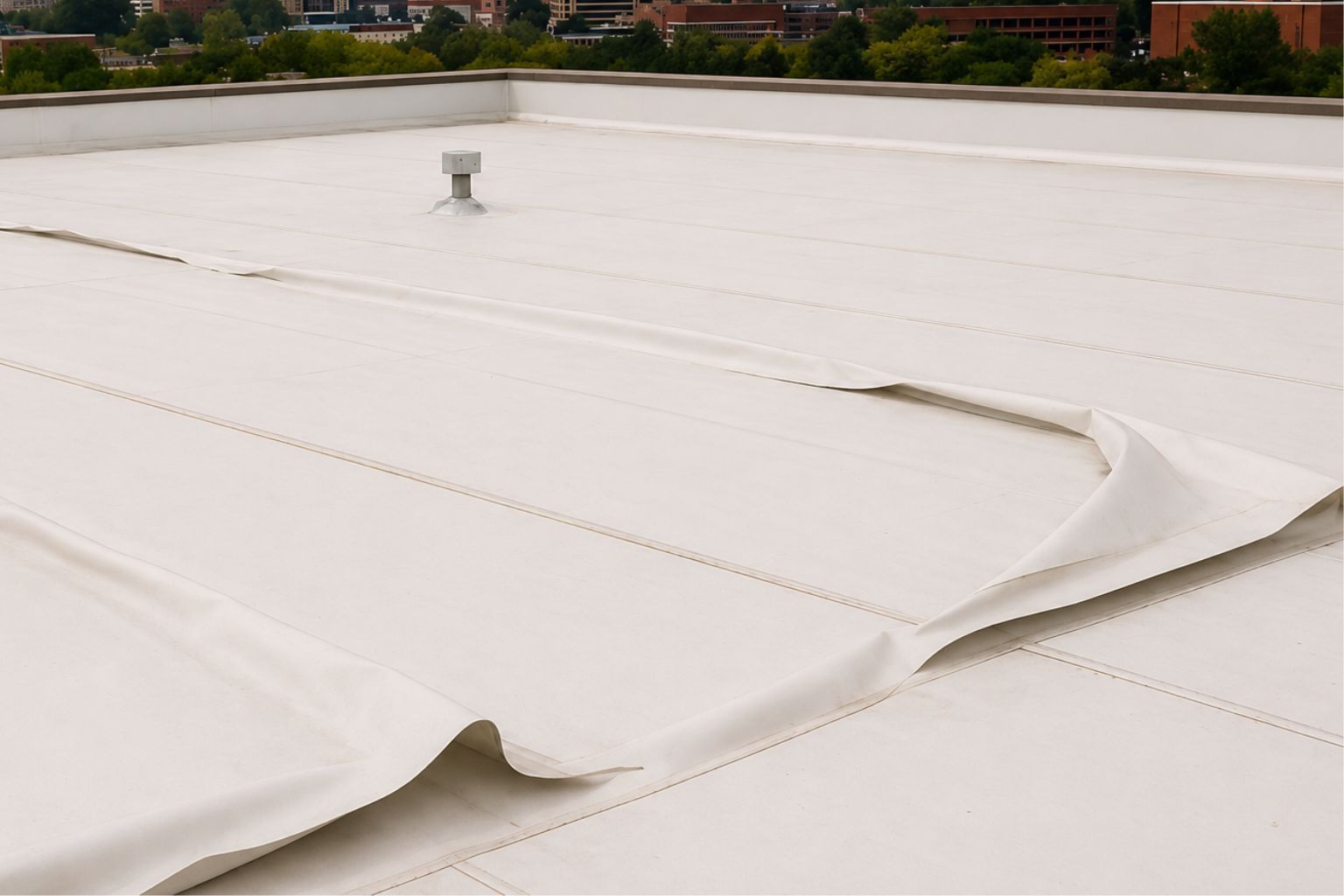
That matters because seams are where flat roofs usually fail. Single-ply sheets are joined at laps, asphalt roofs are built in layers, and every seam, flashing and penetration is a spot where water can work its way in. A coating covers all of it in one piece.
We spray our coatings, which lets us build an even, full-thickness layer across the whole roof and work it into the details around drains, curbs and rooftop equipment. If you want the full picture of the service, see our membrane coating service.
Which flat roofs can be coated
Most commercial flat roofs can be coated if they're in sound condition:
- TPO. Common on newer commercial buildings. Coating restores the surface and covers aging seams.
- EPDM (rubber). A rubber roof that's fully adhered or mechanically fastened can be coated.
- PVC. Coatable with the right primer and prep.
- Smooth asphalt roofs (modified bitumen and smooth built-up roofs). These get a primer made for asphalt first, so oils in the roof don't bleed up into the new coating.
- Spray foam. Foam roofs need a coating to protect the foam from sunlight, and recoating is part of normal foam maintenance. We coat existing foam roofs, and we install spray foam roofing too.
Not sure what your roof is made of? Our comparison of TPO, EPDM and PVC explains how to tell them apart.
Roofs covered in rock or gravel
You can't coat over loose rock. That includes rubber roofs held down with river rock and tar-and-gravel built-up roofs. Stripping the stone off to coat what's underneath rarely makes sense, so on these roofs we typically recommend a recover: a new roof installed over the existing one.
Silicone, acrylic or urethane on a flat roof
We install all three. Which one fits depends on your roof and how the building is used.
- Silicone holds up well to standing water and weather, which is why it's the coating most often recommended for flat roofs.
- Acrylic is highly reflective and works well on roofs that drain properly. It isn't meant for standing water.
- Urethane is the toughest of the three and stands up to foot traffic and impact, which helps on roofs with a lot of equipment and service visits.
We go deeper on the first two in silicone vs. acrylic roof coatings.
What about ponding water?
Plenty of coating sellers will tell you silicone solves ponding water. We look at it differently. Ponding means the roof isn't draining, and coating over it doesn't fix the drainage.
If water is ponding, we fix the slope with tapered insulation under a new roof instead of coating over the problem.
When a flat roof is a strong fit for coating
A roof like this is a strong fit for a coating:
- The roof is aging, but the membrane is still attached and mostly intact.
- Leaks are limited to seams, flashings and penetrations, not widespread.
- The insulation underneath is dry.
- The roof drains properly, without standing water.
- You want to extend the life of the roof and keep the building running while the work is done.
A coating restoration typically adds 10 to 20 years to a roof's life, and it can be renewed with another coat when that time is up.
When coating is the wrong call
This is the part most coating sales pitches skip.
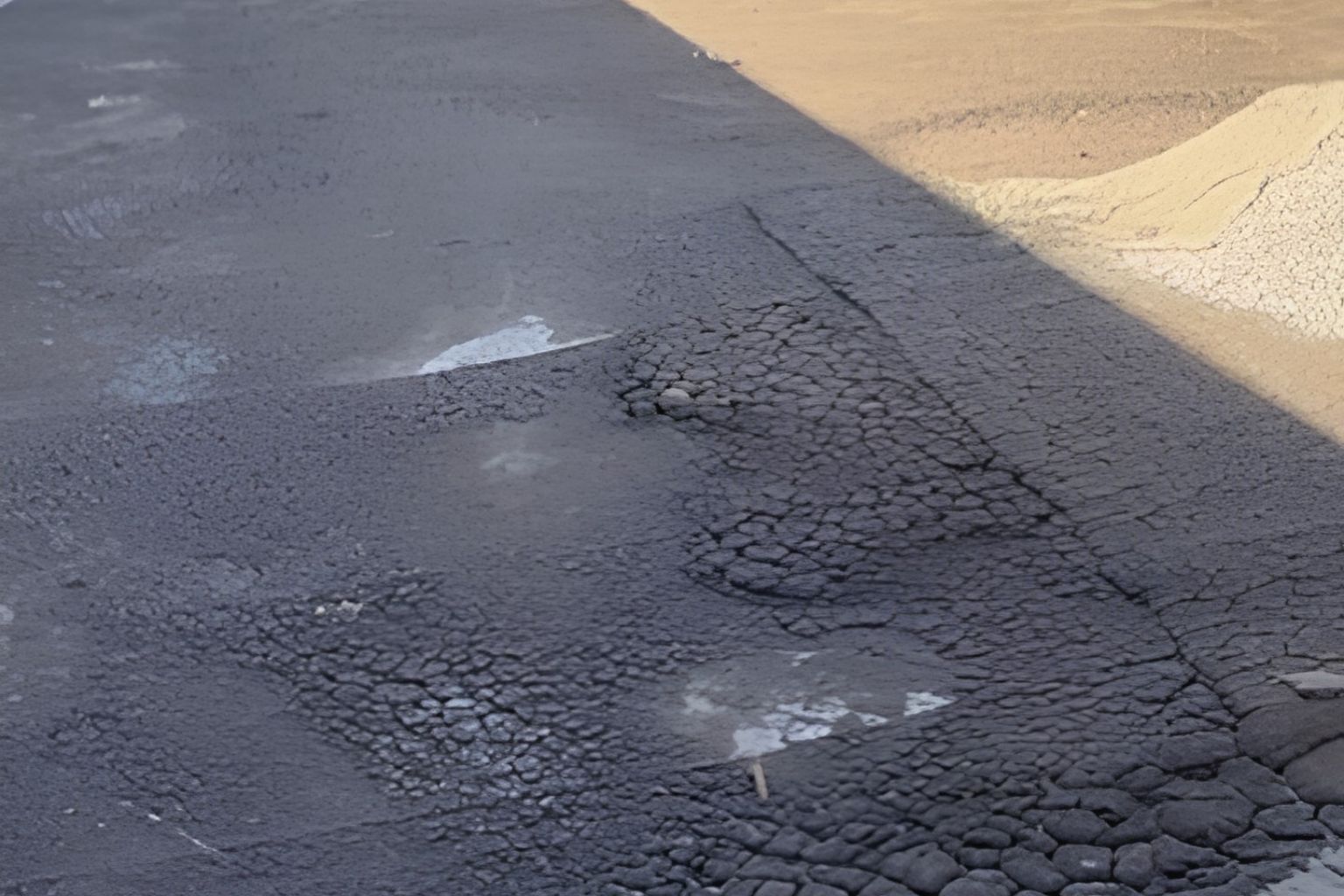
A coating protects a roof from the top. It does nothing for what's already happened underneath. On a flat roof, a leak doesn't just drip into the building. Water soaks into the insulation and stays there, and that trapped moisture works on the deck from below: wood decking rots and steel decking rusts.
So before we recommend a coating, we look at where the roof has been leaking. A leak at the edge of a wall usually means the water damage is limited. A leak in the middle of a room makes wet insulation more likely. It's a judgment call, and we'll tell you when it is one.
Published industry guidance says roofs with 20–25% or more of their insulation saturated generally need replacement rather than restoration (Roofing Contractor). We won't coat over wet insulation. We don't turn work down because of it either. We're straight with you about whether a roof can be recovered, and what the options are if it can't.
Coating is also the wrong call when:
- The roof is covered in rock or gravel (see above).
- The roof has drainage problems and water ponds.
- The deck is soft or damaged.
- An earlier coating has failed and is peeling or delaminating. Here's how to tell when a roof coating is failing.
If you're weighing the two options, our guide to restoring vs. replacing a coated roof walks through the decision.
Coating a flat roof: what the work looks like
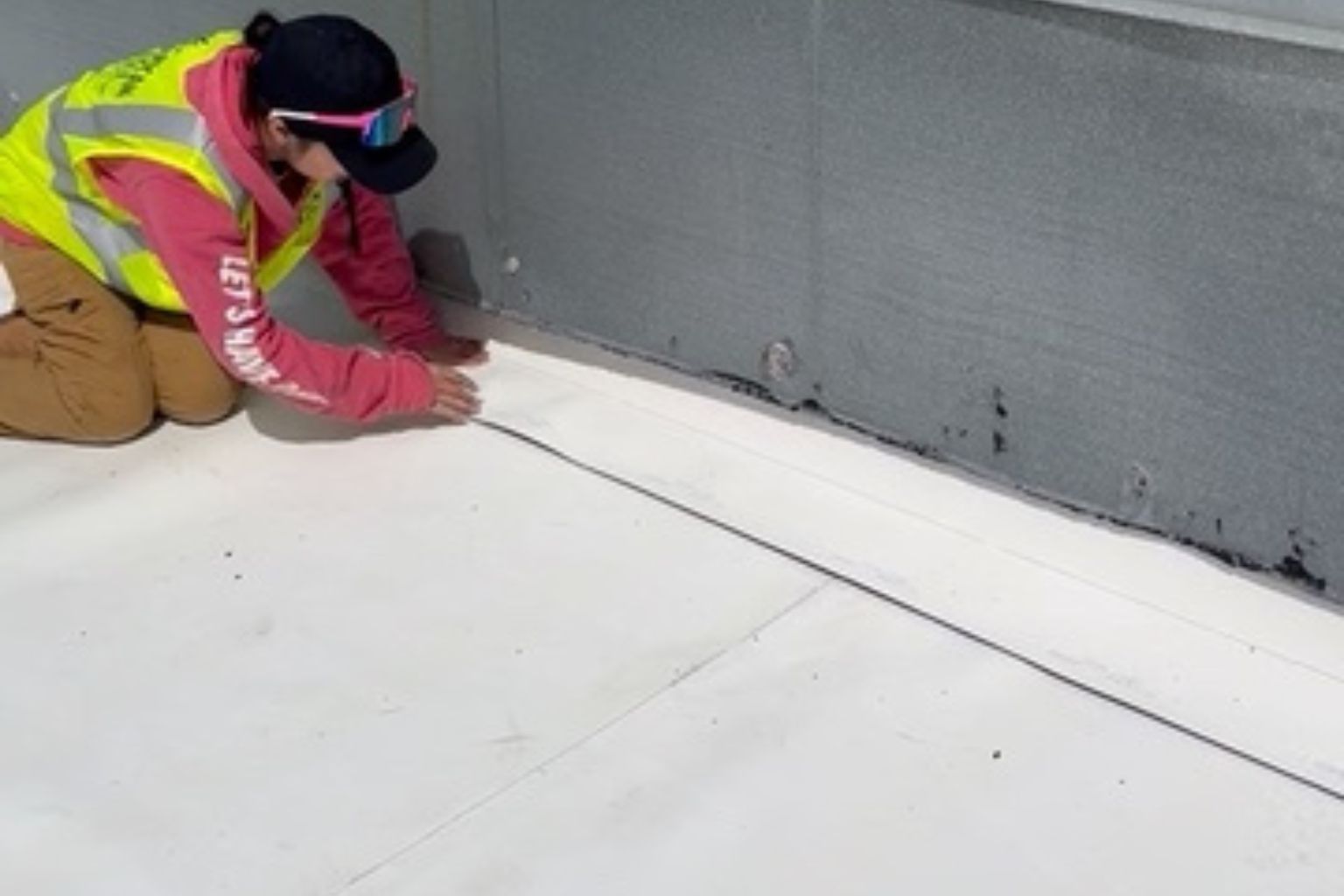
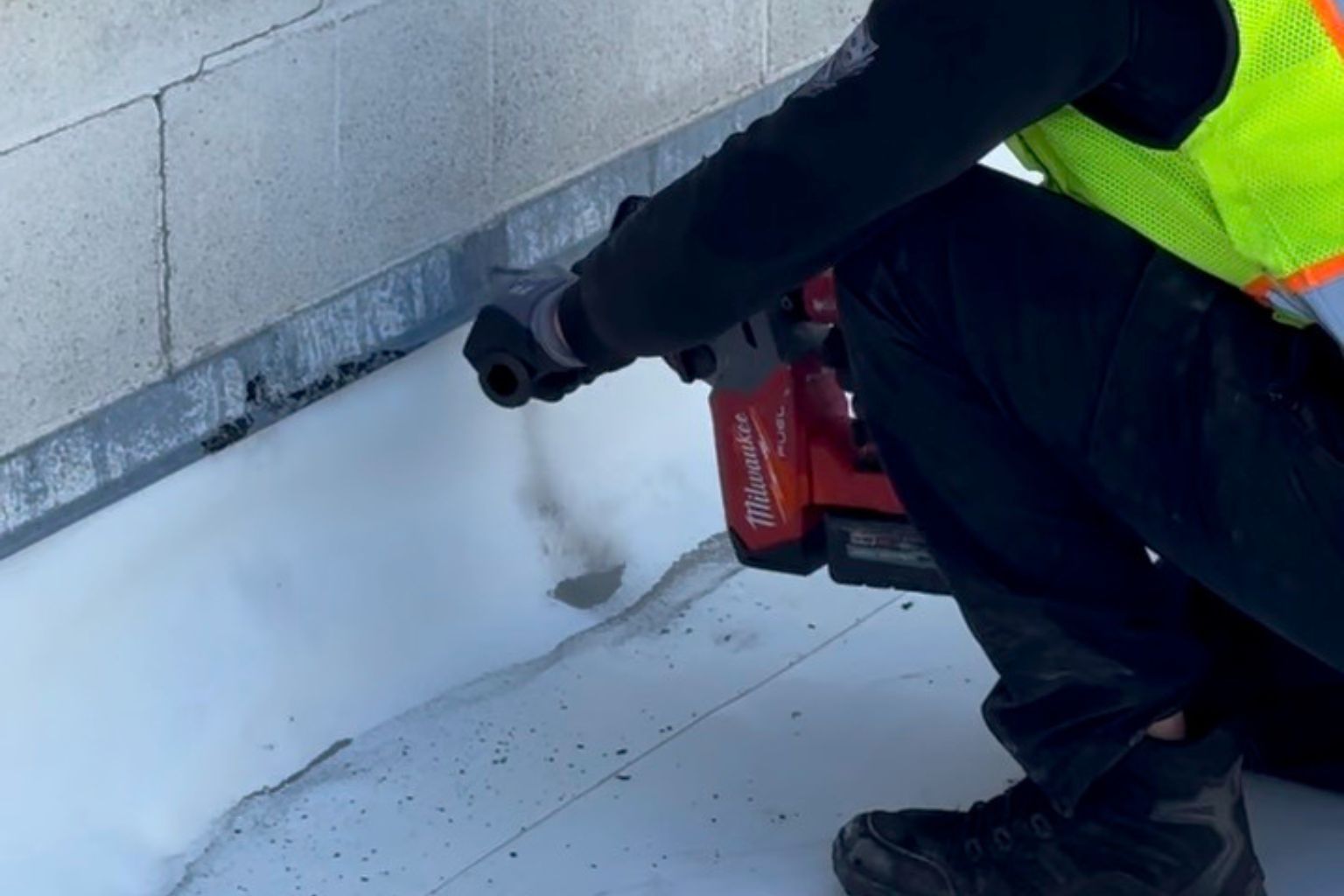
Every coating job starts with an inspection, then cleaning and repairs to seams, flashings and penetrations. Before we commit to a coating system, we run an adhesion test on your roof: we embed a fabric strip in a small test patch, let it cure, and pull it with a scale to measure how well the coating bonds. Then the coating is sprayed on in full thickness, with extra attention to the details where leaks start.
Coating isn't an intrusive job. Your business can stay open and operate normally while we work.
For the full step-by-step, see what to expect during a commercial roof coating.
Flat roofs in Wisconsin and Minnesota
Our winters are hard on flat roofs. Freeze-thaw cycles open up seams and flashings a little more every year, which is why preparing your roof for the freeze-thaw cycle matters here.
Ice damming is a bigger problem on flat and low-slope roofs than most people expect. Most ice dam advice is written for sloped house roofs, but a flat commercial roof is where melting snow has the fewest places to go.
Coatings need warm, dry weather to go on and cure, so our coating season runs from May through October. If your roof needs work, fall is the time to get it inspected and get on next season's schedule.
What does a flat roof coating cost?
A coating restoration usually costs 40–60% less than tearing off and replacing the roof. Your actual price depends on the size and condition of the roof, how much repair work is needed first, and which coating system fits. We break that down in what impacts commercial roof coating cost.
Frequently asked questions
How long does a flat roof coating last?
A coating restoration typically adds 10 to 20 years to a roof's life, and it can be renewed with another coat. How long your roof lasts overall depends on the roof type and how well it's maintained. See how long a flat roof lasts.
Can you coat a flat roof with ponding water?
We don't coat over a drainage problem. If water is ponding, we fix the slope with tapered insulation under a new roof.
Will a coating stop my roof from leaking?
A coating seals seams, flashings and penetrations, which is where most flat roof leaks start. But if water has already soaked the insulation, coating over it traps the problem. That's why we look at where and how the roof has been leaking before we recommend a coating.
Can you coat a flat roof in winter?
No. Coatings need warm, dry conditions to cure properly, so our coating season runs from May through October. We can still inspect your roof in the off-season, weather permitting, so you're ready when the season starts.
Do we have to close the building while you coat the roof?
No. Coating isn't an intrusive job, and your business can stay open and operate normally.
Get a straight answer about your flat roof
We serve commercial buildings across western Wisconsin and eastern Minnesota. From our Clear Lake shop we cover Hudson, New Richmond, Menomonie, River Falls and Eau Claire. Our Motley shop covers the Brainerd Lakes area, and we work in the Twin Cities too.
The owner typically walks your roof himself, and you'll get a report within 3 to 7 days telling you whether your roof is a coating candidate or needs something else. The inspection is free.
Schedule your free roof inspection or call 715-607-4276.