How Freeze-Thaw Cycles Damage Commercial Roofs in Wisconsin (and How to Prep)
Every winter, Wisconsin roofs freeze and thaw dozens of times. Here's what that actually does to a commercial roof — and what to fix before the first hard frost.
If you own or manage a commercial building in Wisconsin or Minnesota, freeze-thaw isn’t a once-a-year event. Through late fall, winter, and early spring, your roof can swing above and below freezing dozens of times — sometimes in the same week. Every one of those swings works on your roof like a crowbar.
This post explains how freeze-thaw damage actually happens on flat and low-slope commercial roofs, where it shows up first, and the prep work that prevents most of it. If you handle this in September and October, you avoid the emergency calls in January and the leak repairs in April.
What a freeze-thaw cycle actually does to a commercial roof
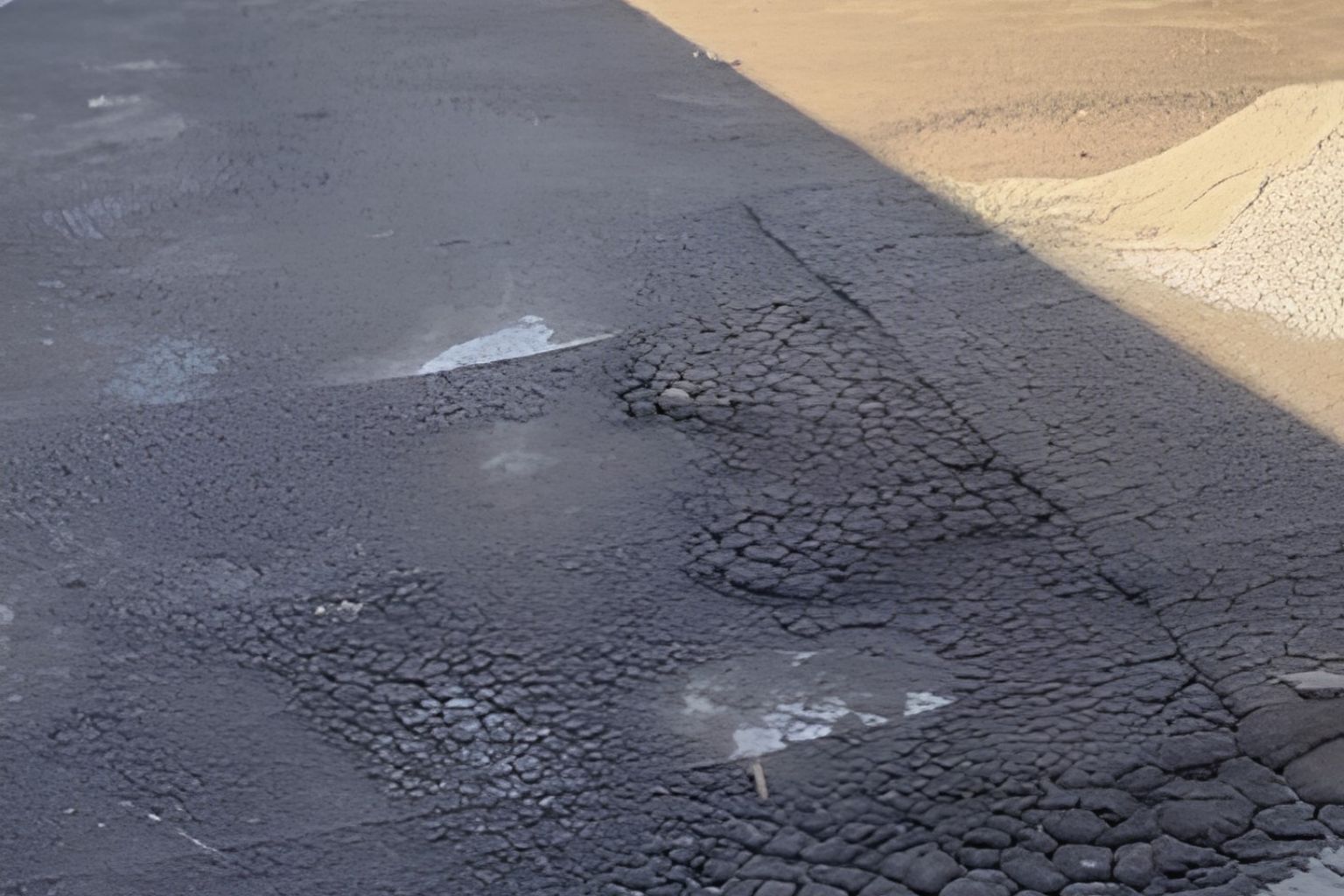
The mechanism is simple physics. Water finds its way into small openings — a hairline crack in the membrane, a seam that’s starting to lift, a gap at a flashing detail. When temperatures drop overnight, that water freezes and expands by roughly nine percent. The ice forces the opening wider. The next afternoon it thaws, and more water moves into the now-larger opening.
One cycle does almost nothing. Forty of them turn a hairline crack into a split seam, and a split seam into wet insulation. That’s why freeze-thaw damage is sneaky: nothing “fails” on a single cold night. The roof just gets measurably worse every week from November through March, and the bill shows up as a spring leak.
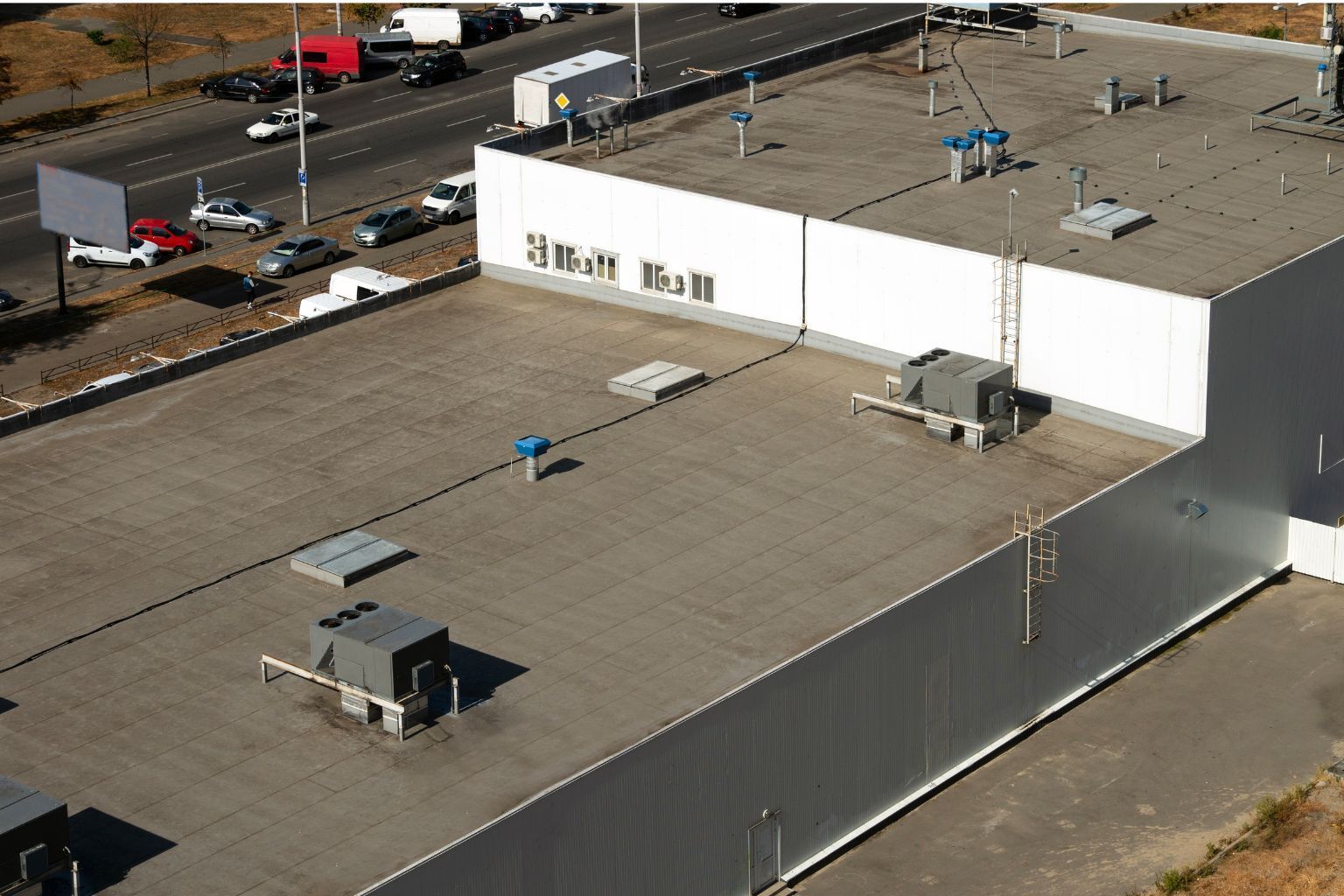
The buildings that get hit hardest are the ones with flat and low-slope roofs — which is most commercial, agricultural, and industrial buildings in our region — because water sits on them longer than it does on steep roofs. More standing water, more freeze-thaw exposure.
Where freeze-thaw damage shows up first
After years of inspecting commercial roofs across Western Wisconsin and Eastern Minnesota, these are the failure points we see over and over:
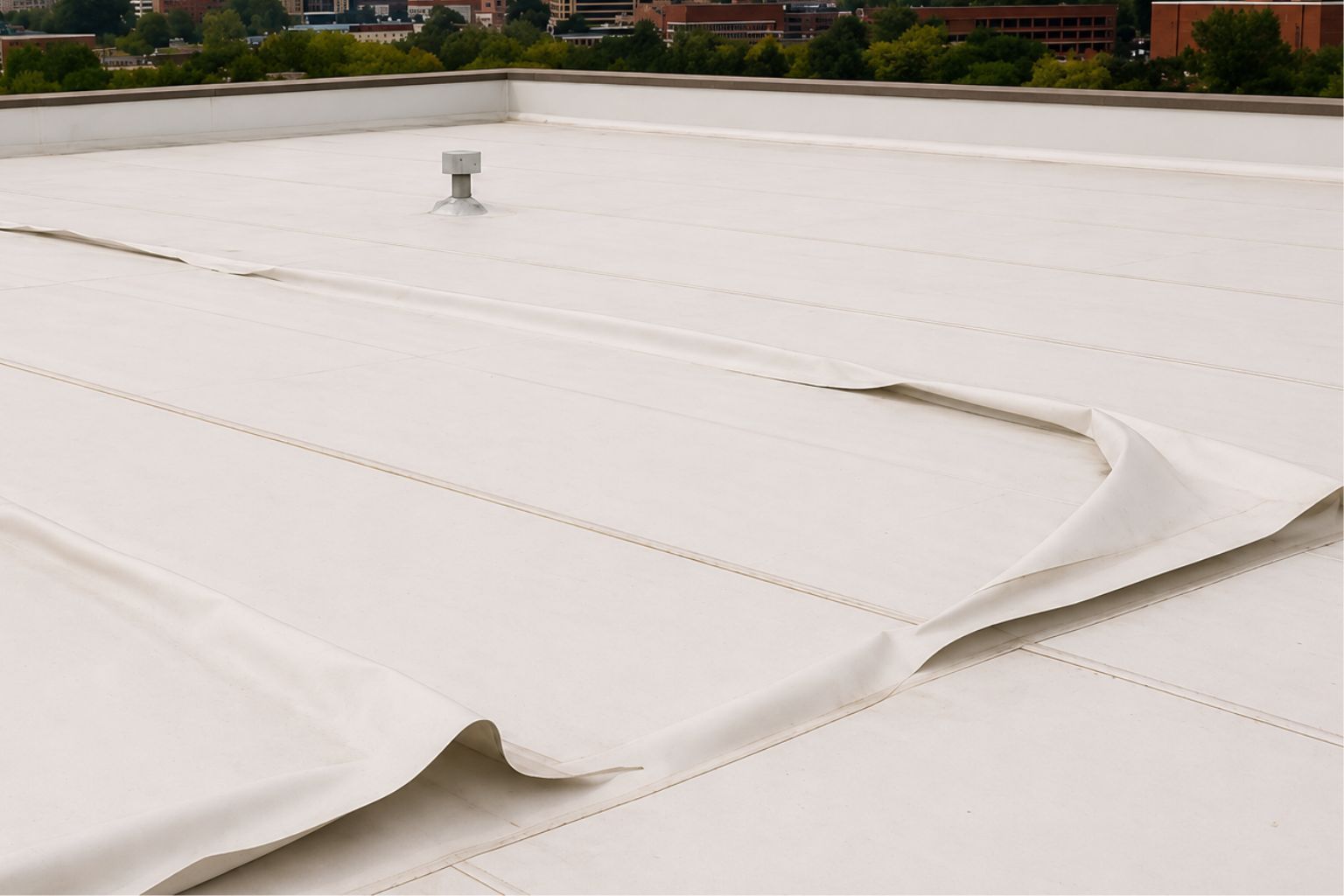
Seams and laps. On single-ply roofs (TPO, EPDM, PVC), the seams are the weakest link. Thermal cycling makes the membrane expand and contract, and the seams take that stress. Once a seam edge lifts even slightly, water gets under it, freezes, and peels it further.
Ponding areas. Anywhere water stands for more than 48 hours after rain is a freeze-thaw multiplier. Ponded water freezes into an ice block that stresses the membrane beneath it and the edges around it, cycle after cycle.
Flashing and penetrations. Every pipe, vent, curb, and HVAC unit is a hole in your roof that flashing has to seal. Metal flashing and membrane expand at different rates in cold weather, so these joints separate first. Most winter leaks trace back to a flashing detail, not the middle of the roof.
Drains and scuppers. A drain that’s even partially blocked by leaves or debris backs water up onto the roof — exactly where you don’t want standing water heading into freezing weather. When that backup freezes, it can also damage the drain assembly itself.
Parapets and roof edges. Ice forms along edges and low spots, expands, and pushes on parapet flashing and edge metal. This is where ice-related displacement damage tends to concentrate on commercial buildings.
Metal roofs are not exempt. Metal panels expand and contract more than almost any other roofing material. Thermal cycling backs fasteners out of purlins and opens panel seams — which is why so many metal roofs develop fastener leaks after a hard winter. If your metal roof is showing rust or seam gaps now, read our guide on metal roof coating: what it is, when it works, and when to replace before the snow flies.
Why fall prep beats spring repairs
There are three practical reasons to deal with this before winter instead of after:
Repairs done in season are cheaper and better. Membrane repairs, seam work, and coatings all need adequate temperatures to cure properly. Fall work is done under good conditions. Emergency work in January is done in the cold, on snow-covered roofs, at premium urgency — and it’s patchwork by definition.
Small problems stay small. A lifted seam edge caught in October is a minor repair. The same seam after a winter of freeze-thaw cycling can mean saturated insulation — and wet insulation can’t be dried, only removed and replaced. That’s the difference between a maintenance item and a capital project.
Your business doesn’t get interrupted. A planned fall repair happens around your schedule. A mid-winter leak over your inventory, equipment, or sales floor happens on its own schedule.
The pre-winter commercial roof prep checklist
Here’s what should happen on your roof before the first hard frost — roughly in priority order:
- Clear every drain and scupper. The single cheapest, highest-impact item on this list. Water that leaves the roof can’t freeze on it.
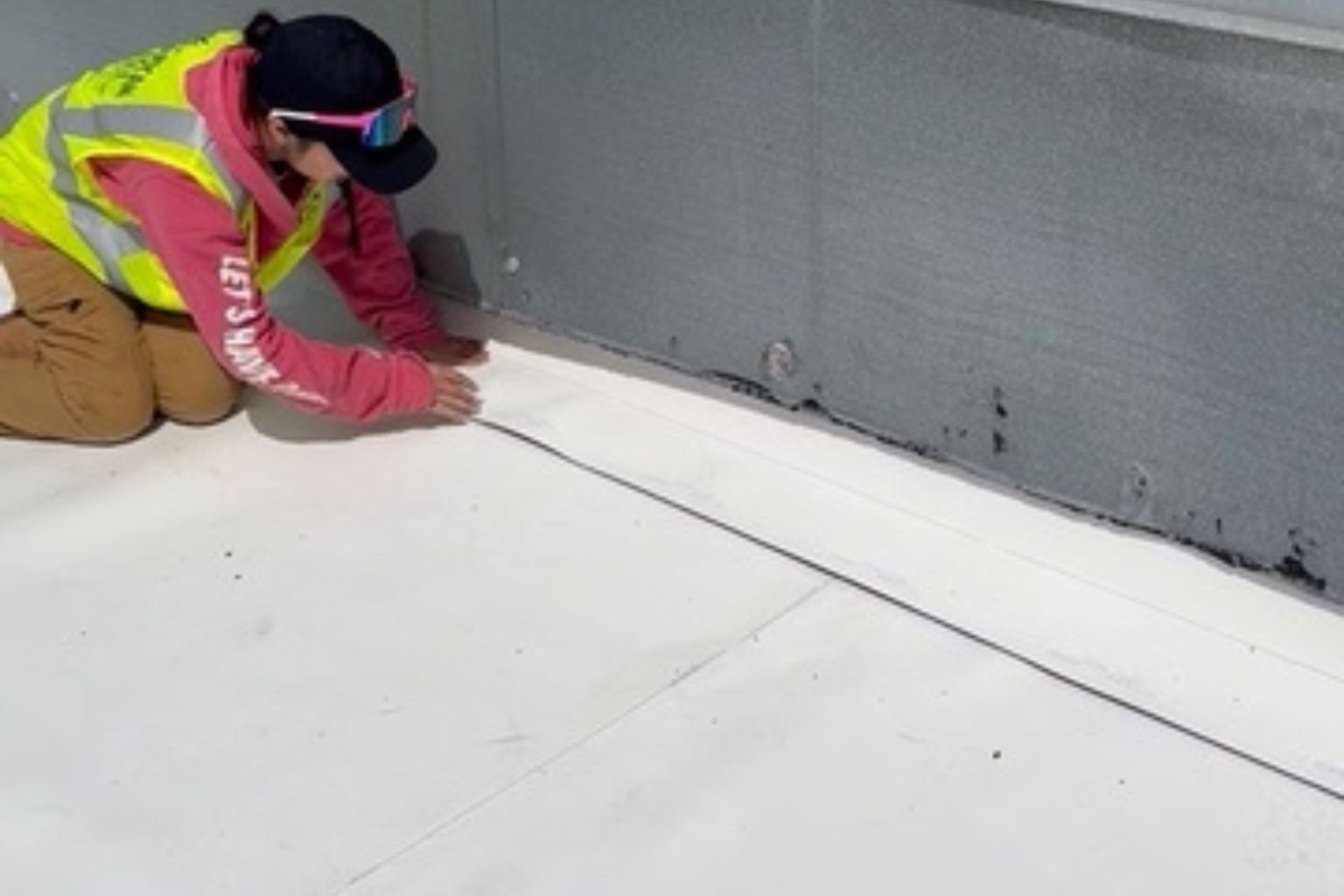
- Walk the seams. Look for lifted edges, fishmouths, and wrinkles on single-ply roofs. Every open seam edge is a freeze-thaw entry point.
- Check every flashing detail. Pipes, vents, curbs, HVAC units, parapet caps, edge metal. Sealant that’s cracked or pulling away needs attention now, not in March.
- Map your ponding areas. Mark where water stands after a rain. Those spots need drainage correction or, at minimum, close monitoring — they will be your first failure points.
- Address known weak spots. Previous repairs, patched areas, and aging sections should be re-checked. Freeze-thaw finds the weakest point on the roof every single time.
- Consider a coating before winter, not after. If your membrane is aging but sound, a commercial membrane coating creates a seamless, monolithic surface with no laps for ice to attack — and it’s far less disruptive than waiting for the membrane to fail. Fall is the deadline, though: coatings need proper curing temperatures.
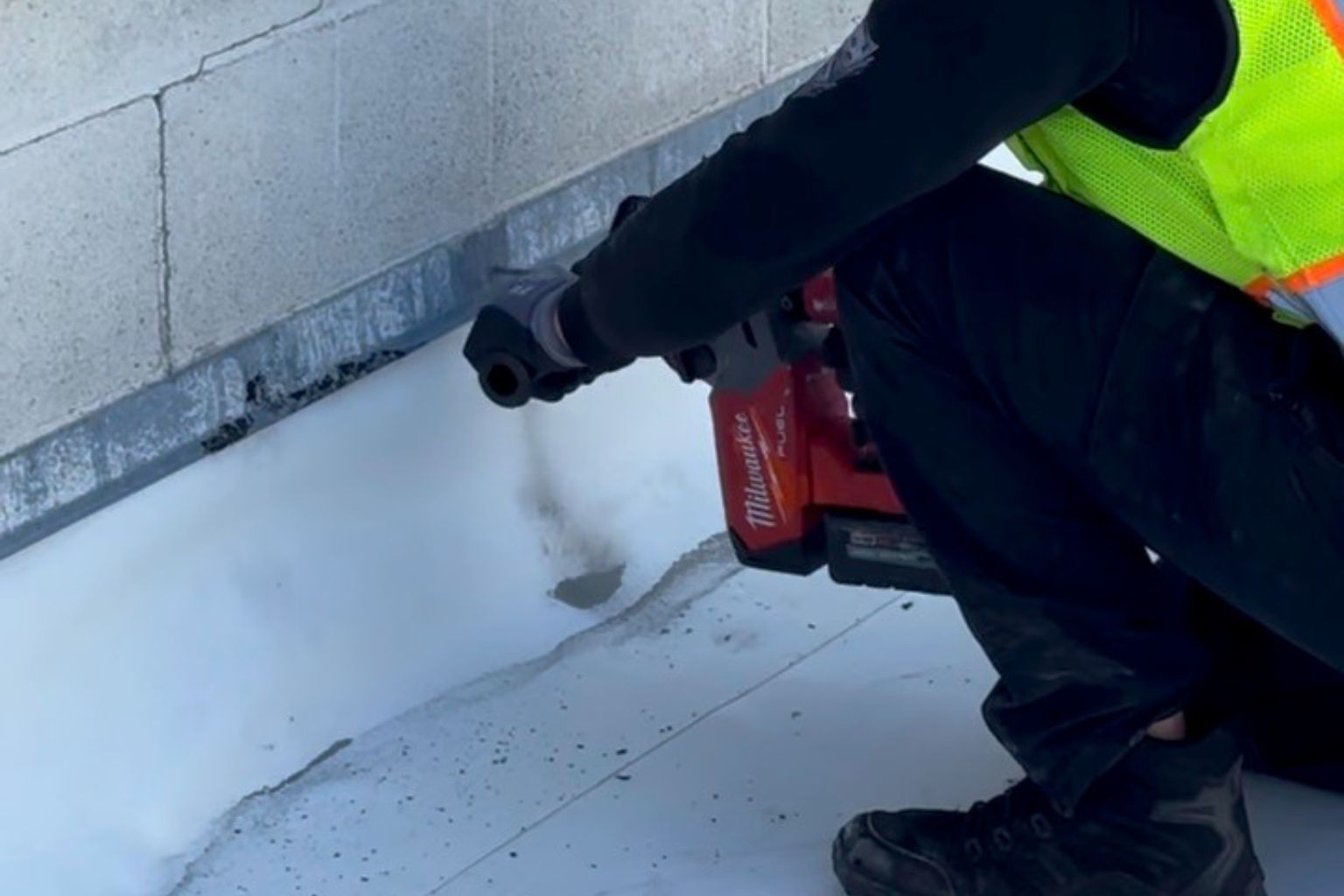
- Get it inspected by someone who works on commercial roofs. A proper commercial roof inspection with moisture detection tells you whether you’re winter-ready or carrying hidden wet insulation into the freeze season. Guessing from the parking lot doesn’t.
If leaks are already your problem, start with our guide on commercial roof leak prevention — most winter leaks are preventable with the same fall discipline.
And when spring comes, close the loop: here’s what to inspect on your commercial roof after a Wisconsin or Minnesota winter.
Frequently Asked Questions
When should I schedule pre-winter roof prep in Wisconsin?September through October is the window. You want repairs and coatings completed while daytime temperatures still allow materials to cure properly. By November you’re racing the weather, and by December the practical options narrow to emergency patching.
Does snow on the roof cause the damage, or the freeze-thaw cycling?Mostly the cycling. Snow load matters on older structures, but the repeated melt-refreeze pattern is what opens seams, splits membranes, and separates flashing. A cold winter that stays frozen is actually easier on a roof than a winter that bounces around the freezing point.
Can a roof coating be applied in winter?Not reliably in Wisconsin. Most coatings need sustained temperatures well above freezing to cure. That’s why we push building owners to make the coat-or-wait decision in late summer or fall — miss the window and the option is off the table until spring.
Is freeze-thaw damage covered by my roof warranty?It depends on the warranty — but most manufacturer warranties require documented regular maintenance, and neglected drains or unaddressed ponding can void coverage. A documented fall inspection protects the warranty as much as it protects the roof.
Get ahead of the frost
American Eagle Roofing & Coatings inspects, repairs, restores, and coats commercial roofs across Western Wisconsin and Eastern Minnesota — and we’ll tell you straight whether your roof needs work before winter or is fine as it stands. Schedule your free commercial roof inspection before the first hard frost: call (715) 607-4276 or request a quote online.