MEMBRANE COATINGS
Choose American Eagle Roofing and Coatings
Expert Installation, Premium Materials, and Unmatched Customer Service
Our team brings years of specialized experience in applying membrane coatings, ensuring a flawless and efficient installation process. We use only industry-leading materials that meet strict quality standards, delivering results that stand up to the toughest environmental conditions. With a commitment to transparent communication and personalized service, we guide you through every step—from consultation and inspection to final installation and maintenance advice.
What a Membrane Coating Actually Is
Liquid-applied protection over the roof you already have
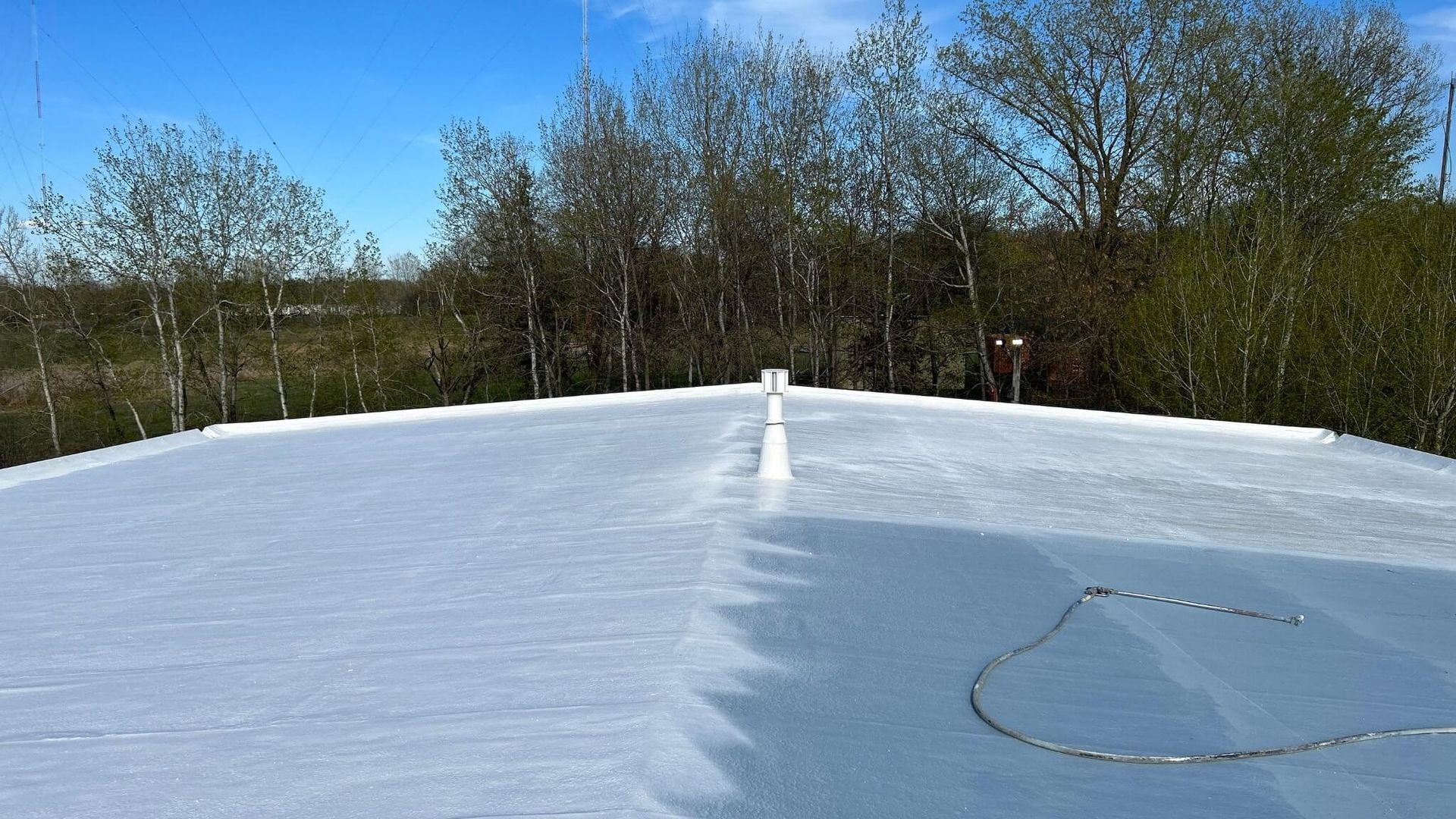
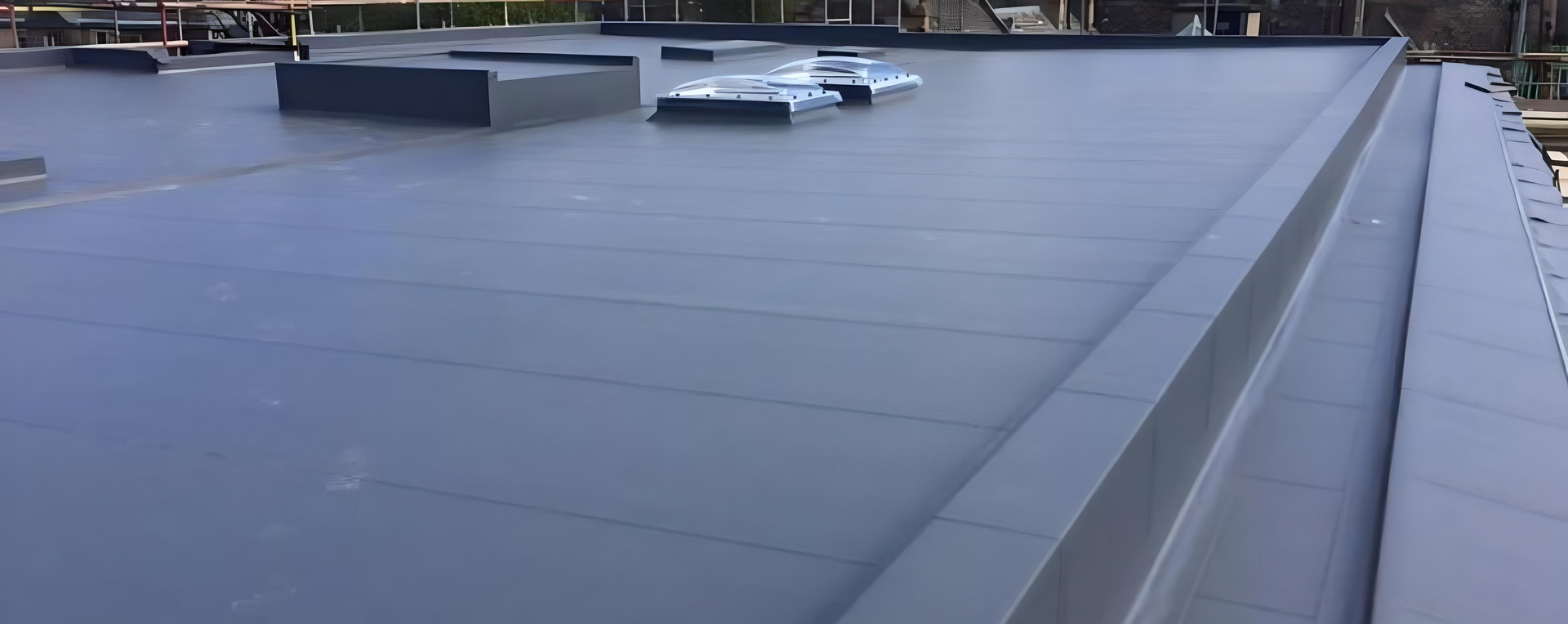
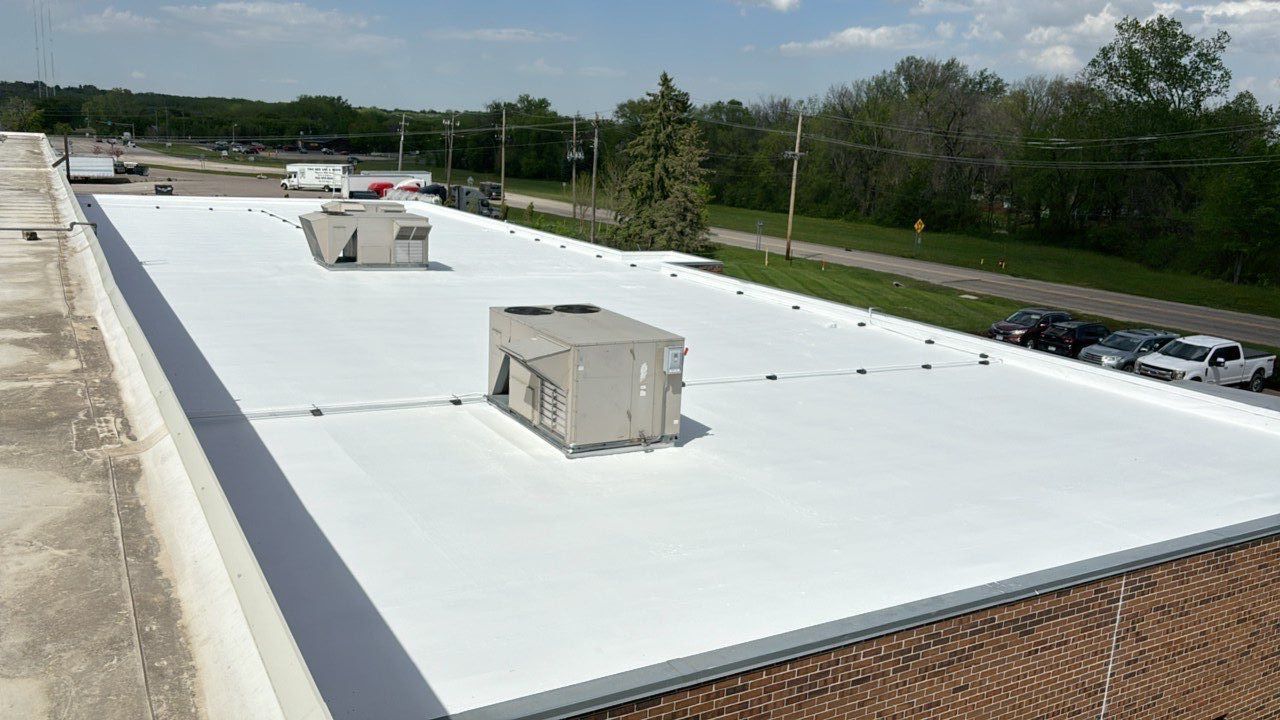
A membrane coating is a liquid silicone or acrylic product sprayed or rolled over your existing membrane roof, where it cures into one continuous waterproof layer.
The important word is continuous. Your single-ply roof is sheets seamed together, and seams are where roofs fail first. A coating covers the field, the seams, the flashings, and the penetrations in one unbroken surface, so there are no laps left for water to work into.
It is not a new roof, and anyone selling it as one is overselling. It is a way to stop an existing roof from getting worse and reset its clock, when the deck and insulation underneath are still dry.
TPO, EPDM, and PVC: What Changes With Each
How each membrane takes a coating
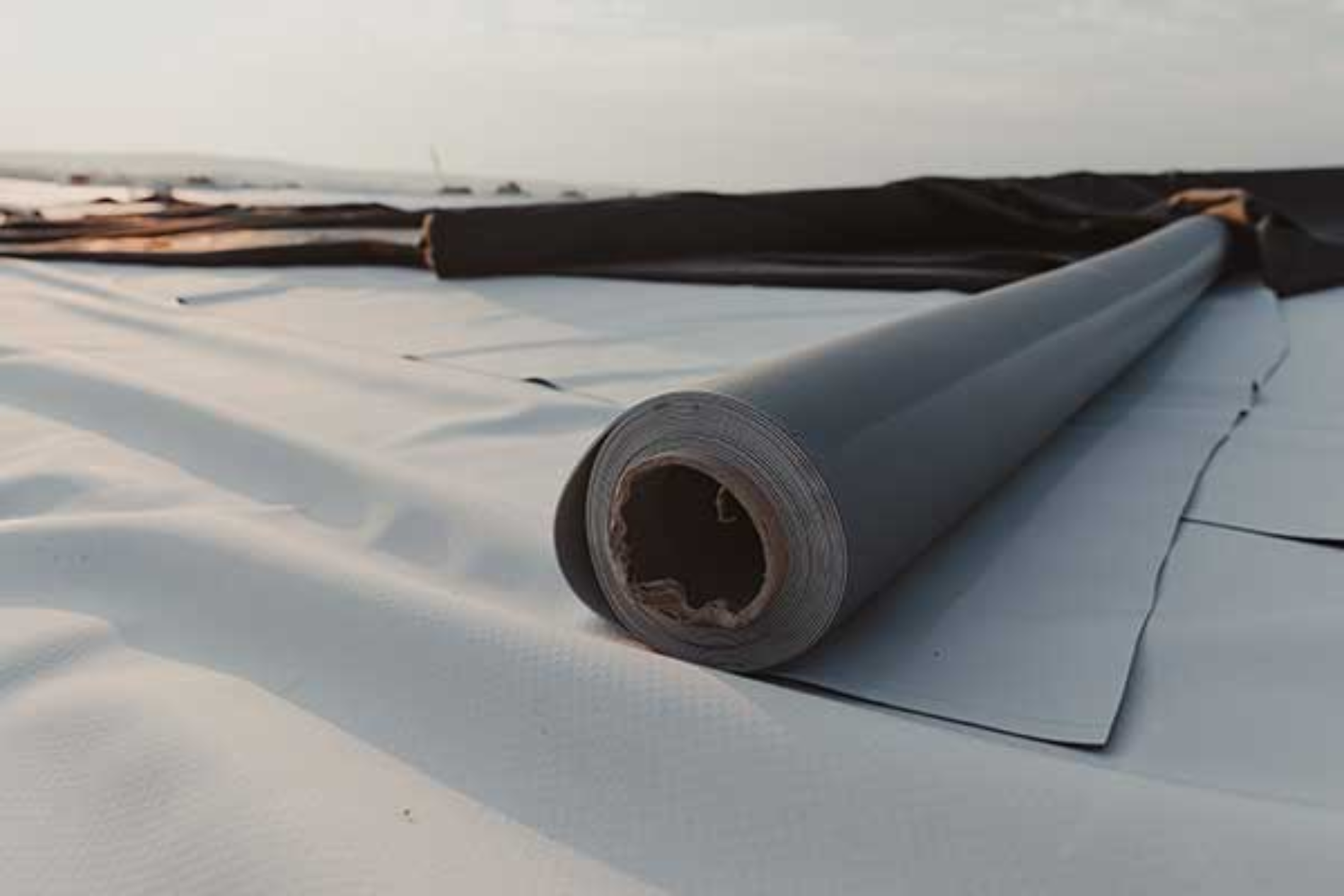
TPO is common on newer commercial buildings across Wisconsin and Minnesota. It holds coatings well once it is cleaned and primed. Older TPO gets brittle at the seams, so seam reinforcement comes first.
EPDM is the black rubber roof on a lot of older buildings here. It needs the right primer or the coating will not bond, and that is where inexperienced crews get into trouble. Coating an EPDM roof also flips it from heat-absorbing black to reflective white.
PVC is durable and chemical-resistant, common on restaurants and industrial buildings. It plasticizes with age and needs a compatible coating system, not whatever happens to be on the truck.
Still deciding? Our full breakdown of TPO vs. EPDM vs. PVC walks through the trade-offs.
Is Your Roof a Candidate?
The insulation decides it, not the sales call
A coating usually makes sense when the membrane is weathered but intact, the insulation underneath is dry, and the leaks are at seams and flashings rather than across the whole field.
It does not make sense when the insulation is wet. Wet insulation cannot be dried out. Coating over it seals the problem in, and you have paid to trap it instead of fixing it. That is the most common reason a roof needs replacement instead of a coating, and we will tell you straight when that is the case.
A coating only pays off if the roof underneath is still sound. Here's how to decide between restoration and replacement before you spend a dollar on either.
Timing matters too. Coatings need curing temperatures, which is why freeze-thaw damage on Wisconsin commercial roofs makes fall the deadline, not the fallback.
The work itself: a full inspection, cleaning, seam and detail reinforcement, primer where the membrane requires it, then base and top coats at the manufacturer's specified thickness. Your building stays open the whole time. No tear-off, no dumpsters, no exposed deck. Thickness is where cut corners show up three years later, and it is the thing most quotes are vague about. We spell it out. For the full walkthrough of what happens on site, read our commercial roof coating process guide. For how long a coating lasts and what the warranty actually covers, see coating lifespan, maintenance, and warranties.
We coat commercial, industrial, and agricultural roofs across Western Wisconsin and Eastern Minnesota. From our Clear Lake shop we cover Hudson, New Richmond, Menomonie, River Falls, and Eau Claire. Our second location in Motley, MN covers the Brainerd Lakes area, including Baxter, Brainerd, and Little Falls. Warehouses, manufacturing plants, retail centers, clinics, restaurants, and ag buildings are all routine work for us.
Ready to upgrade your roof with the latest in
MEMBRANE coating technology?
Contact Us at
715-607-4276
or complete our
online form
to discuss your Personalized Roofing Solution
Let our experts assess your roofing needs and deliver a tailored solution that ensures maximum protection, energy savings, and long-term value for your property. Reach out now and take the first step toward a stronger, more efficient roof!
Other Services
Check out our full suite of commercial metal roofing solutions—select an option below for more details