Silicone vs Acrylic Roof Coatings: Which Is Best for Commercial Roofs?
How to Choose Between Silicone vs Acrylic Roof Coatings for Your Commercial Building
If you’re researching silicone vs acrylic roof coating, you’re already asking the right question.
Most coating failures don’t happen because a contractor picked the “wrong brand.” They happen because the coating system didn’t match the roof’s real conditions—especially ponding water, failing seams, and detail problems.
This guide breaks down where silicone typically wins, where acrylic often makes more sense, and what an inspection should confirm before you invest.
Start here : Commercial Roof Coating: restore vs replace, cost, lifespan, and best uses
Quick definitions in plain English
Silicone roof coating
Silicone coatings are commonly chosen for their weather/UV resistance and are often considered when a commercial roof has ongoing exposure to standing water.
Acrylic roof coating
Acrylic coatings are water-based coatings commonly used on commercial roofs that have good drainage, where reflectivity and UV protection are key goals.
Important: Neither coating “fixes” a roof that needs repairs. The coating choice is only one part of a restoration system.
The biggest deciding factor: ponding water (standing water)
If your roof holds water after rain, this matters more than anything else:
Silicone is often evaluated when ponding water is unavoidable
Acrylic is typically a better fit when drainage is good, but here’s the part people miss. A coating is not a drainage fix
If ponding is caused by clogged drains, scuppers, low spots, or slope issues, you should address those as part of the project, or the roof will keep failing.
If recurring leaks are happening at drains and low areas, read this first to learn how to stop leaks at seams and drains:
Silicone vs Acrylic: side-by-side comparison for commercial roofs
1) Standing water and wet exposure
Silicone: often preferred when ponding water is a recurring reality
Acrylic: generally best when water drains well and doesn’t sit for long periods
2) UV resistance & weathering
Both can perform well in UV exposure. Roof condition and spec (thickness) matter more than most people think.
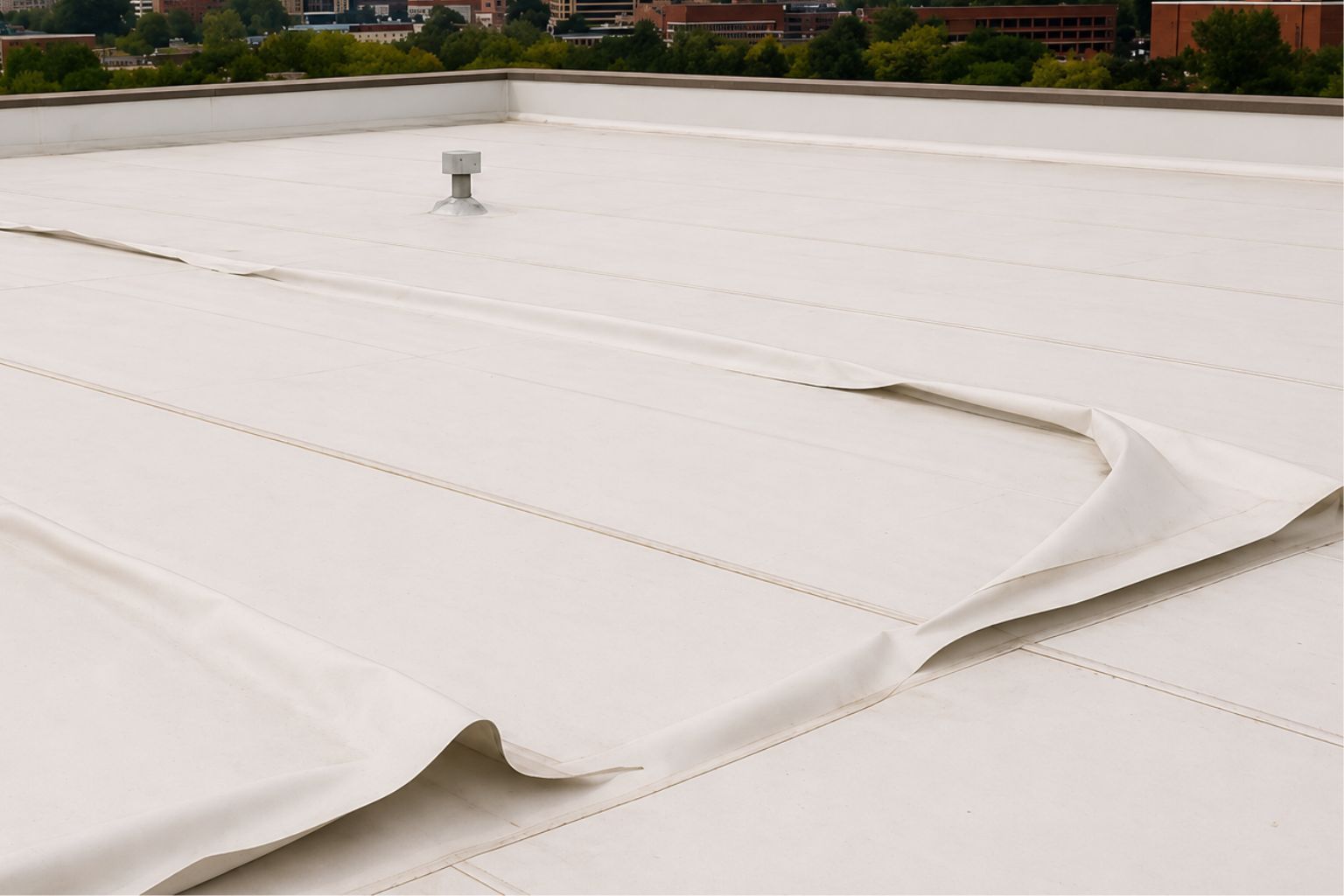
3) Seam and detail performance (where most leaks start)
Most leaks are not “field failures.” They come from:
- seams
- penetrations
- transitions
- drains
If your roof is leaking at these points, detail work and reinforcement matter as much as the coating chemistry.
4) Foot traffic and mechanical damage
Neither silicone nor acrylic is “bulletproof” against rooftop traffic without protection.
If your roof sees service tech foot traffic, walk pads and maintenance matter.
5) Maintenance and recoating
Both systems can perform long-term if the roof is inspected periodically and repaired early, before a small issue becomes a leak.
When silicone is usually the better choice
Silicone often makes sense when:
✅ ponding water is common (and can’t realistically be eliminated)
✅ the roof qualifies for restoration and the details will be rebuilt properly
✅ the building gets heavy sun/weather exposure
✅ you need a durable top layer for a commercial roof restoration plan
When acrylic is usually the better choice
Acrylic often makes sense when:
✅ the roof drains well (little to no standing water)
✅ the roof qualifies for restoration and seam/detail work is addressed
✅ reflectivity and UV protection are top priorities
✅ you want a strong restoration option under the right conditions
The part most owners get wrong: coating choice won’t save bad prep
If you want the system to last, this is the reality:
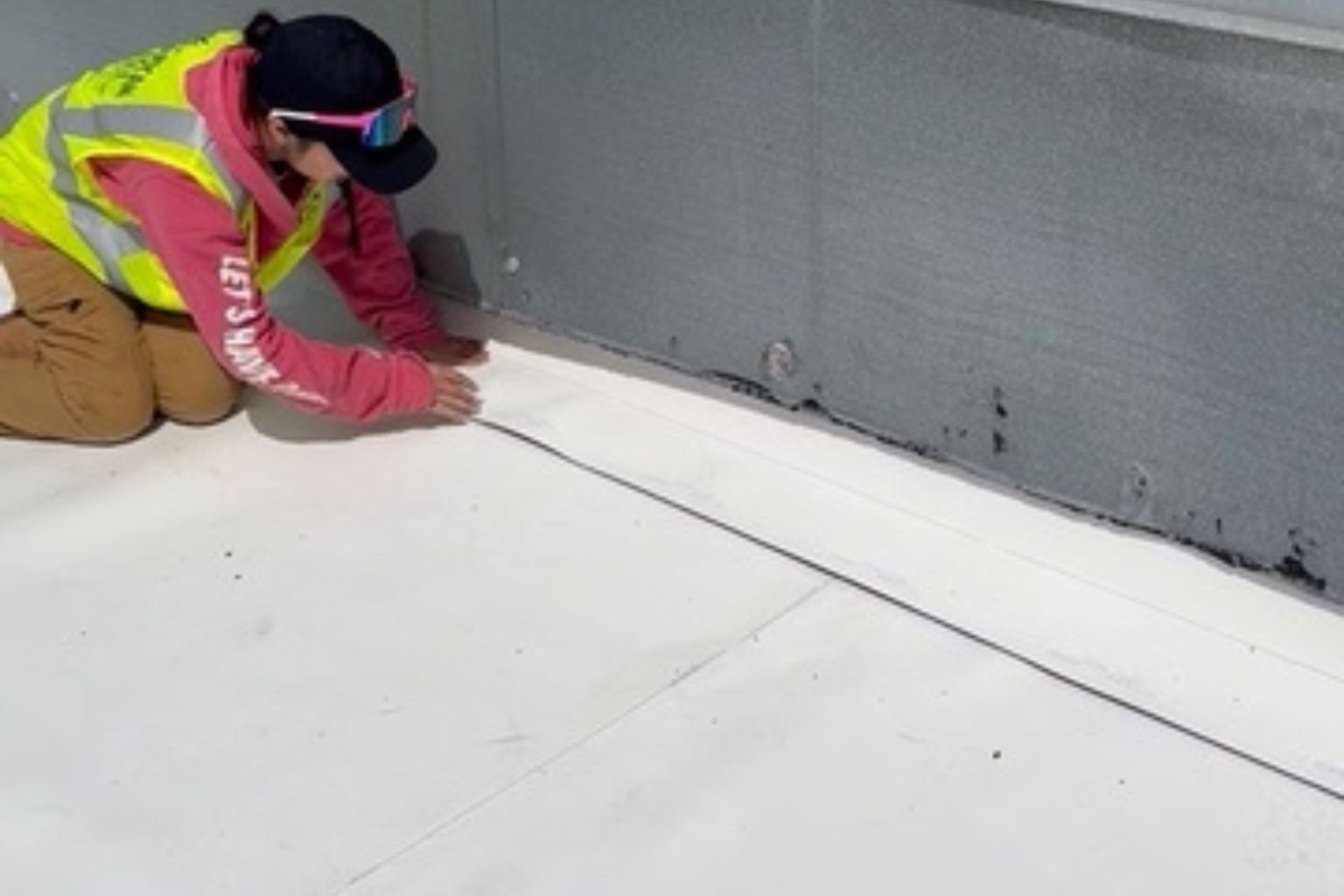
Prep + repairs + detailing are the “real product”
Most cost differences between bids come from:
- surface prep requirements
- seam repairs and reinforcement
- penetration work
- drain/edge detailing
- thickness/spec
If you want to understand why bids vary, read this: What impacts price and what's worth paying for.
What about metal roofs—silicone vs acrylic?
On metal roofs, the biggest issue is usually not the coating type—it’s fasteners, seams, and transitions.
If your building has a metal roof, this guide will help you decide whether coating is even the right move: Learn when coatings will work for your metal roof
What an inspection should confirm before choosing silicone or acrylic
Before anyone confidently says “use silicone” or “use acrylic,” an inspection should confirm:
- Roof type and current condition
- Leak sources (seams, drains, penetrations, transitions)
- Drainage/ponding severity and why it’s happening
- Moisture concerns (wet insulation/trapped moisture)
- Whether the roof is a candidate for restoration
- What prep/repair scope is required for long-term performance
If you want a clear recommendation for your building, start with a commercial roof inspection.
Get your Commercial Roof Inspection
Quick decision summary (simple rule of thumb)
If your roof has ponding water that can’t be eliminated, silicone is often the first option evaluated.
If your roof has good drainage, acrylic can be a strong choice.
But either way:
the roof must qualify, and the details must be repaired and reinforced—or the system won’t perform.
FAQ
Is silicone roof coating better than acrylic?
Not always. Silicone is often chosen when ponding water is a recurring issue. Acrylic can perform very well when drainage is good. Prep and detail work matter most.
Can I coat over an existing coating?
Sometimes. Adhesion and roof condition must be evaluated. Failed areas need proper prep and repair before recoating.
What coating lasts longer on commercial roofs?
Lifespan depends on roof condition, prep quality, thickness/spec, and maintenance—not just coating type.