How to Extend the Life of Your Commercial Roof (Without Replacing It)
Here's something most roofing companies won't tell you: the majority of commercial roofs that get replaced didn't need to be. They weren't worn out — they were neglected until the damage crossed the line where restoration stops making sense.
That line is the most expensive line in your building's budget. On one side of it, you're spending a little to add ten or more years of life. On the other side, you're looking at a six-figure tear-off.
This guide covers how to stay on the right side of that line: what actually kills commercial roofs in Wisconsin and Minnesota, the five habits that extend roof life, where coatings fit (and where they don't), and the honest math of maintenance versus replacement. We put roofs through this exact process every week — this is the playbook, free.
Why commercial roofs die early (it's almost never age)
A commercial roof is rated for 20, 30, sometimes 40+ years. Very few reach their rating. The killers, in the order we see them:
Water that sits. Ponding water is the number-one roof killer in our region. A membrane that sheds water can last decades; the same membrane under a permanent pond degrades in a fraction of that time — and every freeze turns that pond into a wedge that pries seams apart.
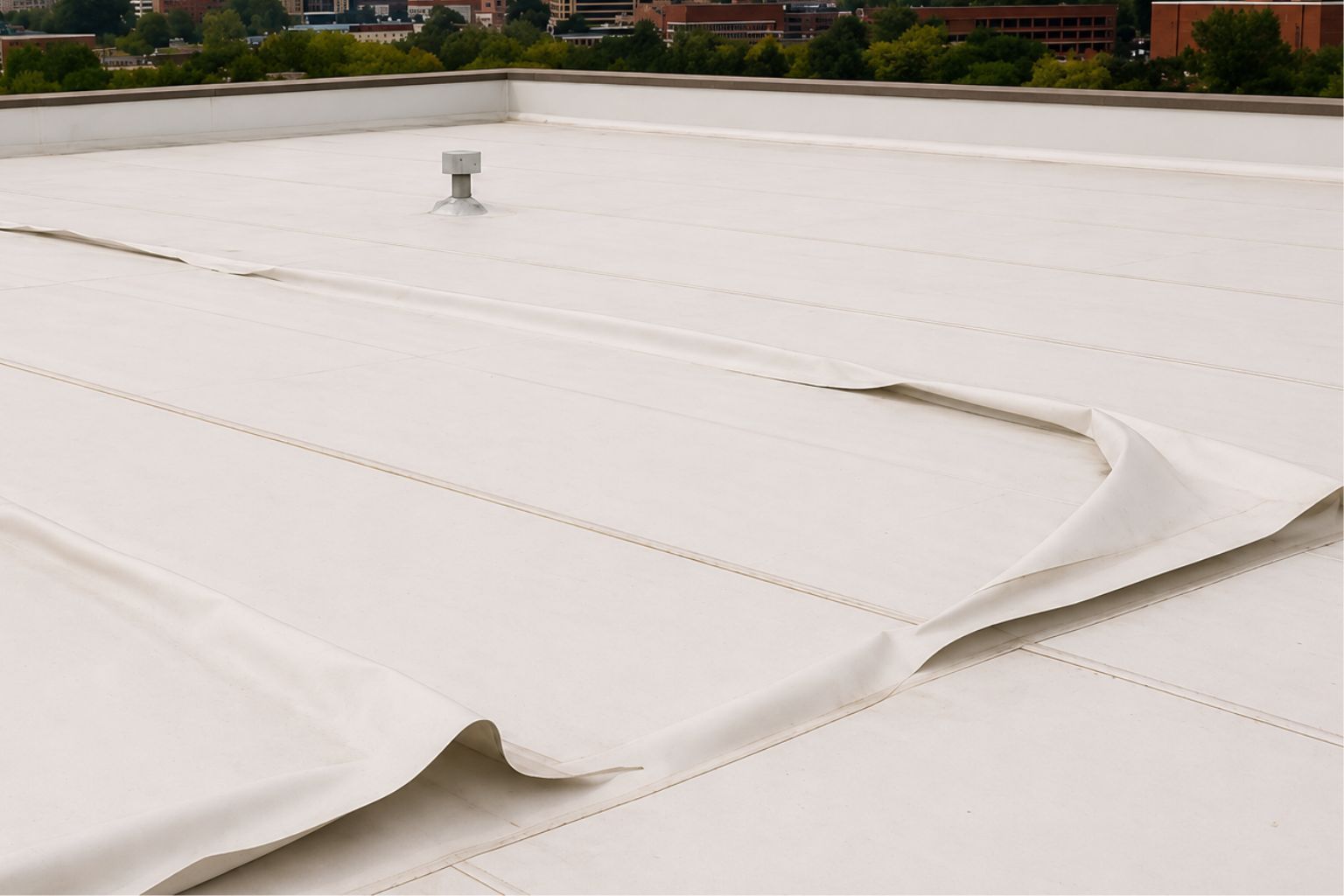
Small leaks that wait. A seam split or a failed pipe boot is a minor repair the month it happens. Left through one winter, water saturates insulation, rusts deck fasteners, and turns a small fix into a section replacement. "We'll deal with it in spring" is the most expensive sentence in facility management.
Freeze-thaw cycling. Wisconsin and Minnesota roofs expand and contract through 120°+ annual temperature swings and dozens of freeze-thaw cycles. Every cycle works fasteners looser, opens seams wider, and cracks aged coatings a little more. This is why a maintenance schedule that works in Missouri fails up here.
UV and weathering on unprotected surfaces. Sun bakes membranes brittle and chalks metal panel finishes. This one is almost entirely preventable — it's exactly what coatings exist for.
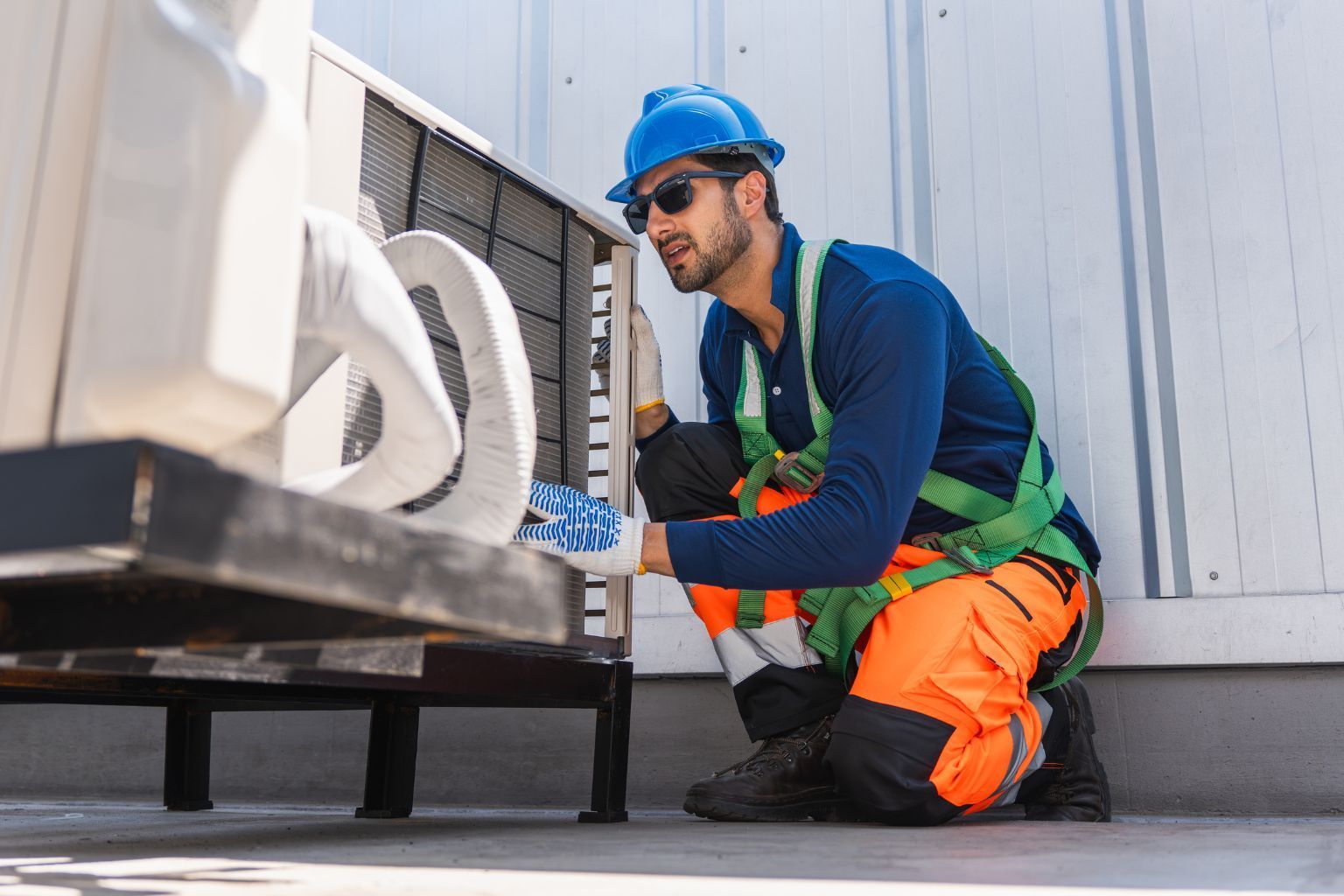
Nobody looking. Most roof problems are visible a year or more before they become leaks — to someone who actually gets on the roof. The roof that gets inspected twice a year almost never surprises its owner.
The five habits that add years to a commercial roof
1. Inspect twice a year — spring and fall, plus after storms
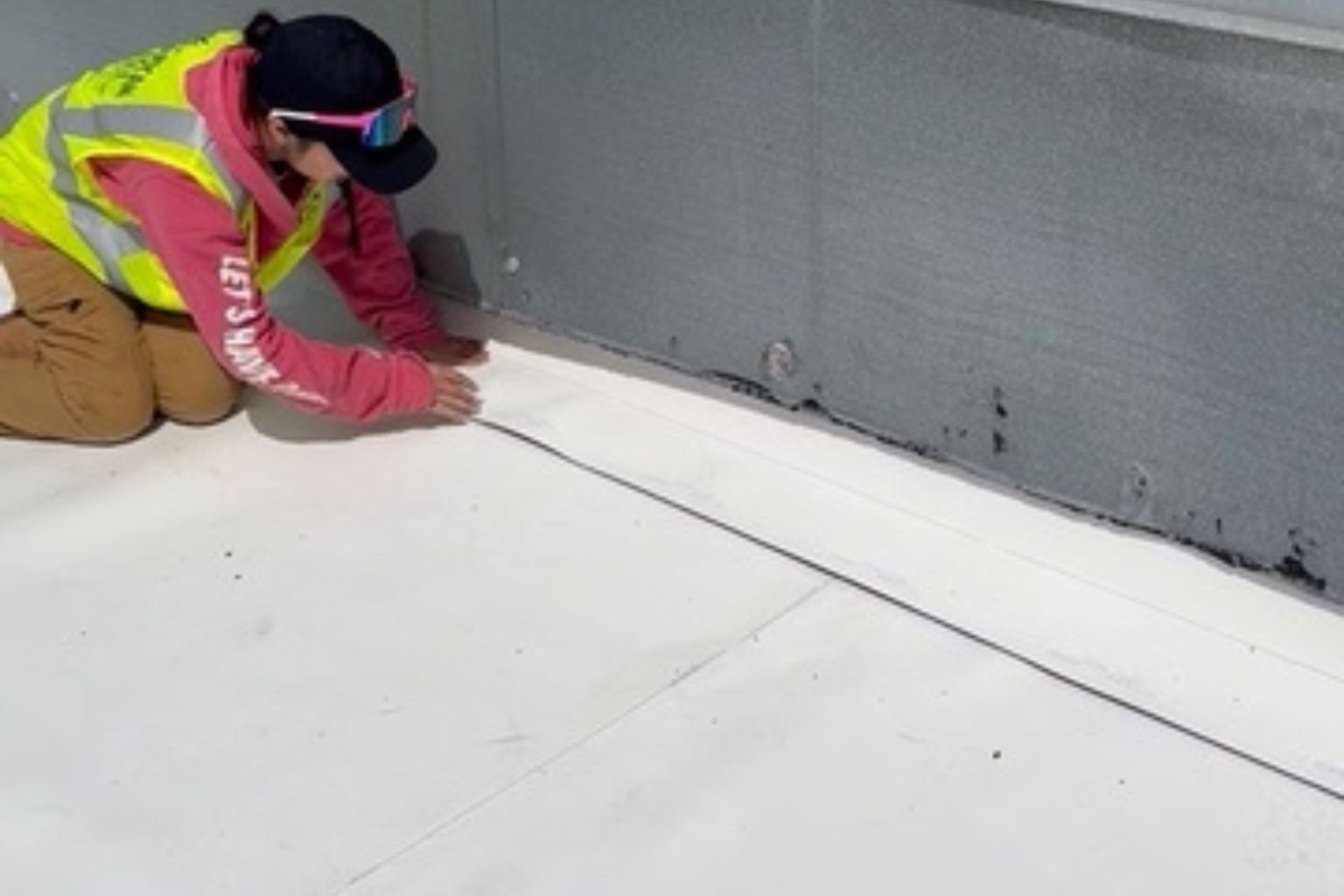
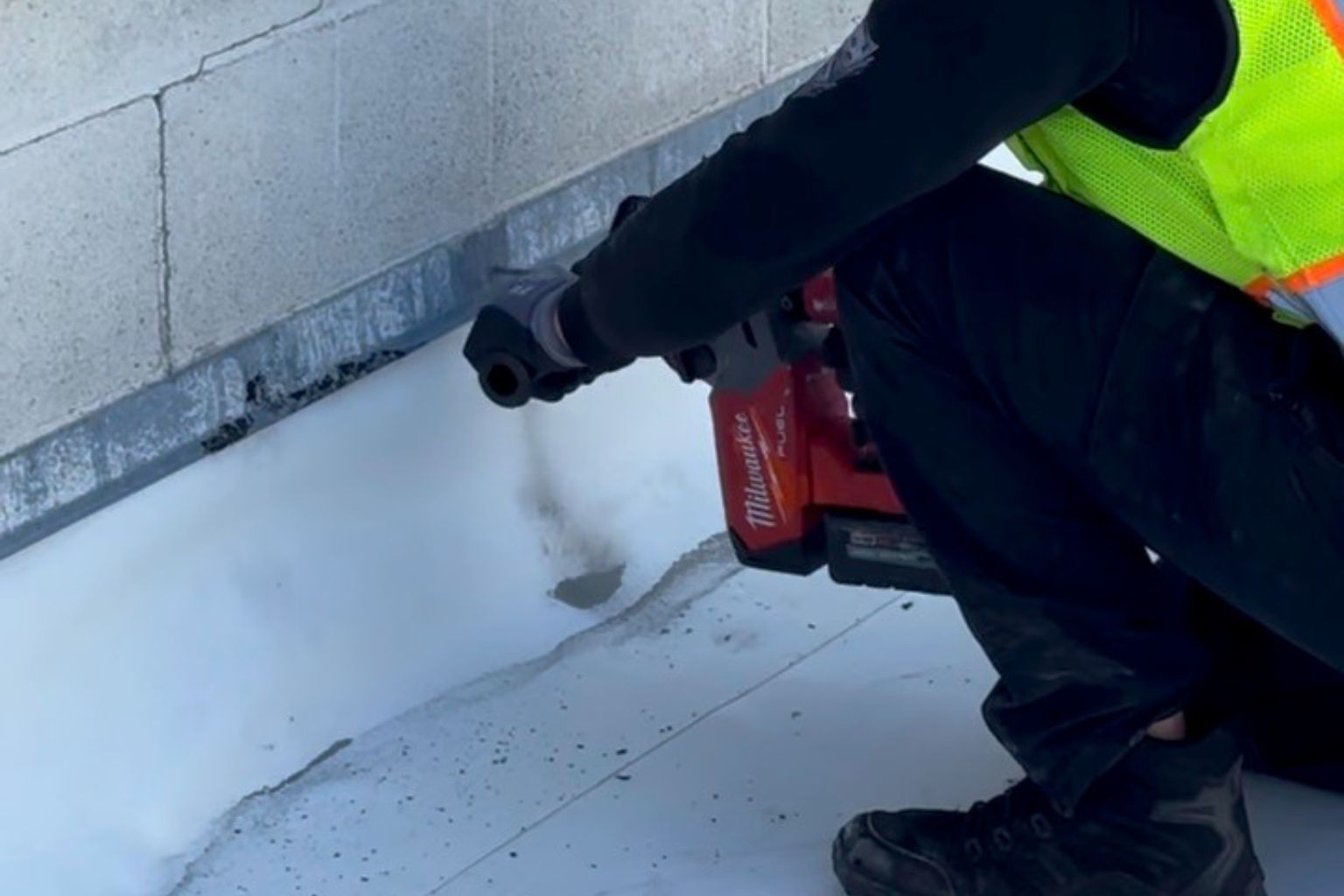
Every year of extended roof life starts with knowing what's up there. Spring catches what winter did; fall catches what needs fixing before snow. Our commercial roof inspection guide for facility managers covers exactly what to look for — or we'll do it for you. Inspections are free.
2. Fix small problems the season you find them
The economics are lopsided: seam repairs, boot replacements, and sealant work are minor line items. The same defects, aged 18 months, cost many times more — and saturated insulation can't be repaired at all, only replaced. A good leak prevention plan is mostly just refusing to defer small problems.
3. Keep water moving off the roof
Clean drains, scuppers, and gutters every spring and fall — clogged drainage is free roof damage. If the same area ponds every year, that's not a cleaning issue; it's a slope or structure issue, and fixing it once beats re-repairing the same spot forever.
4. Recoat before failure, not after
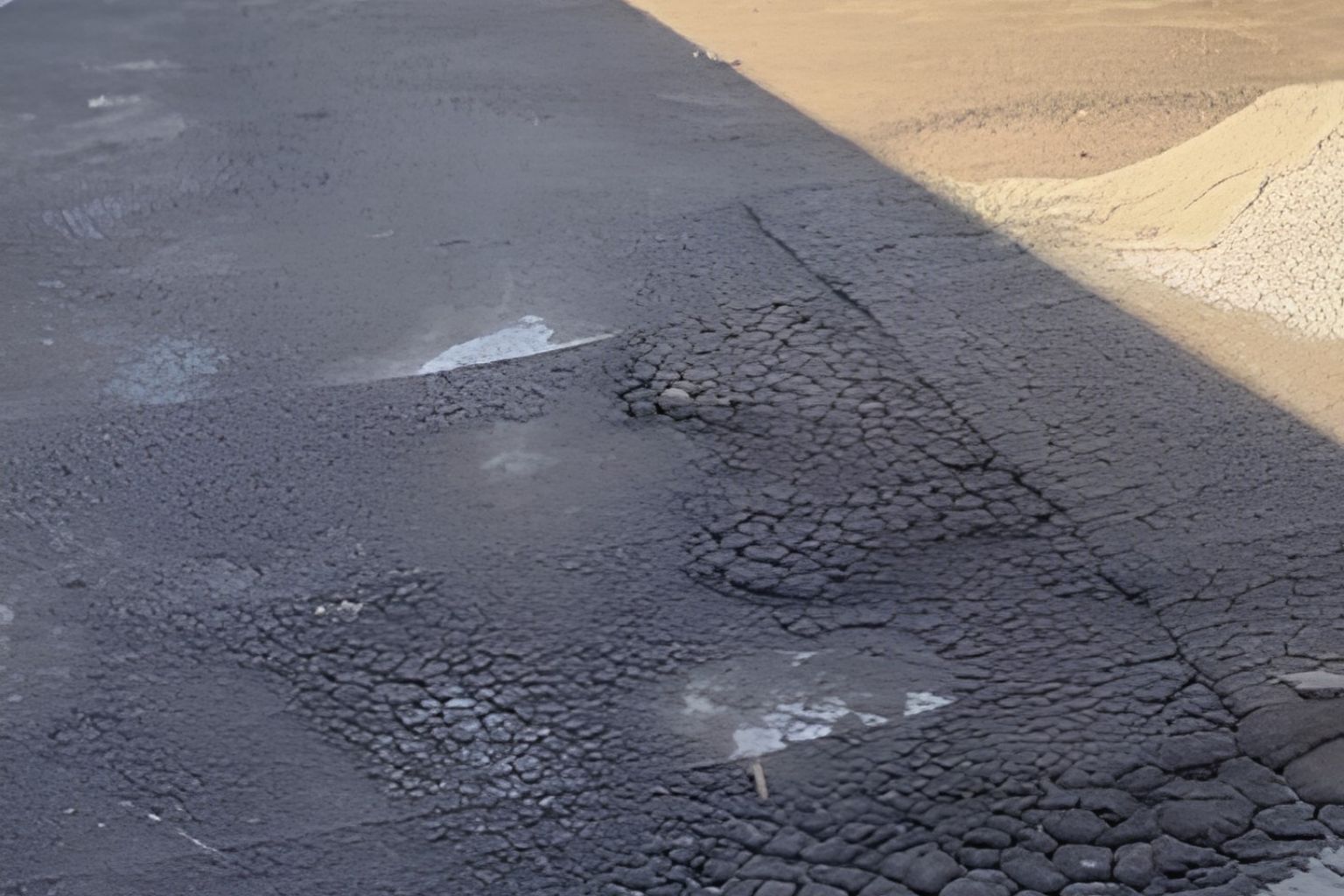
This is the biggest lever on the list, and the most mistimed. A roof coating is sacrificial by design — it takes the UV and weather so the roof underneath doesn't. Renewed on schedule (typically every 10–15 years depending on the system), a coated roof can effectively stop aging. Miss the window, and you're no longer recoating — you're doing full restoration or replacement. Know what a failing roof coating looks like and act on the early signs, not the late ones.
5. Document everything
Every inspection, repair, and coating date goes in one file. Documentation catches slow-developing problems, backs up warranty claims, and — if you ever sell the building — a documented roof history is worth real money at the closing table. A structured maintenance program makes this automatic instead of aspirational.
Coatings: the single biggest life-extension tool
Most of the roofs we work on can be restored rather than replaced, and coatings are usually how. The short version:
On metal roofs: rust gets converted, seams and fastener rows get sealed, and the whole surface gets a weatherproof membrane — typically for roughly a third of replacement cost, adding 10–20 years. Our metal roof coating systems handle everything from surface rust to fastener-row failure.
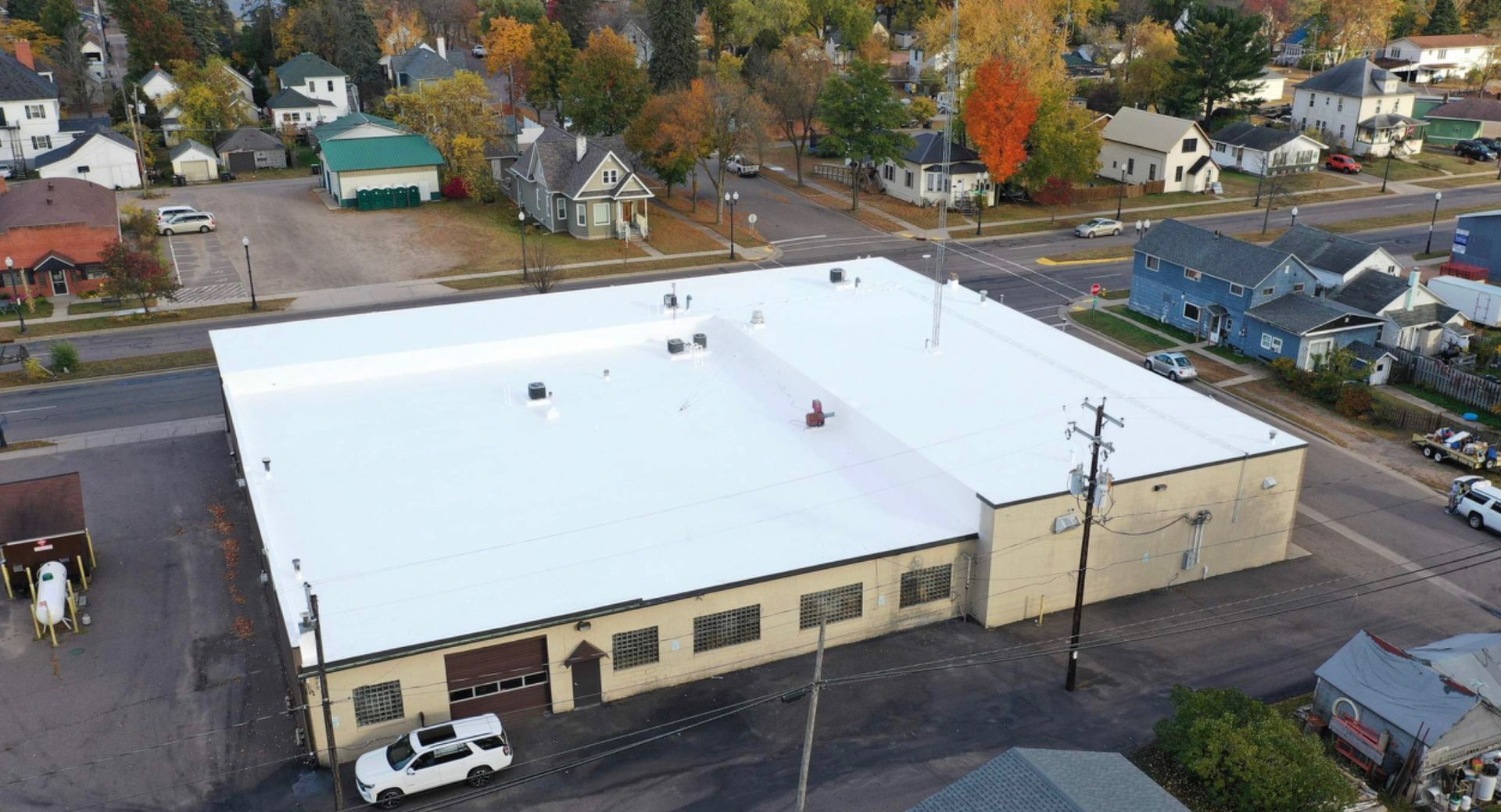
On flat and low-slope roofs: membrane roof coatings renew aging EPDM, TPO, and built-up roofs without a tear-off — no landfill, no business interruption, and a reflective surface that cuts summer cooling loads.
When coatings are the wrong call: saturated insulation, structural deck damage, or a membrane past the point of adhesion. A coating over a wet roof is an expensive way to trap a problem. This is why we inspect before we quote — and why we'll show you photos either way. If you're weighing the decision, our guide to restoration versus replacement walks through the math.
How long should your roof last anyway?
That depends entirely on the system — a screw-down metal roof, a TPO membrane, and a coated roof age on different clocks, and the maintenance that matters most differs by system. See the full breakdown of how long each commercial roof system lasts. The one-line version: almost every system's real-world lifespan has more to do with the owner than the material.
The honest math
A structured maintenance program on a typical commercial roof costs a small fraction per square foot of what replacement does. A mid-size commercial roof is easily a six-figure project to replace once tear-off, disposal, and business disruption are counted.
If maintenance and a mid-life recoat push replacement out ten years, you haven't just deferred a cost — you've moved it far enough out that today's dollars barely feel it. That's the entire case, and it's why building owners who run the numbers almost never go back to run-to-failure.
The catch: the math only works if you start before the roof crosses the line. A roof that's already saturated can't be saved by a maintenance plan. Which is why the first step is always the same —
Find out where your roof actually stands
A free inspection tells you which side of the line you're on: what's fine, what needs a small fix this season, and whether a coating still makes sense. Photos of everything, a written summary, and a straight answer — including "your roof's in good shape, see you in the fall" when that's the truth.
Schedule your free roof inspection or call (715) 607-4276. Crews based in Clear Lake, WI and Motley, MN.
Commercial roof life extension FAQs
Can you really extend a commercial roof's life by 10+ years?
Yes — if the structure and insulation are sound. Coating systems routinely add 10–20 years to metal and membrane roofs, and a real maintenance program keeps small problems from compounding. What we can't do is resurrect a roof that's been wet for five years.
Can roof coatings extend the life of my commercial roof?
Usually, yes — it's the single most cost-effective life-extension step for structurally sound roofs. The exceptions are wet insulation and deteriorated decking, which is exactly what the inspection rules out.
How much does roof life extension cost compared to replacement?
Coating restoration typically runs about a third of replacement cost. Ongoing maintenance is a small fraction of that. Replacement is the most expensive option on the table — plus the disruption to your operation while it happens.
How often should I have my commercial roof inspected?
Twice a year — spring and fall — plus after any major storm. In our climate, skipping the spring inspection means winter damage gets a full year to grow.
When is replacement the right call instead?
Widespread saturated insulation, structural deck problems, or a membrane too far gone to hold a coating. When that's the case, we'll show you the photos that prove it — extending a dead roof wastes your money and our reputation.