How Long Does a Commercial Roof Last? Lifespan by System
Ask a manufacturer how long a commercial roof lasts and you'll get the rated number. Ask a roofer who walks these roofs every week and you'll get a different answer — because the number on the spec sheet assumes maintenance that most roofs never receive, and it definitely doesn't assume a Wisconsin or Minnesota winter.
Here's the honest version, system by system, including the two numbers nobody prints: what these roofs last when they're neglected, and what they last when they're maintained. The gap between those two numbers is the whole argument for commercial roof life extension.
Commercial roof lifespan by system
Screw-down metal roofs — rated 30–40 years. Neglected, they start failing at fastener rows in 15–20: washers crack, panels loosen, rust takes over. Maintained — fasteners checked, rust treated early, coated on schedule — 40+ years is realistic. Metal is the most maintenance-responsive system on this list, which is why it dominates on ag and industrial buildings across our region.
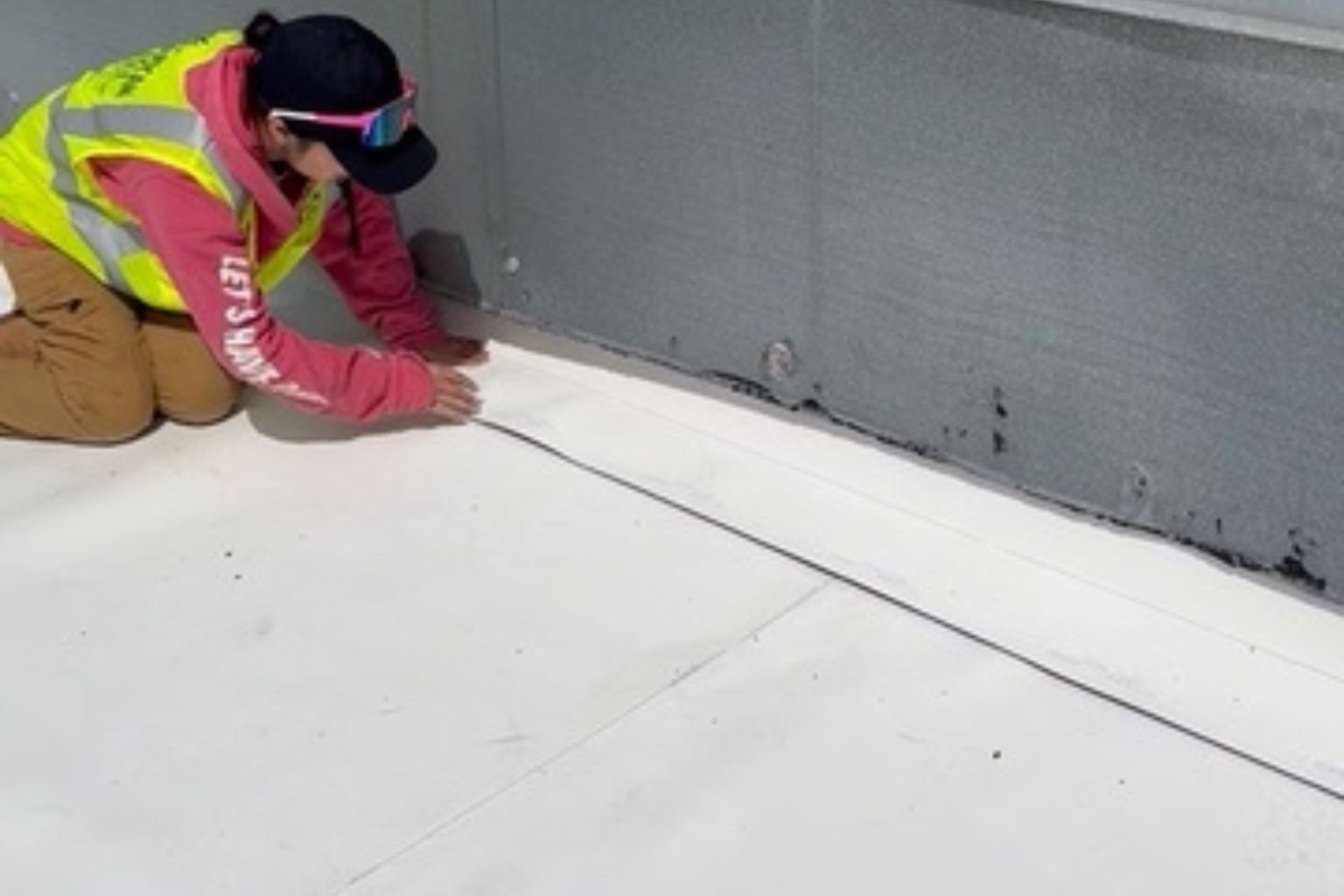
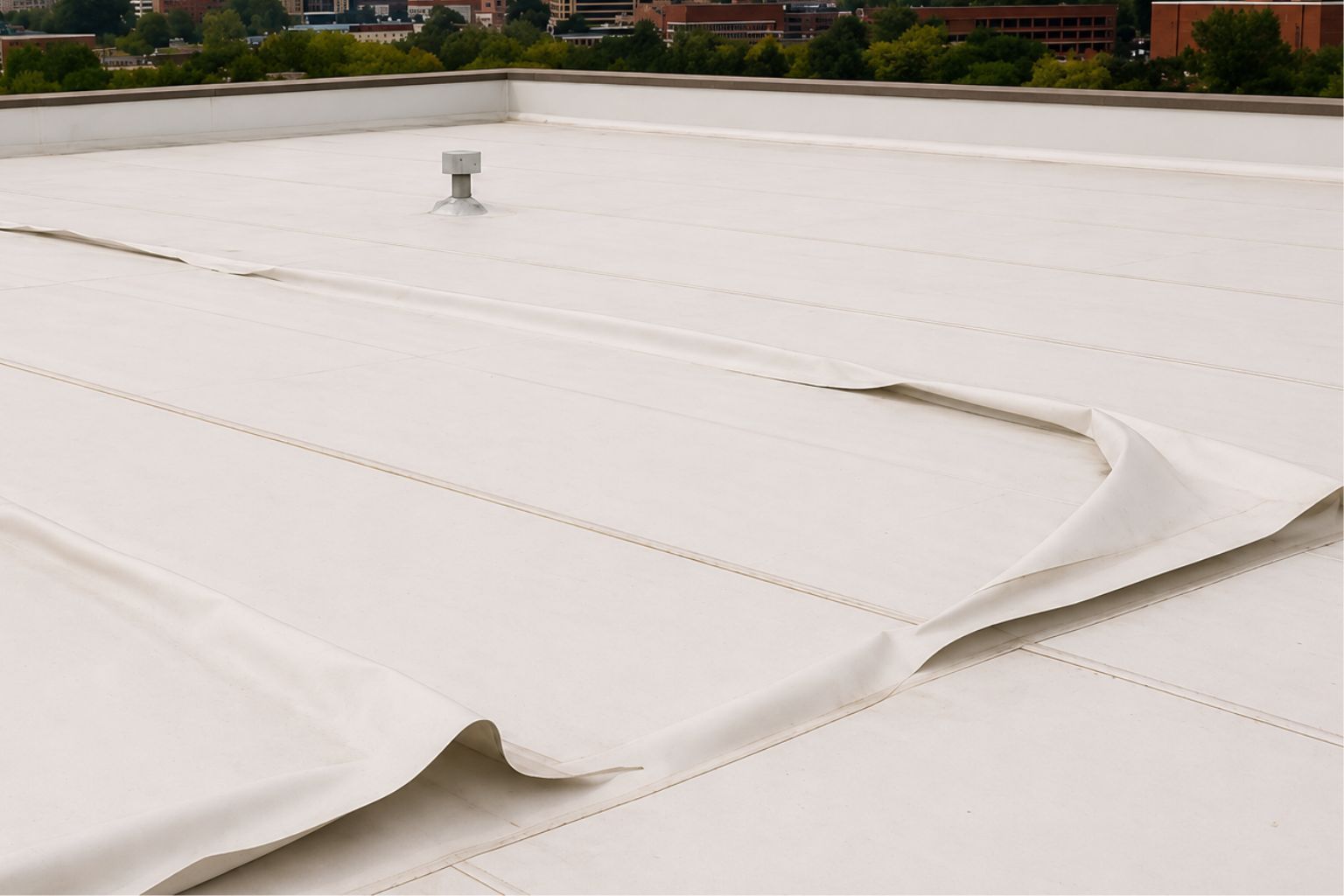
TPO — rated 20–30 years. Real-world in our climate: seams are the story. Well-installed and inspected twice a year, TPO delivers its rating. Ignored, seam failures start in the teens, and every open seam feeds insulation damage that shortens the whole roof's life.
EPDM (rubber) — rated 25–30 years. EPDM ages by drying: it chalks, shrinks, and pulls at the seams and flashings. Shrinkage in the teens is common on unmaintained roofs. Kept sealed at the details — and recoated when the surface starts chalking hard — EPDM regularly hits 30.
PVC — rated 20–30 years. Strong seam performance (heat-welded) and good chemical resistance. Its weakness in the Upper Midwest is brittleness with age and impact damage in hail country. Maintained, mid-to-high 20s is a fair expectation.
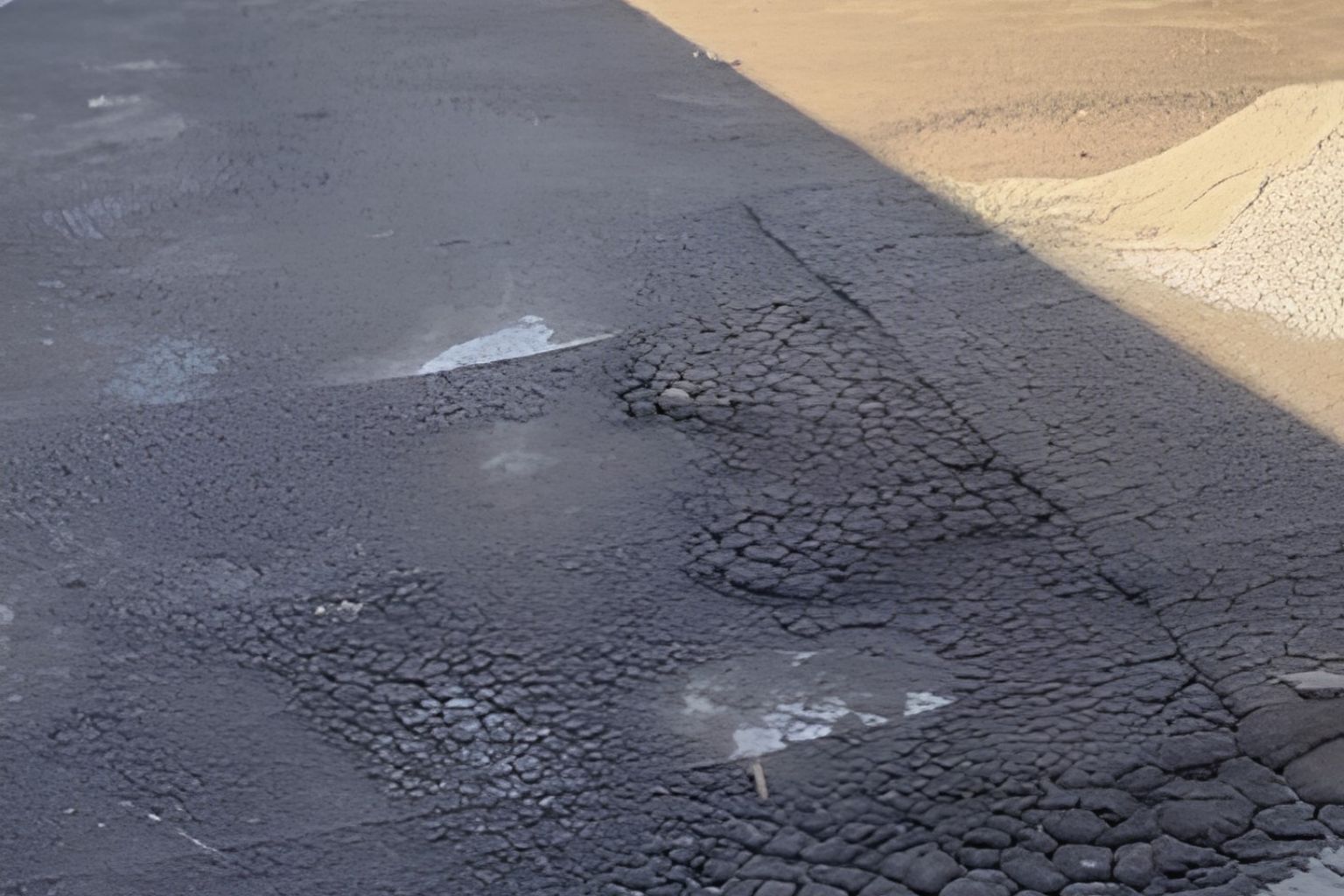
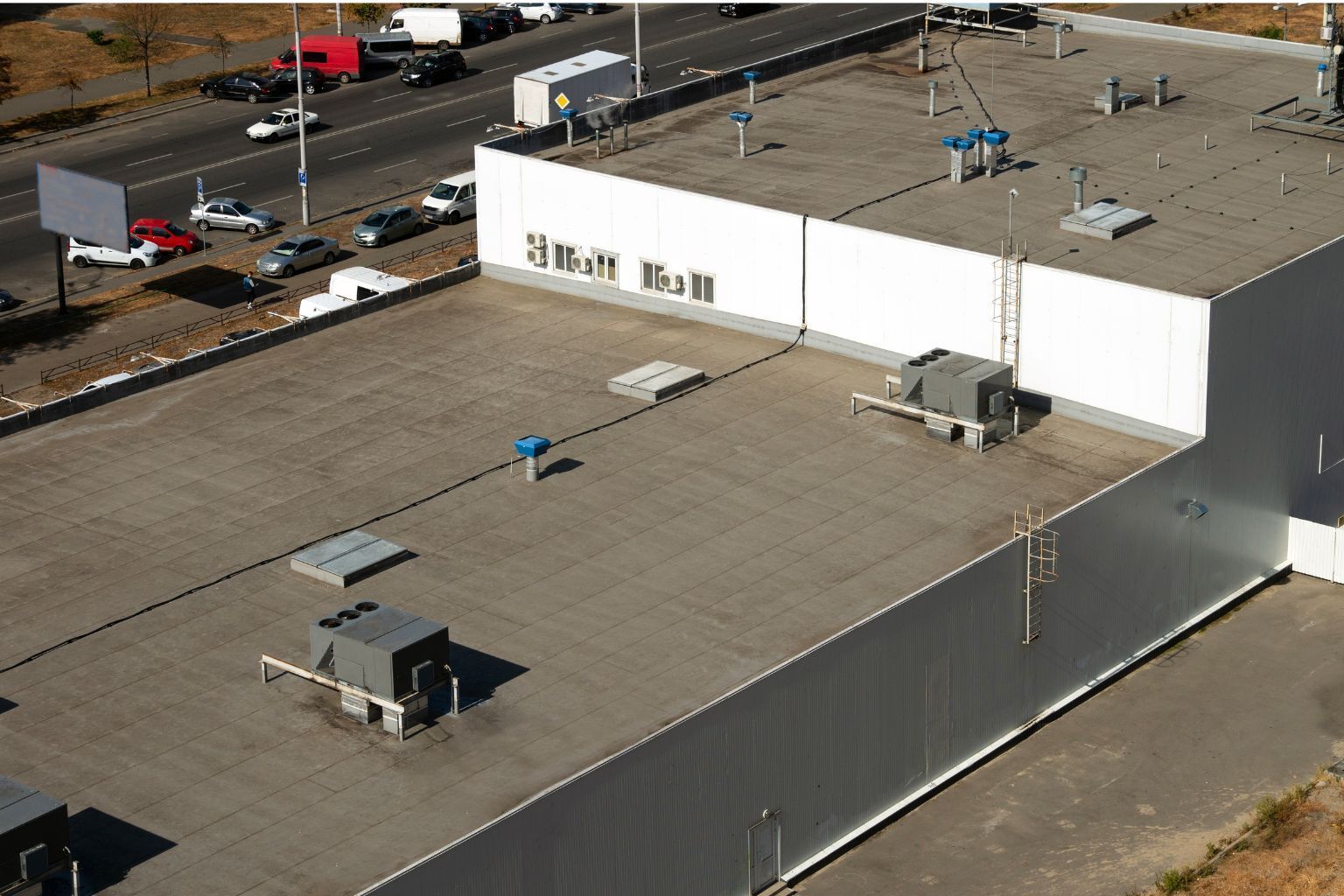
Built-up (BUR) — rated 20–30 years. Old-school and durable, but once cracking, blistering, and exposed felts appear, decline is fast. Many BUR roofs in our region are already past rated life — and many are still restorable with the right coating system rather than a tear-off.
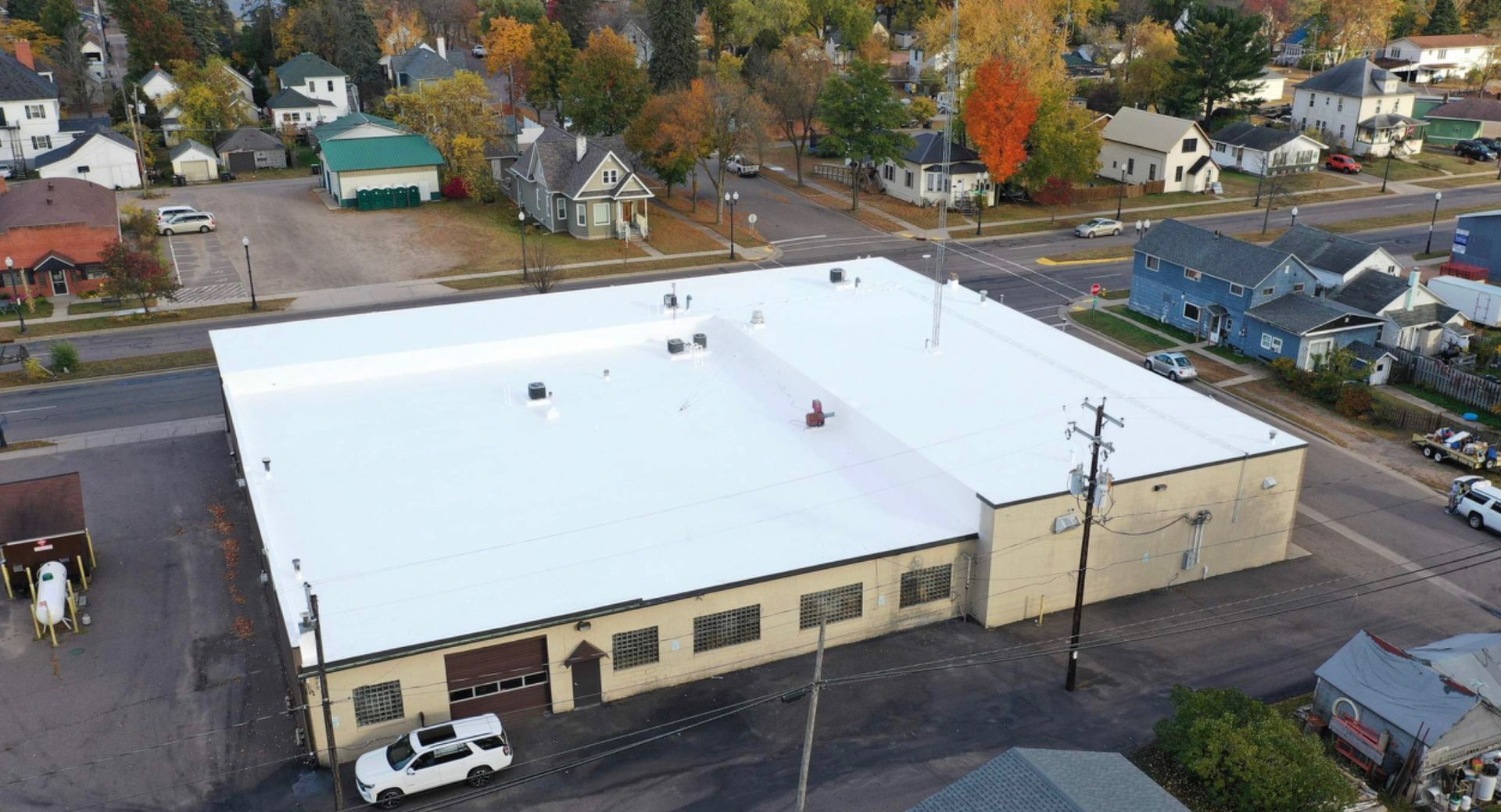
Coated/restored roofs — add 10–20 years per cycle. This is the system most owners forget is a system. A coating restoration on a structurally sound roof resets the aging clock, and it can be renewed. Roofs on their second or third coating cycle are effectively no longer aging on the original schedule at all.
For flat roofs specifically — including the factors that swing flat-roof lifespan hardest — see our dedicated guide to how long a flat roof lasts.
The Upper Midwest discount
Take every rated number above and mentally subtract for our climate — unless the maintenance keeps pace. Wisconsin and Minnesota roofs endure temperature swings from 30 below to 90 above, dozens of freeze-thaw cycles per year, months of continuous snow load, and ice at every drain and eave. Freeze-thaw is the great accelerator: it turns hairline defects into open failures in a single season. The same roof that cruises to its rated life in Tennessee needs active maintenance to get there here.
The maintenance multiplier
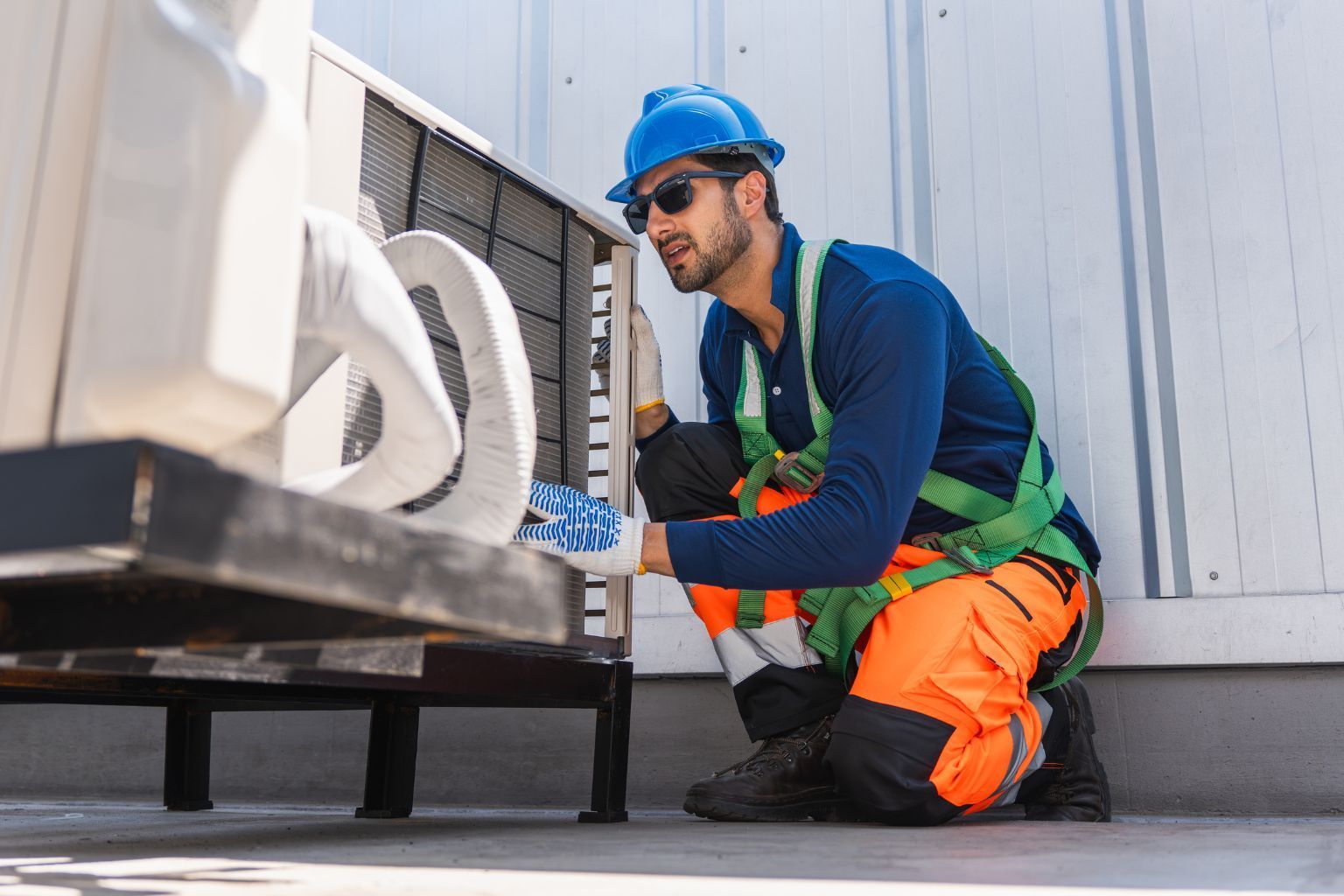
Across every system, the pattern is the same: the difference between the neglected number and the maintained number is 30 to 50 percent of the roof's life. That's not a material property — it's an owner behavior. Twice-yearly inspections, immediate small repairs, working drainage, and on-schedule recoats are what move a roof from the low number to the high one. If your roof is showing its age, the question isn't "how old is it" — it's "is the structure still sound." Our guide to the signs a roof coating is failing covers the surface-level warnings, and our TPO vs EPDM vs PVC comparison helps if you're weighing membrane options for a replacement.
Where is your roof on its clock?
A free inspection answers the only question that matters: how many years does this roof realistically have left, and what would it take to add more? Photos, a written condition summary, and a straight answer — repair, restore, or replace.
Schedule your free roof inspection or call (715) 607-4276. Serving Wisconsin and Minnesota from Clear Lake, WI and Motley, MN.