Commercial Roof Coating Cost: What Impacts Price (and What’s Worth Paying For)
Mose Borntreger • March 24, 2026
A simple breakdown of the real cost drivers—prep, repairs, seams, access, and roof condition.
If you’re researching commercial roof coating cost, you’re probably trying to answer two questions:
- Is coating cheaper than replacement?
- What makes one quote way higher than another?
Here’s the honest answer: commercial roof coating cost isn’t just about square footage. The real price difference comes from prep, repairs, and detailing—the parts that determine whether the coating lasts or fails early.
This guide breaks down what actually drives cost, how to compare quotes the right way, and when replacement is the smarter move.
If you haven’t read the full overview yet, start with our guide: Commercial Roof Coating: Restore vs Replace, Cost, Lifespan, and Best Uses (Commercial Guide)
First: what “commercial roof coating” pricing really includes
A real commercial coating project is not “paint.” A professional scope usually includes:
- roof inspection and evaluation
- cleaning and surface preparation
- targeted repairs (seams, penetrations, flashing, fasteners)
- reinforcement at chronic failure points
- coating application to a specified thickness
- final walkthrough and maintenance guidance
If a quote skips prep and repairs, it might look cheaper—but it’s rarely cheaper long-term.
The 10 biggest factors that affect commercial roof coating cost
1) Roof size (obvious—but not everything)
Bigger roofs usually lower cost per square foot, but only when the roof is relatively simple.
2) Roof complexity (this is the hidden driver)
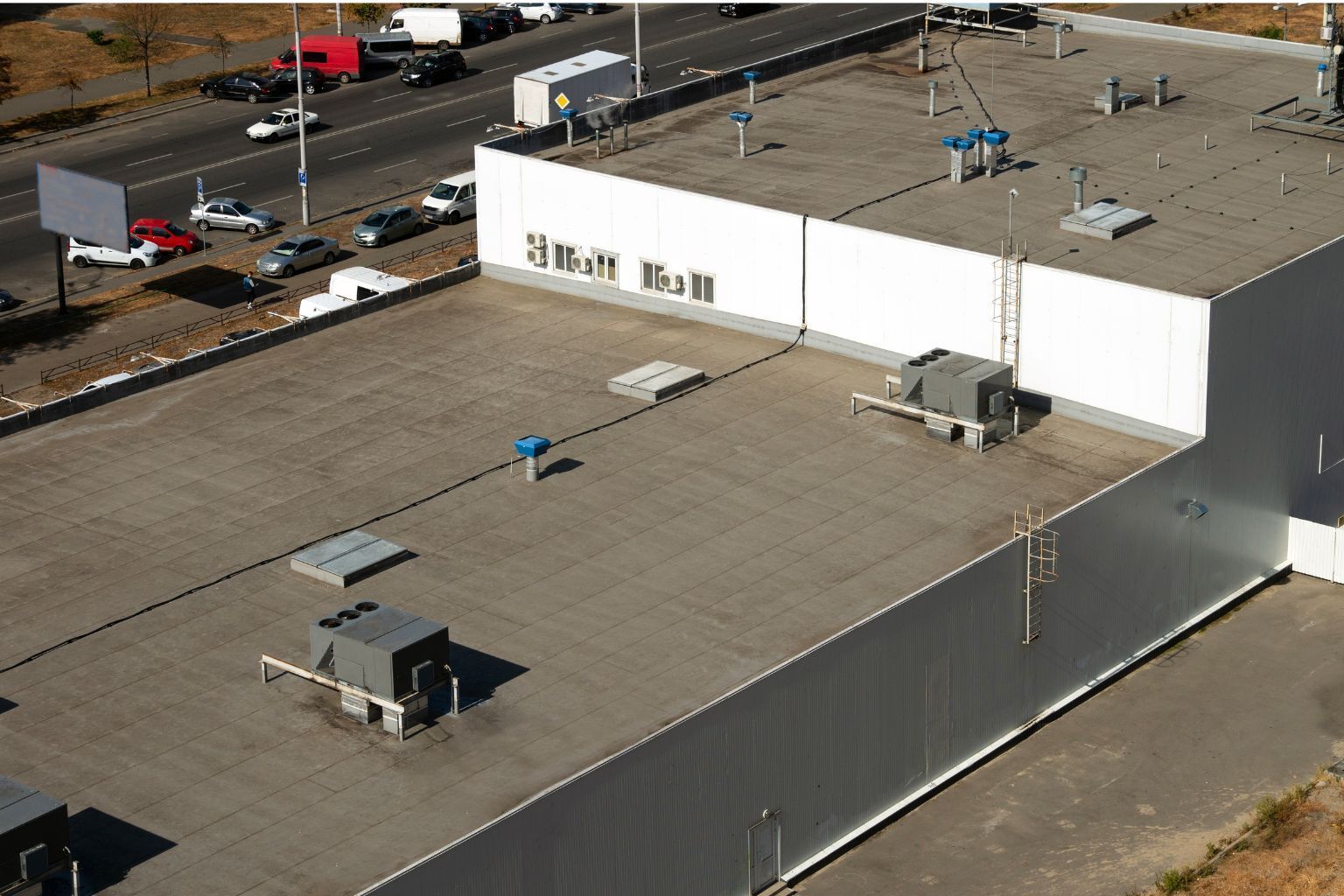
A “simple” warehouse roof is not the same as a roof with:
- lots of HVAC units and curbs
- skylights
- vents, pipes, conduits
- parapet walls and transitions
More details = more labor = higher cost.
3) Roof condition and repair scope
Coating is only as good as what’s underneath it.
If the roof has:
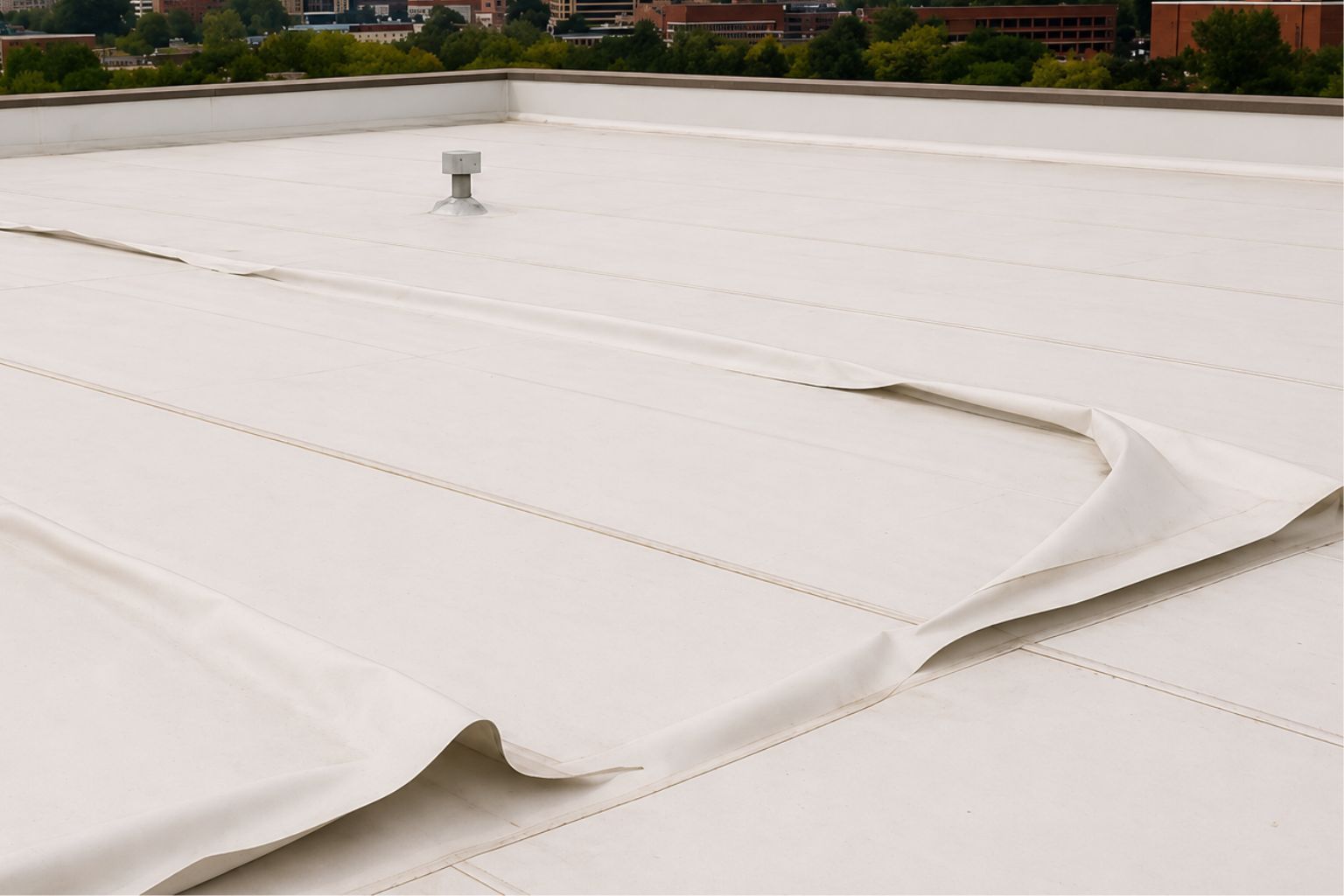
- failing seams
- separated laps
- damaged flashing
- rusted metal areas
- old patch stacking
…those repairs have to be addressed correctly before coating.
4) Seams and penetrations (where time goes)
Most leaks start at seams and penetrations, and those are the most labor-intensive parts of the job.
5) Drainage and ponding water
Standing water often signals:
- clogged drains/scuppers
- low spots
- slope issues
- saturated areas (sometimes)
Coating doesn’t “fix drainage.” If drainage needs correction, that can increase scope and cost—but it also prevents future failure.
6) Existing coating layers (good or bad?)
If the roof has old coatings, the contractor may need to:
- test adhesion
- remove loose/failed areas
- do additional prep
- This affects labor and material selection.
7) Substrate type (metal vs membrane vs other)
Cost varies based on what’s being coated:
- Metal roof coating often focuses on fasteners/seams and surface prep
- Flat/membrane coating often focuses on seams, details, and field condition
8) Coating system type and thickness/spec
Different systems and thickness requirements change both labor and materials. (This is why “price per square foot” alone can be misleading.)
9) Access, staging, and safety requirements
Occupied buildings, height, lift needs, fall protection, and staging can all affect price.
10) Warranty/maintenance expectations
Longer-term performance usually requires:
- better prep
- better detailing
- the right spec
- ongoing inspections
This doesn’t mean “most expensive = best,” but it does mean cheap shortcuts show up later.
The right way to compare commercial roof coating quotes
When you get multiple quotes, don’t just compare totals. Compare the scope in these areas:
A) Prep
- How are they cleaning and prepping the roof surface?
- Are they addressing rust or adhesion issues properly?
B) Repairs
- What seams are being reinforced?
- What penetrations and transitions are included?
C) Thickness/spec
- Is the coating being applied to a defined spec?
- Are they clear about what they’re installing?
D) Problem areas
- Are they addressing ponding zones and low areas?
- Do they identify failure points or just “coat everything”?
If one quote is dramatically lower, it often means less prep, fewer repairs, or weaker detailing.
Coating vs replacement: what’s the “cost per year” view?
A helpful way to think about it is:
- Coating can be a strong investment if it extends roof life and reduces leak risk without tear-off disruption, when the roof qualifies.
- Replacement is smarter when the roof system is failing broadly or moisture/structural issues rule out restoration.
Want the full decision framework? See our guide: Commercial Roof Coating: Restore vs Replace, Cost, Lifespan, and Best Uses (Commercial Guide)
When commercial roof coating is NOT worth it (cost red flags)
Coating may not be a good investment when:
- wet insulation is widespread
- the deck has structural issues
- failures are systemic across large sections
- you’ve got severe deterioration everywhere
In these cases, coating becomes a short delay—and replacement planning is often more cost-effective.
How to get an accurate coating cost for your building
The fastest way to get a real number is to start with a roof inspection that confirms:
- roof type and condition
- where leaks are coming from
- moisture concerns
- what repairs/prep are required
- whether coating/restoration is a smart option
FAQ
Is commercial roof coating cheaper than replacement?
Often, yes upfront—when the roof qualifies. The best comparison is cost-per-year plus disruption and risk.
Why do coating quotes vary so much?
Prep and repairs. Seams, penetrations, drainage issues, and roof condition can dramatically change labor and scope.
What’s the biggest mistake when choosing a coating contractor?
Choosing based on lowest price without confirming prep, repair scope, and a clear installation spec.
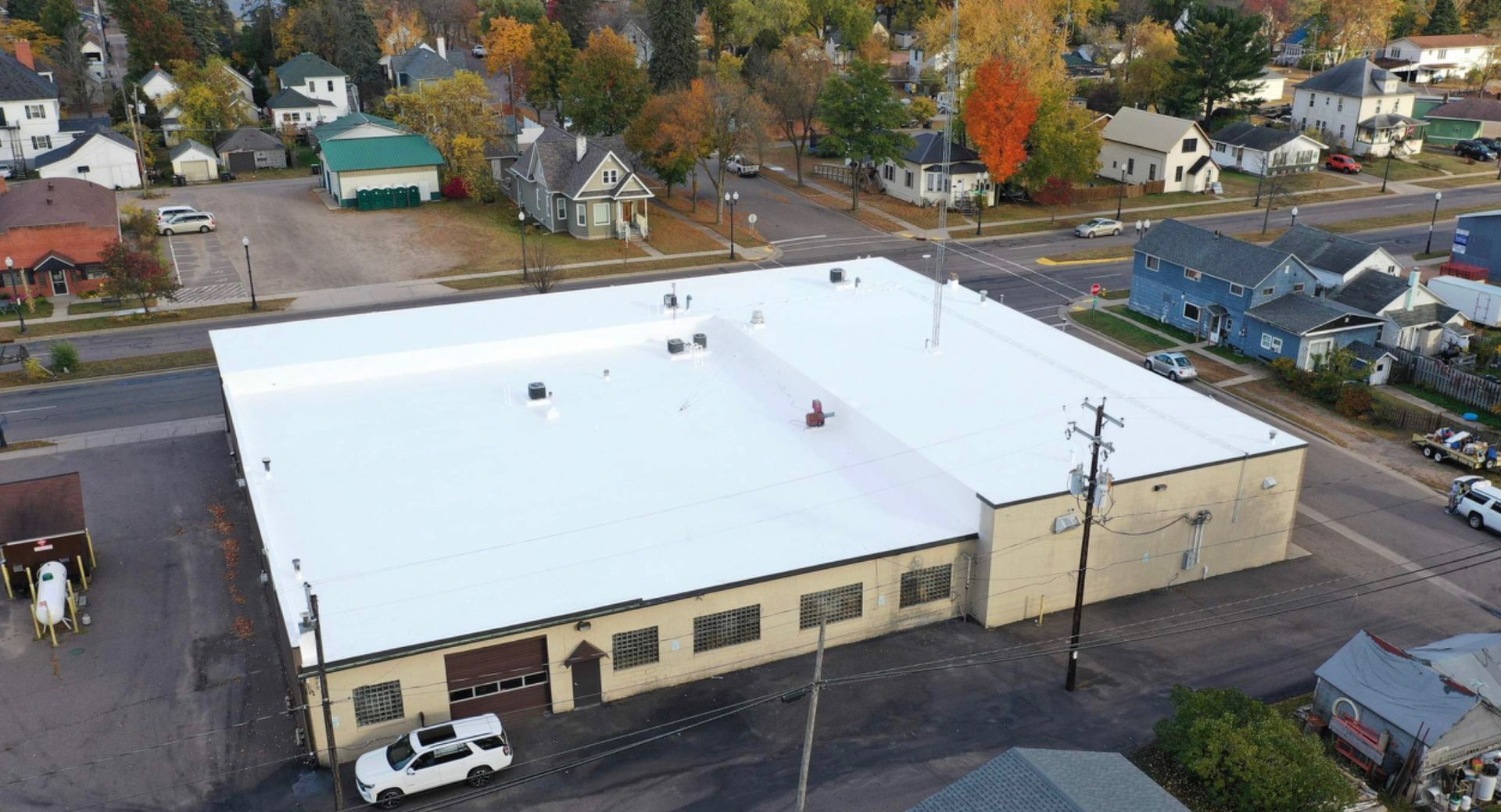
How Wisconsin freeze-thaw cycles crack membranes, split seams, and cause spring leaks on commercial roofs - and the fall prep that stops it. Free inspection.
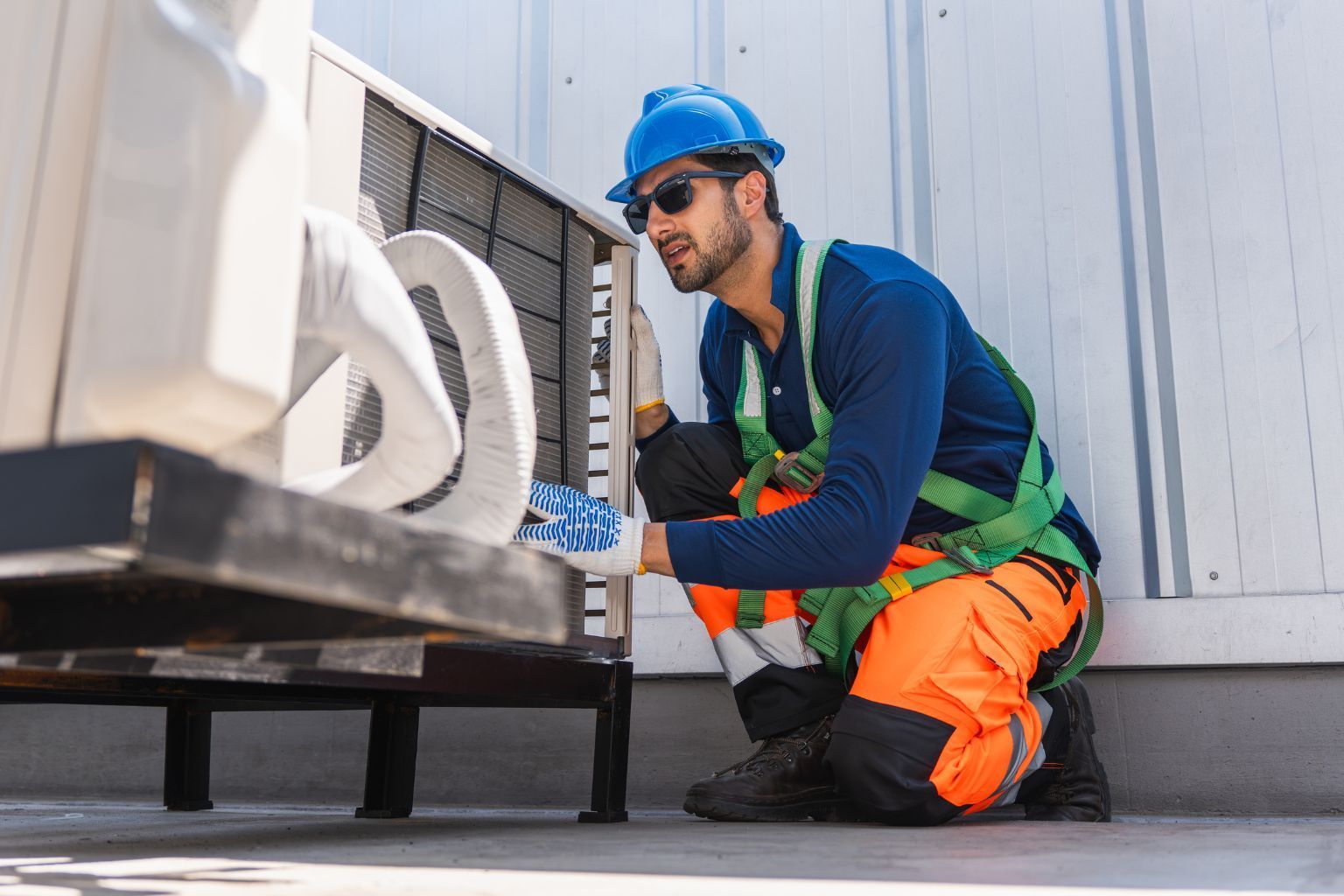
What a structured commercial roof maintenance program includes, the annual schedule that works in WI/MN, and the budget math that makes it pay for itself.
Real-world lifespans for metal, TPO, EPDM, PVC, and coated commercial roofs in the Upper Midwest - and what actually determines which number you get.
Most commercial roof leaks are preventable. The 6 places leaks start, the seasonal schedule that stops them, and what prevention costs vs one interior leak.
Chalking, cracking, rust bleed-through, peeling - what each roof coating failure sign means, which are urgent, and when recoating still saves the roof.
Most commercial roofs are replaced years early. How inspections, repairs, and coatings add 10-20 years to your roof - and when they can't. Free inspection.
EPDM rubber roof leaking at the seams or flashing? Learn the most common EPDM repairs, how they're done right, and when to restore instead. Commercial, WI & MN.
Hail or wind damage on your commercial roof? Learn how to spot storm damage, document it for an insurance claim, and get it repaired right. WI & MN roofers.
A commercial roof leak rarely starts where you see the stain. Learn how we trace a flat-roof leak to its real source and repair it for good. WI & MN inspections.
Commercial roof leaking right now? Here's how to protect your building, what counts as a roofing emergency, and how fast we respond across WI & MN. Call now.