Commercial Roof Leak Prevention: How to Stop Leaks Before They Start
The leak that shows up in your building next March is starting right now. Somewhere on your roof today there's a seam beginning to lift, a pipe boot starting to crack, or a drain collecting the debris that will freeze it shut in December. Leak prevention is just finding those spots before the water does.
Winter is when small problems become leaks: see how freeze-thaw cycles damage commercial roofs in Wisconsin (and how to prep).
Most commercial roof leaks are preventable — not in the marketing-slogan sense, but literally: the failure points are known, they're visible during an inspection, and fixing them early is a fraction of the cost of fixing them late. Prevention is also the foundation of any plan to get more years out of your commercial roof, because leaks are how roofs go from aging to dying.
The six places commercial roof leaks start
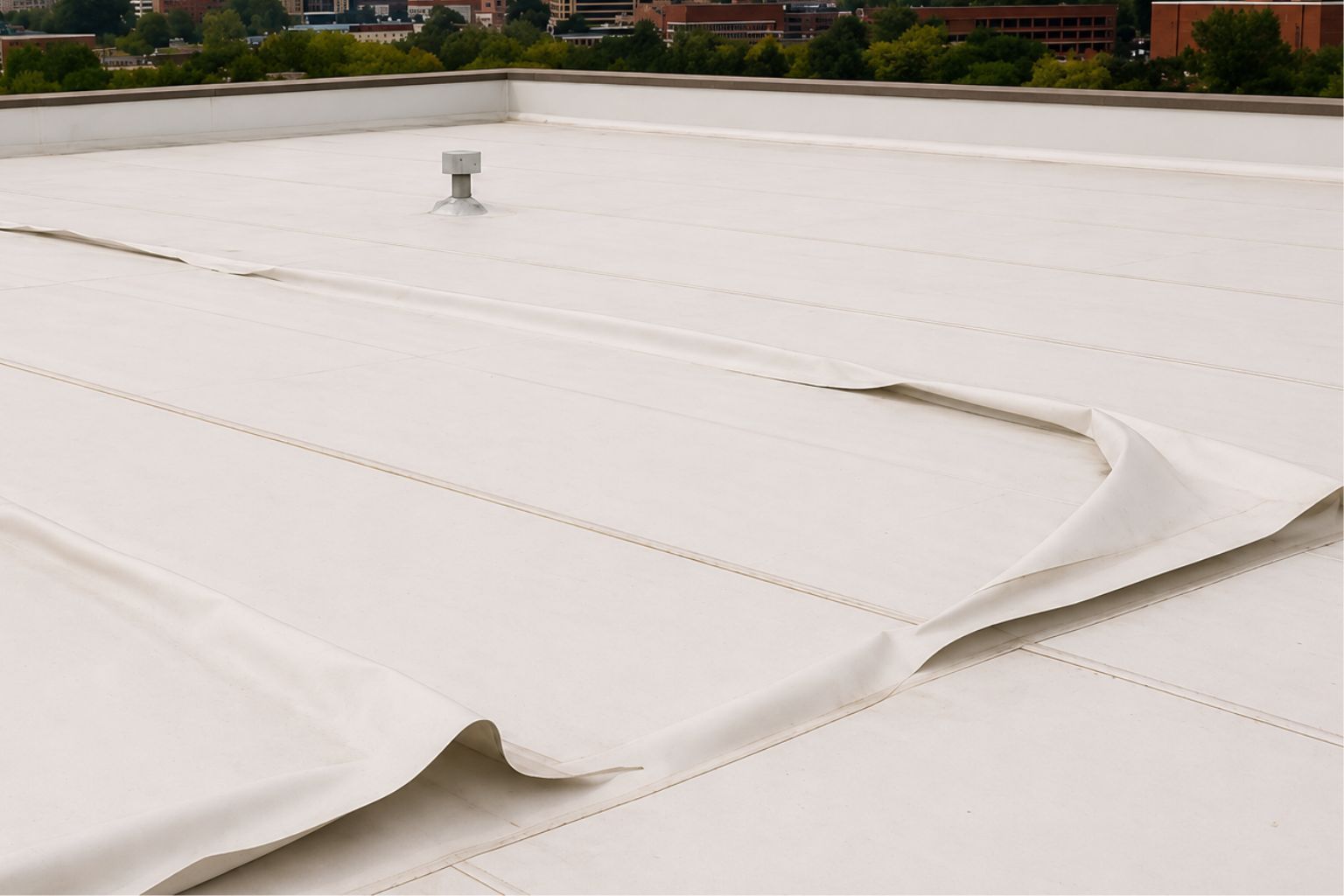
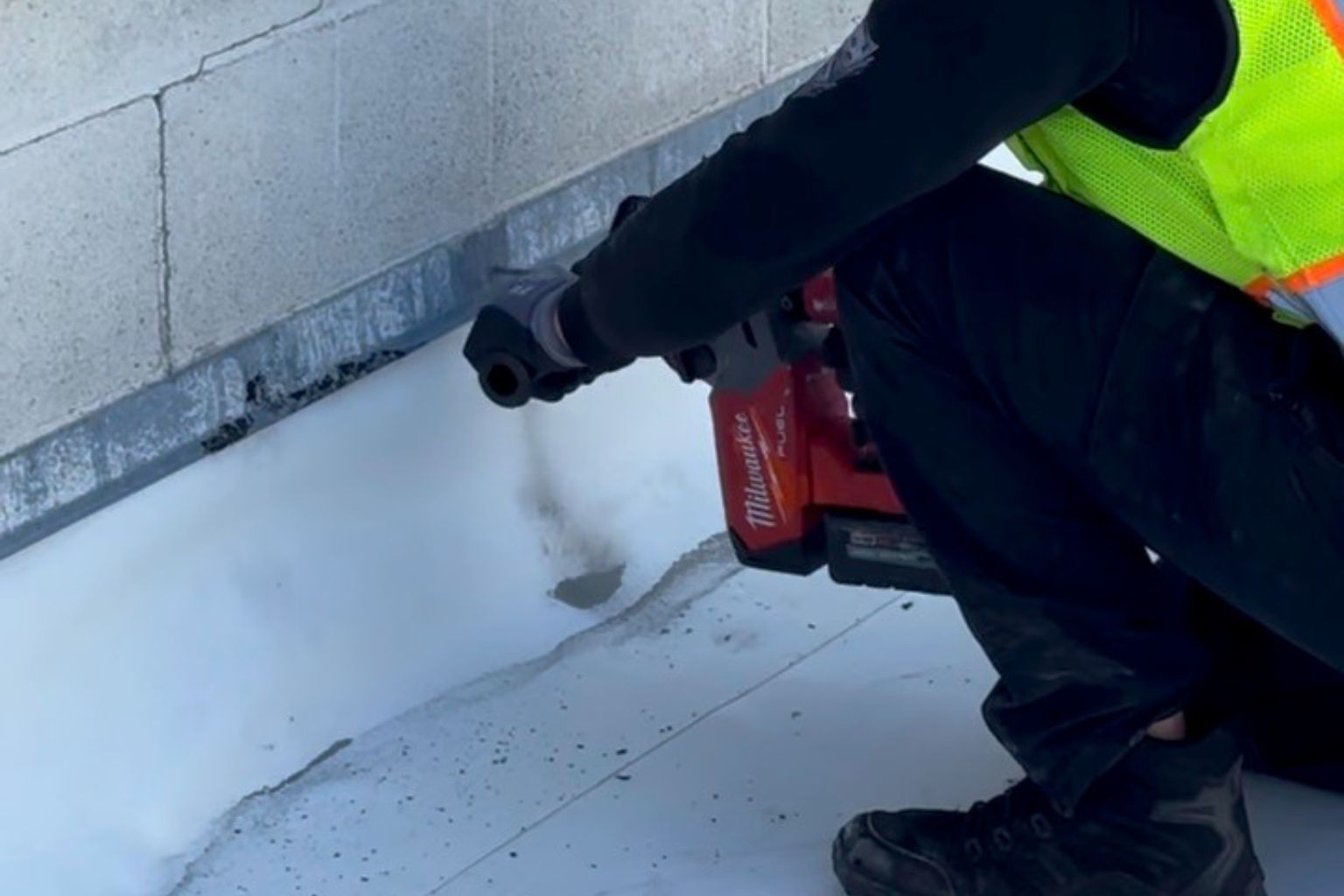
1. Seams and laps. The number-one leak source on single-ply roofs. Freeze-thaw cycling works seams open a little more every winter, and an open seam is an active leak the next time it rains. Seam checks are the core of every inspection we do.
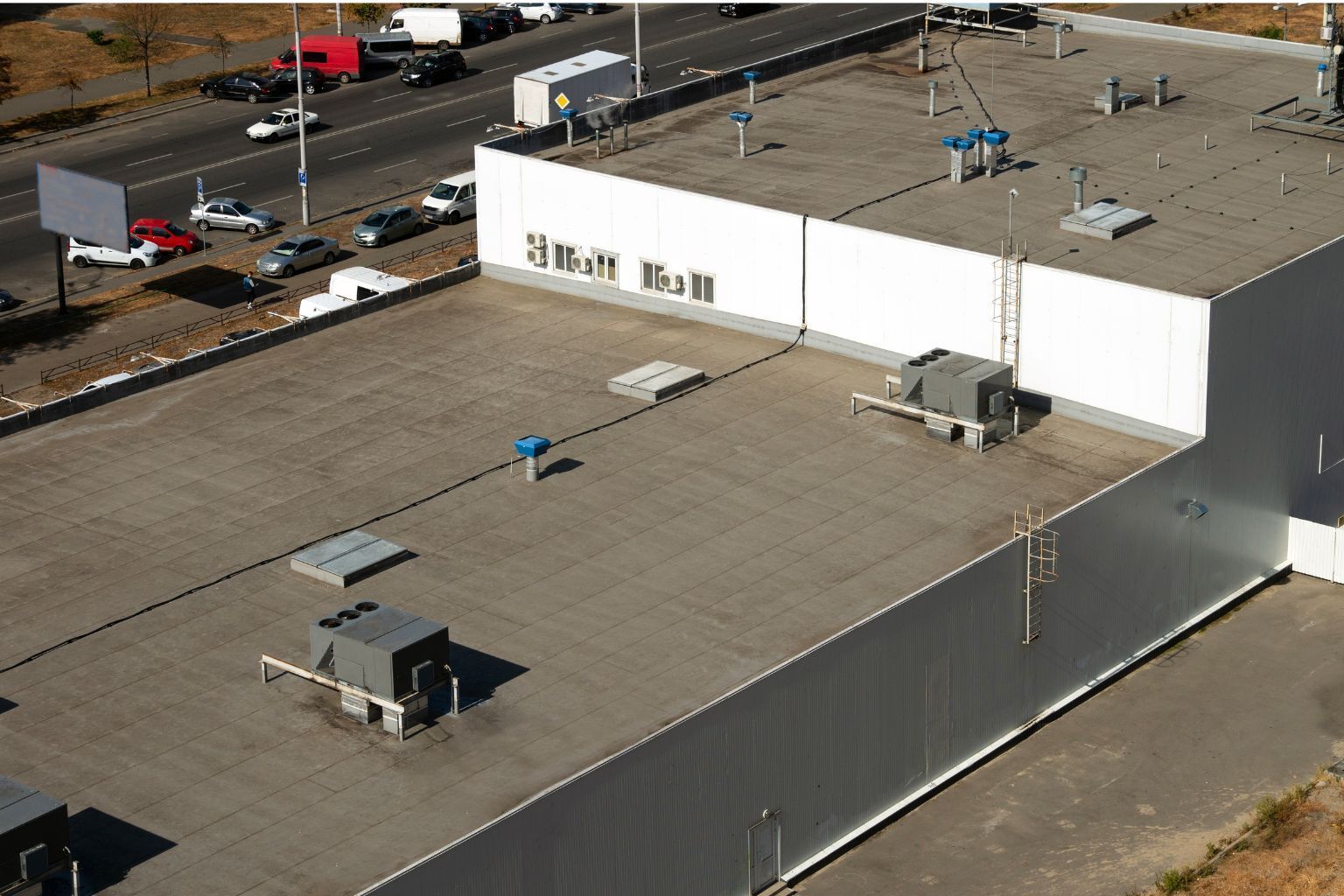
2. Penetrations. Every pipe, vent, conduit, and HVAC curb is a hole in your waterproofing held shut by flashing and sealant. Sealant dries out. Boots crack. Service techs step on things. Penetrations fail quietly and leak into the building along paths that make the source hard to trace.
3. Flashings and edge details. Flashing takes constant stress from thermal movement, and when it pulls away from a wall or curb, water enters the wall cavity — often showing up as a stain twenty feet from the actual entry point.
4. Drains, scuppers, and gutters. A clogged drain doesn't leak — it builds a pond, and the pond finds every weakness within its footprint. In our region, fall debris plus early freeze is the classic setup: the drain clogs in October, freezes solid in December, and the meltwater in March has nowhere to go but down through the roof.
5. Fastener rows on metal roofs. Fasteners back out through thermal cycling, washers crack with age, and every loose fastener is a future drip. Rust streaks along the rows are the visible warning.
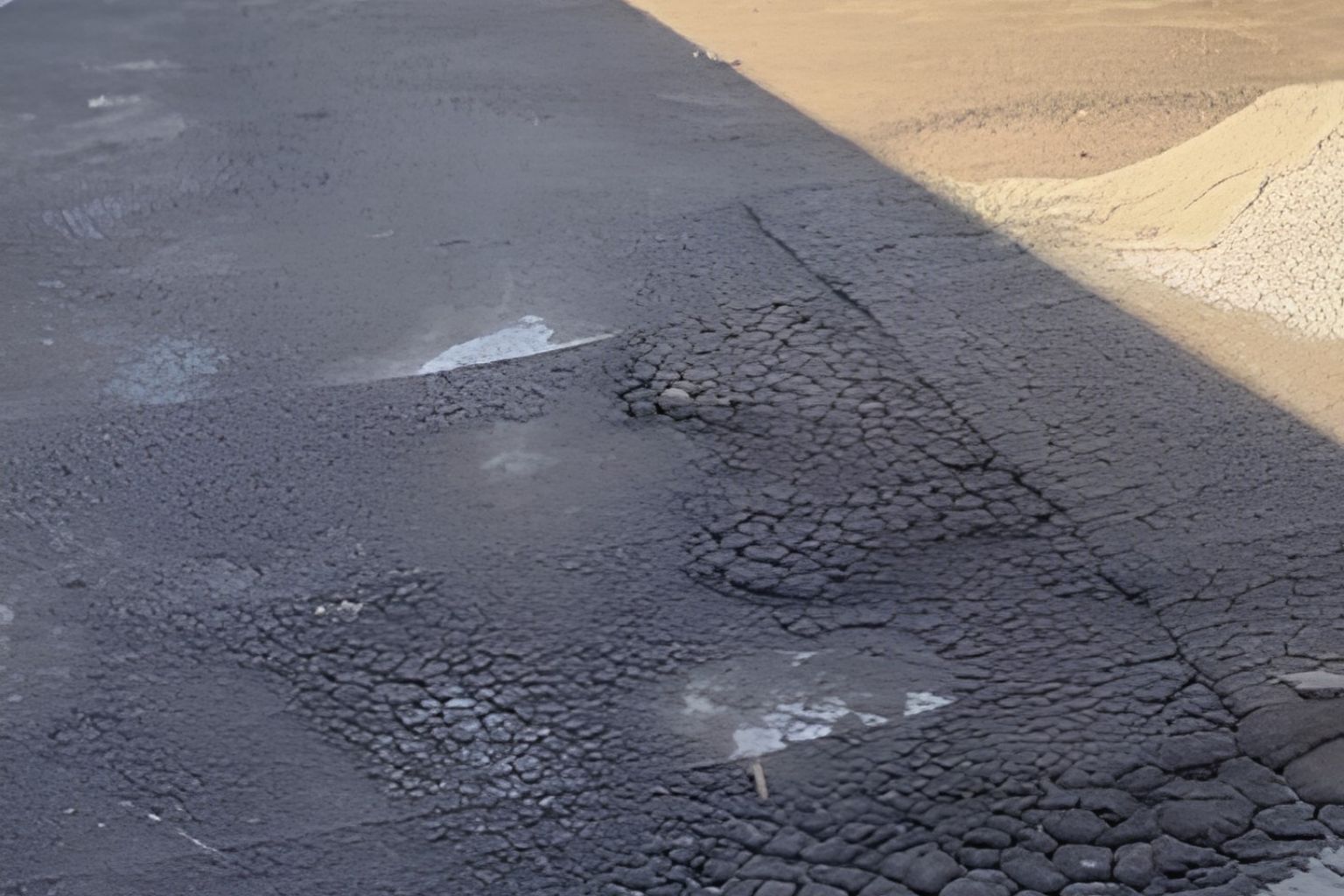
6. Previous repairs. Old patches fail more often than original roof surface. If your roof has a history of patch-on-patch repairs, those spots need checking every season — and a pattern of repeat failures usually means the section needs a real fix, not a fifth patch.
The prevention schedule that actually works in WI/MN
Spring (March–April): Full inspection after the thaw. Winter does its damage invisibly; spring is when you find it. Check every seam, penetration, and drain. Our guide to what to inspect after a Wisconsin or Minnesota winter covers the season-specific damage patterns.
Fall (October–November): Clear all drainage, reseal anything marginal, fix everything on the punch list before snow locks the roof away for four months. A small issue in October is an emergency in January — when it's buried under two feet of snow and repair conditions are terrible.
After storms: Hail, high winds, and heavy ice all justify a walk-through, even mid-season. Wind damage in particular compounds fast.
The math on prevention
Preventive work — seam repairs, resealing penetrations, clearing drains — is the cheapest work a roofing company does. One interior leak, by contrast, is never just a roof repair: it's stained ceiling tiles, wet insulation that has to be replaced, damaged inventory or equipment, and sometimes a tenant on the phone with their lawyer. The prevention budget for an entire year is typically less than the total cost of a single interior leak event.
When prevention is too late: if water has been getting in for multiple seasons, the insulation may already be saturated — and wet insulation can't be dried out, only cut out. At that point you need a condition assessment, not a maintenance visit. If you're already seeing water inside, start with our guide to finding the real source of a commercial roof leak.
Get ahead of next spring's leak now
A free inspection finds the seams, boots, and drains that are one winter away from becoming leaks — with photos, a written summary, and a prioritized fix list. No scare tactics: if your roof is tight, we'll tell you that too.
Schedule your free roof inspection or call (715) 607-4276. Crews based in Clear Lake, WI and Motley, MN.