Commercial Roof Coating: Restore vs Replace, Cost, Lifespan, and Best Uses (Commercial Guide)
Mose Borntreger • March 15, 2026
How to decide if coating is the smart restoration move—or if replacement is unavoidable.
If you manage a commercial building, you’ve likely heard some version of this:
“Just coat it.”
“You need a whole new roof.”
“That coating won’t last.”
And the truth is: all three can be true, depending on the roof.
A commercial roof coating can be one of the most cost-effective ways to extend roof life and reduce leaks—when the roof is a good candidate. But coating the wrong roof is just paying to delay replacement… and sometimes paying twice.
This pillar guide explains:
- what commercial roof coating is (and what it isn’t)
- when coating is the smart move
- when replacement is the better move
- what drives cost
- how long coatings last and what affects lifespan
- what an inspection should confirm before anyone quotes the job
What is a commercial roof coating?
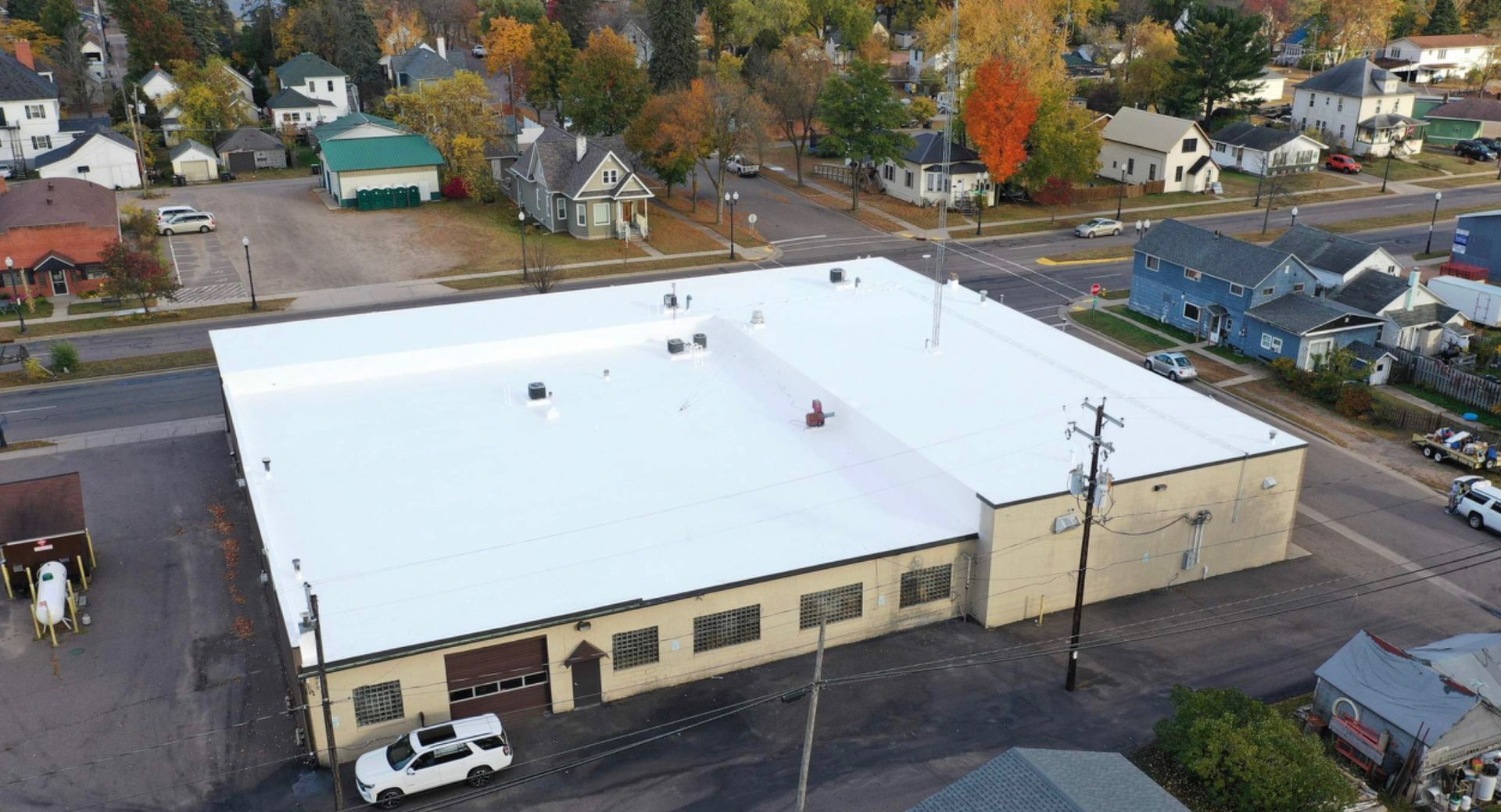
A commercial roof coating is a restoration system applied over an existing roof to create a continuous protective layer. When installed correctly, coatings can:
- seal and protect the roof surface
- reinforce common failure points (seams, penetrations, transitions)
- improve durability and weather resistance
- extend roof service life without a full tear-off (when the roof qualifies)
Important:
coating isn’t “painting a roof.” A real coating project includes prep + repairs + reinforcement. If those steps are skipped, coatings fail early.
Dealing with repeat leaks? Here’s our guide to stopping commercial roof leaks at seams, drains, and penetrations.
What types of commercial roofs can be coated?
Commercial roof coatings are most commonly used on:
1) Metal roofs
Coatings can help seal fasteners, seams, and transitions while protecting the surface from additional deterioration.
2) Low-slope / flat roofs (membrane systems)
Many membrane roofs can be good candidates for coating or restoration when the system is still structurally sound.
If you have a dedicated membrane coatings page, link it here: Membrane Coatings
3) Roofs that need reinforcement at problem areas
Some roofs require a stronger restoration approach than coatings alone—especially where seams and details repeatedly fail.
Fabric reinforcement overview: Fabric Reinforced Roofing System
When commercial roof coating is the smartest choice
Coating is typically a great option when:
✅ The roof structure is sound (deck and framing are in good shape)
✅ Leaks are detail-driven (seams, penetrations, transitions)
✅ Moisture is limited (or can be addressed in targeted areas)
✅ You want to avoid tear-off disruption (noise, debris, downtime)
✅ You want to extend roof life and plan replacement on your schedule
✅ Your roof is aging but still “worth saving”
For many facilities, coating is the right move when the roof is causing headaches—but replacement doesn’t yet pencil out.
When commercial roof coating is NOT the right solution
This is where people make expensive mistakes.
Coating is usually not recommended when you have:
🚫 Widespread wet insulation / trapped moisture
🚫 Structural deck issues
🚫 System-wide failure across large portions of the roof
🚫 Severe deterioration that requires rebuild-level repairs everywhere
🚫 Roof problems caused by drainage/slope issues that aren’t being fixed
A coating can’t fix a roof assembly that’s saturated or structurally compromised. In those cases, replacement (or partial tear-off strategies) often make more sense.
Commercial roof coating vs replacement: the decision framework
Here’s a simple way to make the call without guessing:
Coating/restoration is usually best when:
- roof structure is sound
- failures are concentrated at seams/details
- moisture issues are limited
- you want less disruption + better short-term ROI
Replacement is usually best when:
- moisture is widespread
- deck issues exist
- failures are systemic across the roof
- you’ve been chasing repairs and the problems keep migrating
If you’re unsure, that’s normal. The right next step is a professional inspection to confirm the roof’s condition.
Schedule an inspection here: Commercial Roof Inspection
What impacts commercial roof coating cost?
People ask this constantly, and the honest answer is: cost depends on the roof you’re restoring.
Here are the biggest drivers:
1) Roof size and complexity
A simple open roof is cheaper than a roof with dozens of penetrations, curbs, and transitions.
2) Roof condition and prep requirements
Coating success depends heavily on prep. More repairs, rust, or seam issues = more labor and cost.
3) The failure points that need reinforcement
Seams, fasteners, penetrations, and edge details are labor-heavy. Fixing them correctly is what makes the system last.
4) Drainage issues
If ponding water is present, that needs to be addressed properly. Coating alone is not a drainage fix.
5) Access, safety, and staging
Occupied buildings, height, safety setup, and jobsite logistics can affect pricing.
Pro tip: Don’t compare coating quotes like commodity paint. Compare:
- prep scope
- repair scope
- reinforcement plan
- thickness/spec
- warranty and maintenance expectations
For a deeper breakdown of pricing, see our guide on Commercial Roof Coating Cost: What Impacts Price (and What’s Worth Paying For)
How long does commercial roof coating last?
Lifespan depends on:
- roof condition at start
- prep quality
- coating type and thickness
- weather exposure
- ongoing inspections and maintenance
A properly installed coating system can deliver meaningful life extension—especially when paired with routine inspections.
The fastest way to shorten coating lifespan is skipping prep or ignoring recurring detail failures.
Want to maximize years and protect your warranty? Read our guide: Commercial Roof Coating Lifespan: Maintenance, Warranties, and How to Get the Most Years Out of It
What a commercial roof coating project should include (process overview)
Here’s the high-level process you should expect from a professional commercial coating job:
- Inspection & evaluation (candidate confirmation)
- Surface prep (cleaning + adhesion-ready prep)
- Targeted repairs (seams, penetrations, transitions, fasteners)
- Reinforcement where needed (details that repeatedly fail)
- Coating application (to spec, proper thickness)
- Final walkthrough + maintenance plan
If you don’t hear about repairs and reinforcement, you’re not getting a restoration system—you’re getting a surface cover-up.
Related guide: Commercial Roof Coating Process: Prep, Repairs, Thickness, and What to Expect On-Site
Best uses for commercial roof coatings (real examples)
Commercial roof coating is often ideal for:
- warehouses and distribution centers
- manufacturing facilities
- retail buildings
- agricultural and industrial buildings
- municipal buildings and schools
- any facility that needs less disruption than replacement
If a leak would disrupt operations or damage inventory, the goal is to choose the option that lowers future risk—not just the cheapest bid today.
The next step: find out if your roof qualifies
The best coating projects start with one thing: knowing whether the roof qualifies.
American Eagle Roofing & Coating can inspect your commercial roof and provide a clear recommendation:
- coat/restore (and what scope is required), or
- plan replacement if restoration doesn’t make sense
FAQ
Is commercial roof coating the same as roof restoration?
Coatings are often part of a restoration system, but true restoration includes prep, repairs, and reinforcement—not just applying a top layer.
Can you coat a metal commercial roof?
Often, yes—especially when leaks originate at fasteners, seams, and penetrations and the roof is structurally sound.
When should a commercial roof be replaced instead of coated?
If moisture is widespread, the deck is compromised, or failures are systemic across the roof, replacement may be the smarter long-term option.
How do I know if my roof is a coating candidate?
A commercial roof inspection can confirm roof condition, moisture concerns, and what prep/repairs are required for a coating system to perform.
Related Commercial Roof Coating Guides
- Commercial Roof Coating Cost: What Impacts Price (and What’s Worth Paying For)
- Metal Roof Coating for Commercial Buildings: When It Works (and When It Won’t)
- Flat Roof Coating: Stop Recurring Leaks at Seams, Drains & Penetrations (Commercial Guide)
- Commercial Roof Coating Process: Prep, Repairs, Thickness, and What to Expect On-Site
- Commercial Roof Coating Lifespan: Maintenance, Warranties, and How to Get the Most Years Out of It
How Wisconsin freeze-thaw cycles crack membranes, split seams, and cause spring leaks on commercial roofs - and the fall prep that stops it. Free inspection.
What a structured commercial roof maintenance program includes, the annual schedule that works in WI/MN, and the budget math that makes it pay for itself.
Real-world lifespans for metal, TPO, EPDM, PVC, and coated commercial roofs in the Upper Midwest - and what actually determines which number you get.
Most commercial roof leaks are preventable. The 6 places leaks start, the seasonal schedule that stops them, and what prevention costs vs one interior leak.
Chalking, cracking, rust bleed-through, peeling - what each roof coating failure sign means, which are urgent, and when recoating still saves the roof.
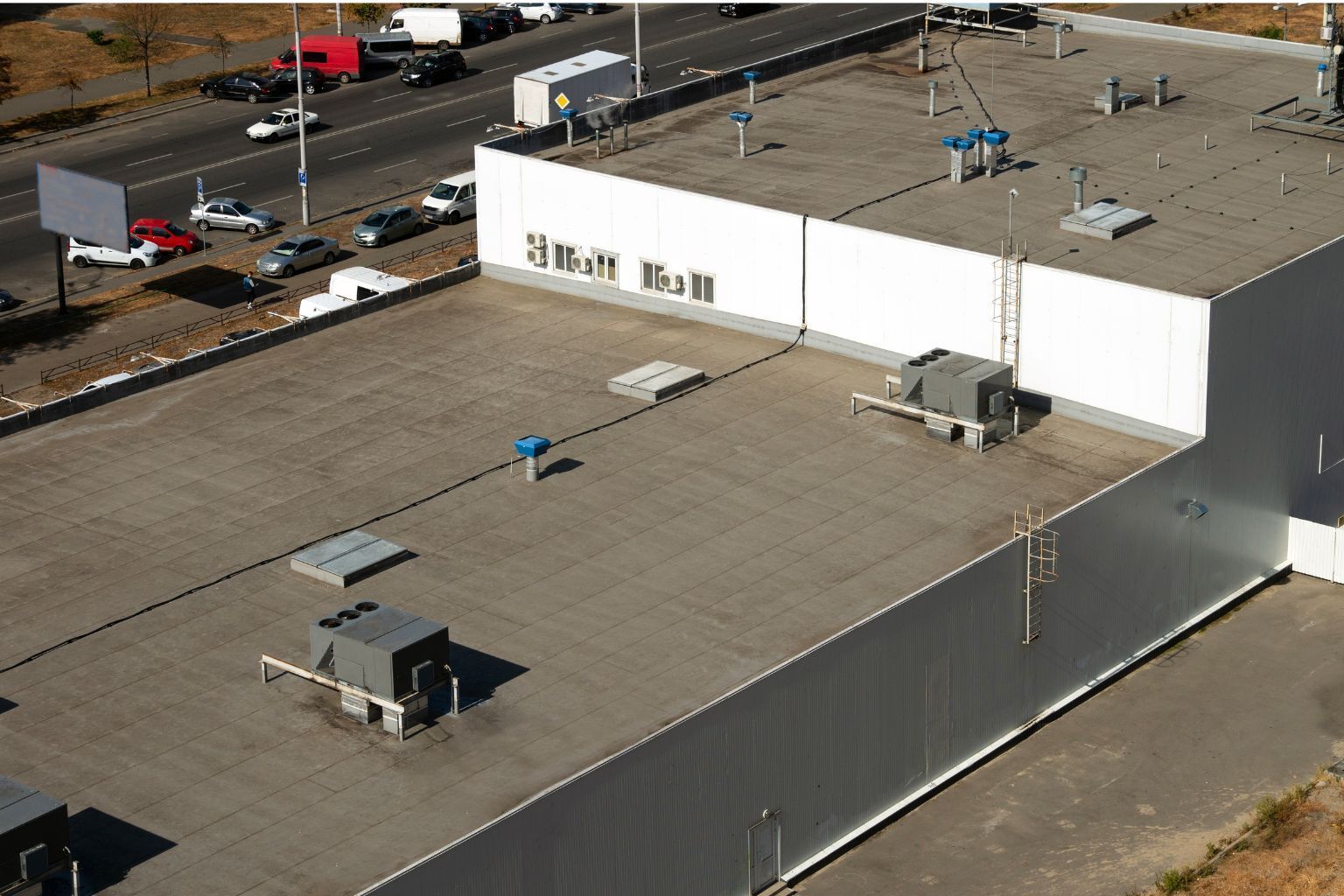
Most commercial roofs are replaced years early. How inspections, repairs, and coatings add 10-20 years to your roof - and when they can't. Free inspection.
EPDM rubber roof leaking at the seams or flashing? Learn the most common EPDM repairs, how they're done right, and when to restore instead. Commercial, WI & MN.
Hail or wind damage on your commercial roof? Learn how to spot storm damage, document it for an insurance claim, and get it repaired right. WI & MN roofers.
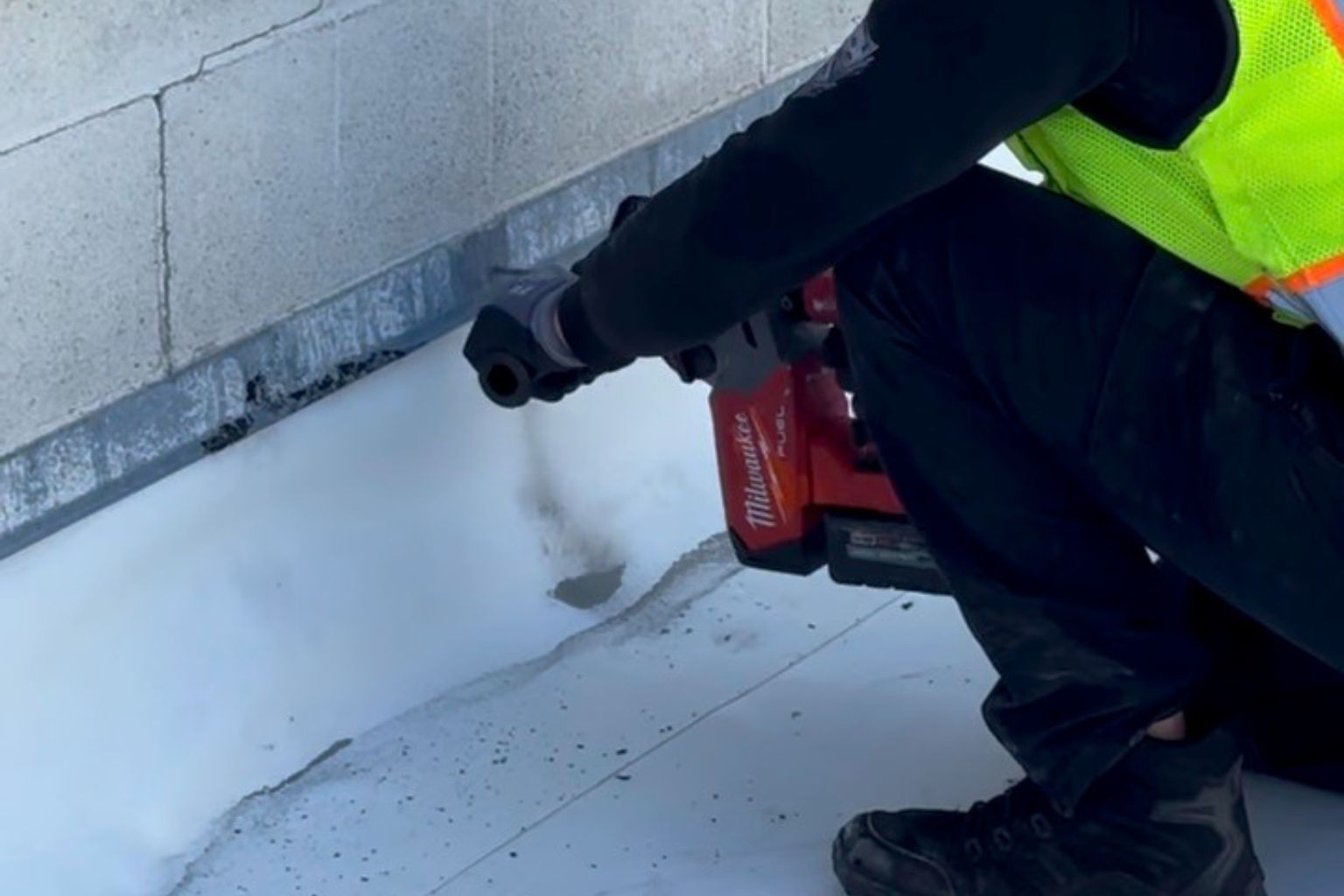
A commercial roof leak rarely starts where you see the stain. Learn how we trace a flat-roof leak to its real source and repair it for good. WI & MN inspections.
Commercial roof leaking right now? Here's how to protect your building, what counts as a roofing emergency, and how fast we respond across WI & MN. Call now.