Commercial Roof Coating Lifespan: Maintenance, Warranties, and How to Get the Most Years Out of It
Mose Borntreger • April 25, 2026
What actually affects coating life—and the simple maintenance plan that protects your investment.
If you’re considering a coating project, this is the question every building owner asks:
“How long will a commercial roof coating last?”
The honest answer is: it depends—but not in a vague, unhelpful way.
Commercial roof coating lifespan is mostly determined by:
- roof condition at the start
- the quality of prep and detail work
- thickness/spec
- rooftop traffic and drainage
- and whether the roof is inspected and maintained after installation
This guide breaks down what really affects lifespan, what to watch out for, and how to protect your coating investment.
Start here: Commercial Roof Coating: Restore vs Replace, Cost, Lifespan, and Best Uses (Commercial Guide)
What does “lifespan” really mean for commercial roof coatings?
When people say “how long does it last,” they often mean one of these:
- How long until the coating needs repairs?
- How long until it needs a recoat?
- How long until replacement is unavoidable?
A quality coating system is designed to extend roof life, but the best systems assume something important:
Coatings are not “set it and forget it”
Most coating problems start at details—seams, penetrations, drains, transitions—and those areas need periodic inspection.
The 7 biggest factors that shorten coating lifespan
1) Skipping surface prep
If the roof wasn’t cleaned and prepped properly, adhesion suffers and failures show up early.
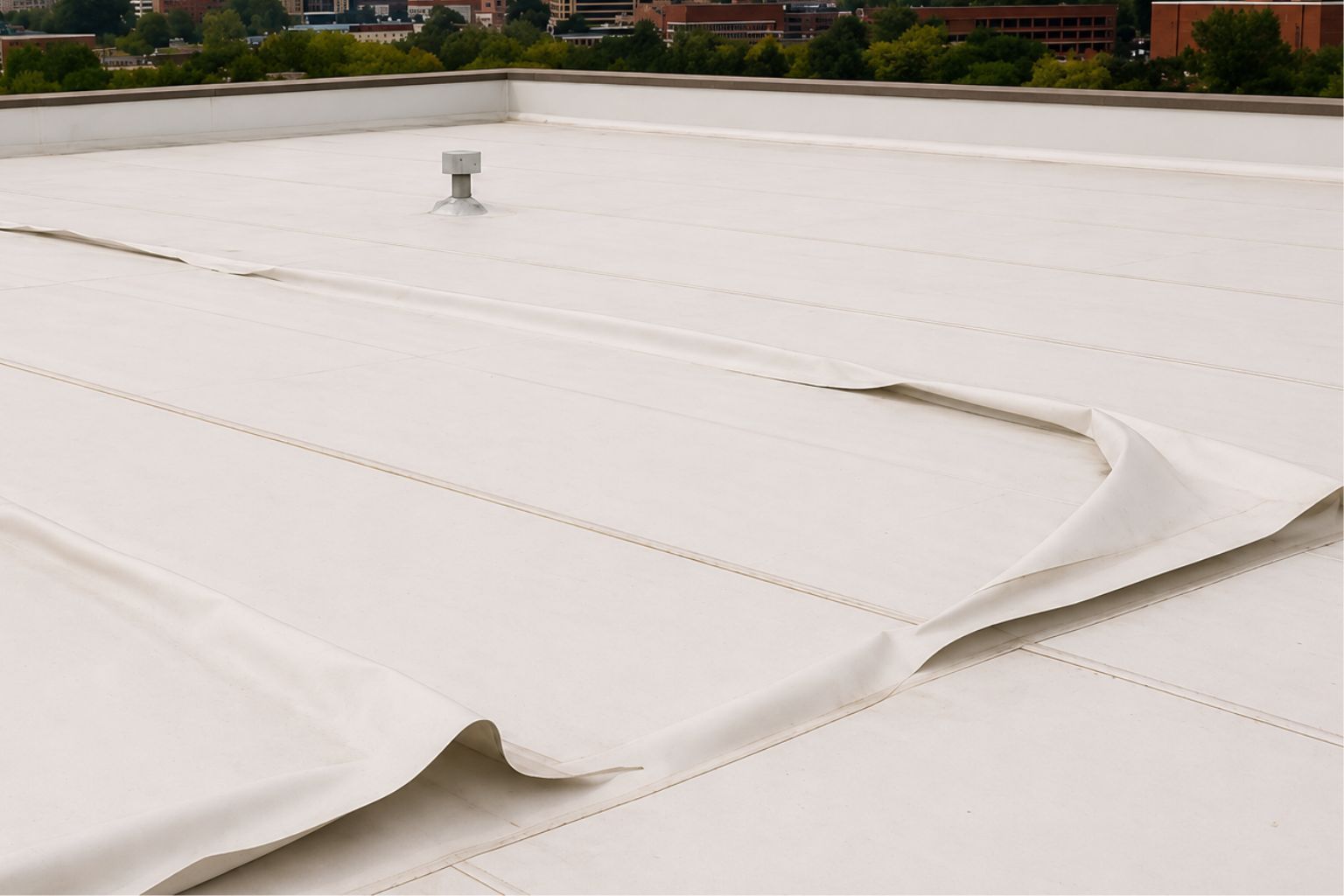
2) Weak seam/penetration detailing
Most leaks happen at:
- seams and laps
- drains/scuppers/low areas
- HVAC curbs and penetrations
- If these weren’t repaired and reinforced properly, lifespan drops.
Helpful read: Flat Roof Coating: Stop Recurring Leaks at Seams, Drains & Penetrations (Commercial Guide)
3) Ponding water that isn’t addressed
Standing water accelerates failure in low areas and around drains. Even the best coating systems need drainage evaluated.
4) Thin application / no clear thickness spec
If thickness isn’t controlled, performance is inconsistent. This is one reason some “cheap” jobs don’t last.
5) Rooftop foot traffic
Service techs can damage coatings over time without walk pads or proper traffic control.
6) Deferred maintenance
Small issues become big ones when no one checks the roof for 12–24 months at a time.
7) The roof wasn’t a good candidate to begin with
If moisture is widespread or the roof system is failing broadly, coatings become a short delay, not a long-term solution.
What a simple maintenance plan looks like (facility-friendly)
To maximize coating lifespan, keep it simple:
Inspect 2 times per year
- Spring: after freeze/thaw and storms
- Fall: before snow season (Midwest especially)
Inspect after major events
- hail, high winds, major storms
- anytime you see interior staining or ceiling changes
Keep drains and scuppers clear
Clogged drains are one of the fastest ways to shorten coating lifespan.
Fix small detail issues early
A small seam crack or penetration issue is cheap to repair early and expensive when ignored.
Warranty basics (what most people don’t realize)
Warranties vary by system and scope, but most commercial coating warranties have one thing in common:
Maintenance requirements matter
Many warranties require:
- periodic inspections
- documentation (photos/notes)
- repairs completed in a timely manner
- drains maintained
Common warranty killers:
- unreported damage left unaddressed
- roof modifications by other trades (HVAC work, new penetrations)
- lack of inspection documentation
- neglecting drainage/ponding problems
If you do these 4 things, you dramatically improve lifespan:
- Start with a roof inspection to confirm the roof qualifies
- Choose a scope that includes real prep + seam/detail reinforcement
- Make sure the job is installed to a clear thickness/spec
- Inspect and maintain the roof twice per year
If you want to understand what a quality scope includes, this process guide is helpful:
(Insert your process cluster link here once published.)
How lifespan ties back to cost (cost-per-year thinking)
A cheaper coating job that fails early is expensive.
A properly installed system that extends roof life and reduces leak risk is often the better “cost per year” outcome—even if it isn’t the lowest bid.
For pricing drivers (what’s worth paying for), read: Commercial Roof Coating Cost: What Impacts Price (and What’s Worth Paying For)
Next step: get a clear lifespan expectation for your building
Every roof is different. The best way to get a realistic lifespan expectation is confirming:
- roof condition and moisture concerns
- detail failure points
- drainage and ponding risk
- the right scope/spec for long-term performance
If you want a straightforward recommendation, start with a Free Commercial Roof Inspection.
FAQ
How long does commercial roof coating last?
Lifespan depends on roof condition, prep quality, thickness/spec, and maintenance. Regular inspections extend performance.
What shortens roof coating lifespan the most?
Poor prep, weak detailing at seams/penetrations/drains, ponding water, and lack of maintenance.
Do roof coatings require maintenance?
Yes. A simple twice-per-year inspection plan plus drain maintenance helps coatings last longer and supports warranty compliance.
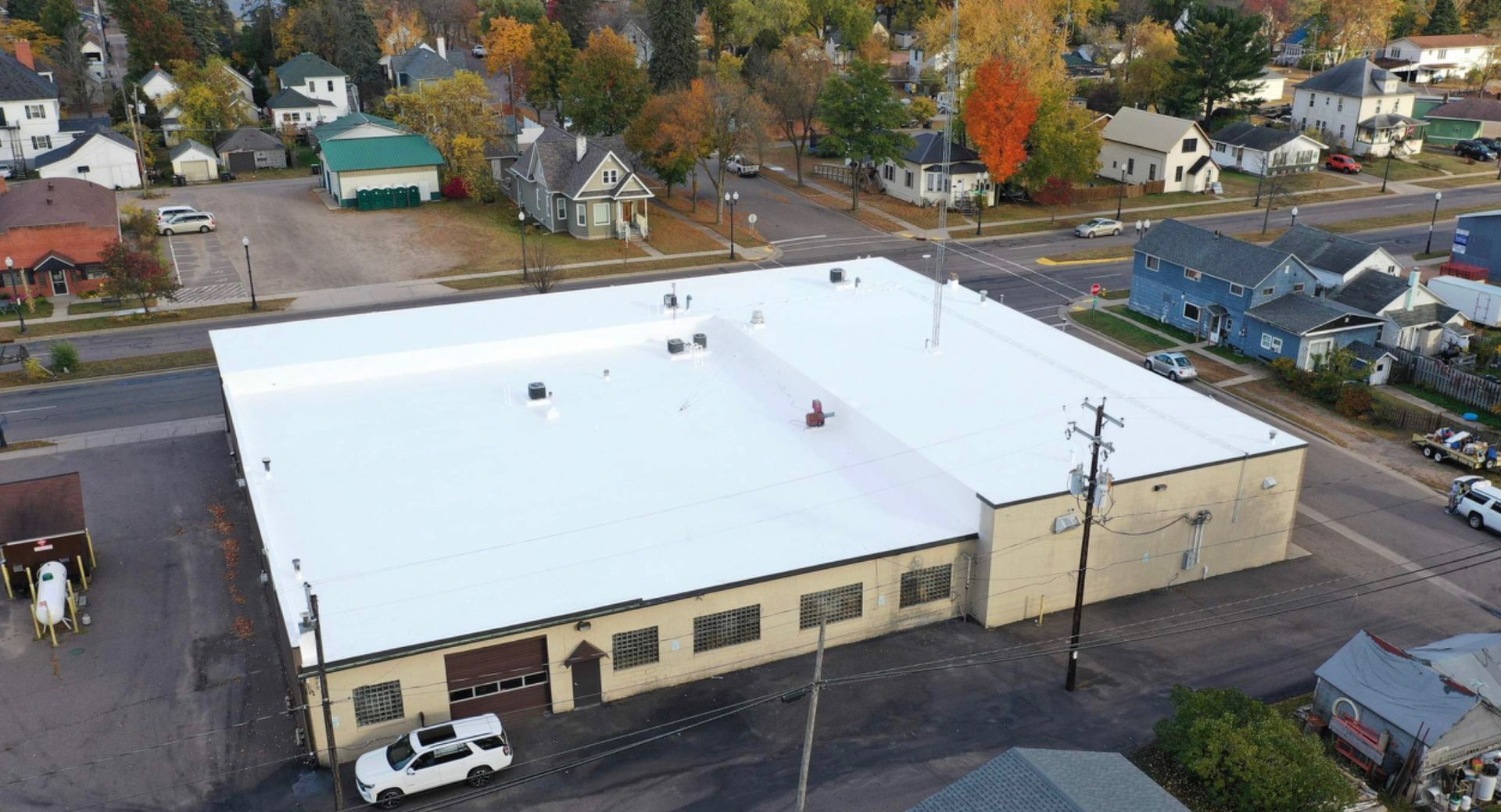
How Wisconsin freeze-thaw cycles crack membranes, split seams, and cause spring leaks on commercial roofs - and the fall prep that stops it. Free inspection.
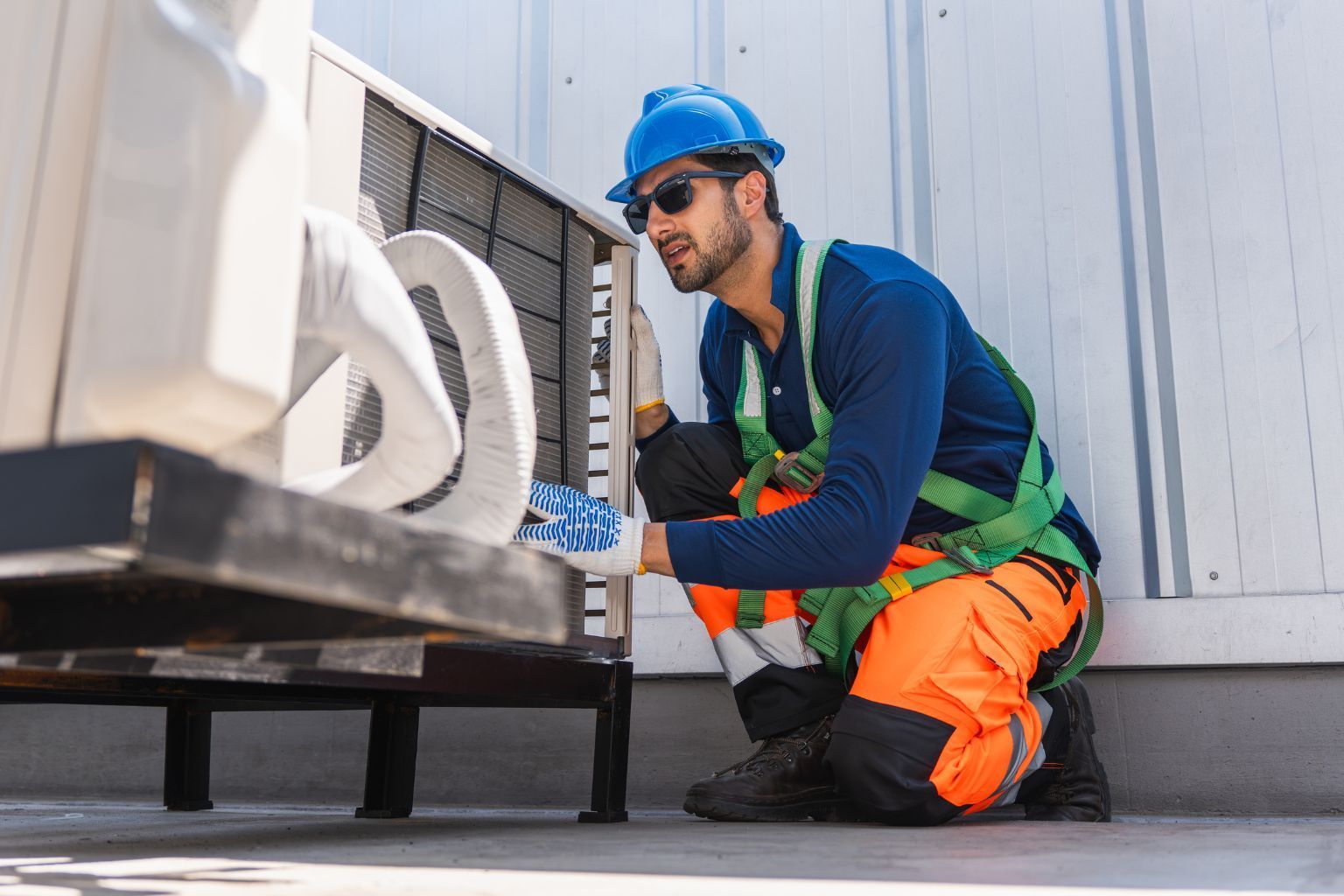
What a structured commercial roof maintenance program includes, the annual schedule that works in WI/MN, and the budget math that makes it pay for itself.
Real-world lifespans for metal, TPO, EPDM, PVC, and coated commercial roofs in the Upper Midwest - and what actually determines which number you get.
Most commercial roof leaks are preventable. The 6 places leaks start, the seasonal schedule that stops them, and what prevention costs vs one interior leak.
Chalking, cracking, rust bleed-through, peeling - what each roof coating failure sign means, which are urgent, and when recoating still saves the roof.
Most commercial roofs are replaced years early. How inspections, repairs, and coatings add 10-20 years to your roof - and when they can't. Free inspection.
EPDM rubber roof leaking at the seams or flashing? Learn the most common EPDM repairs, how they're done right, and when to restore instead. Commercial, WI & MN.
Hail or wind damage on your commercial roof? Learn how to spot storm damage, document it for an insurance claim, and get it repaired right. WI & MN roofers.
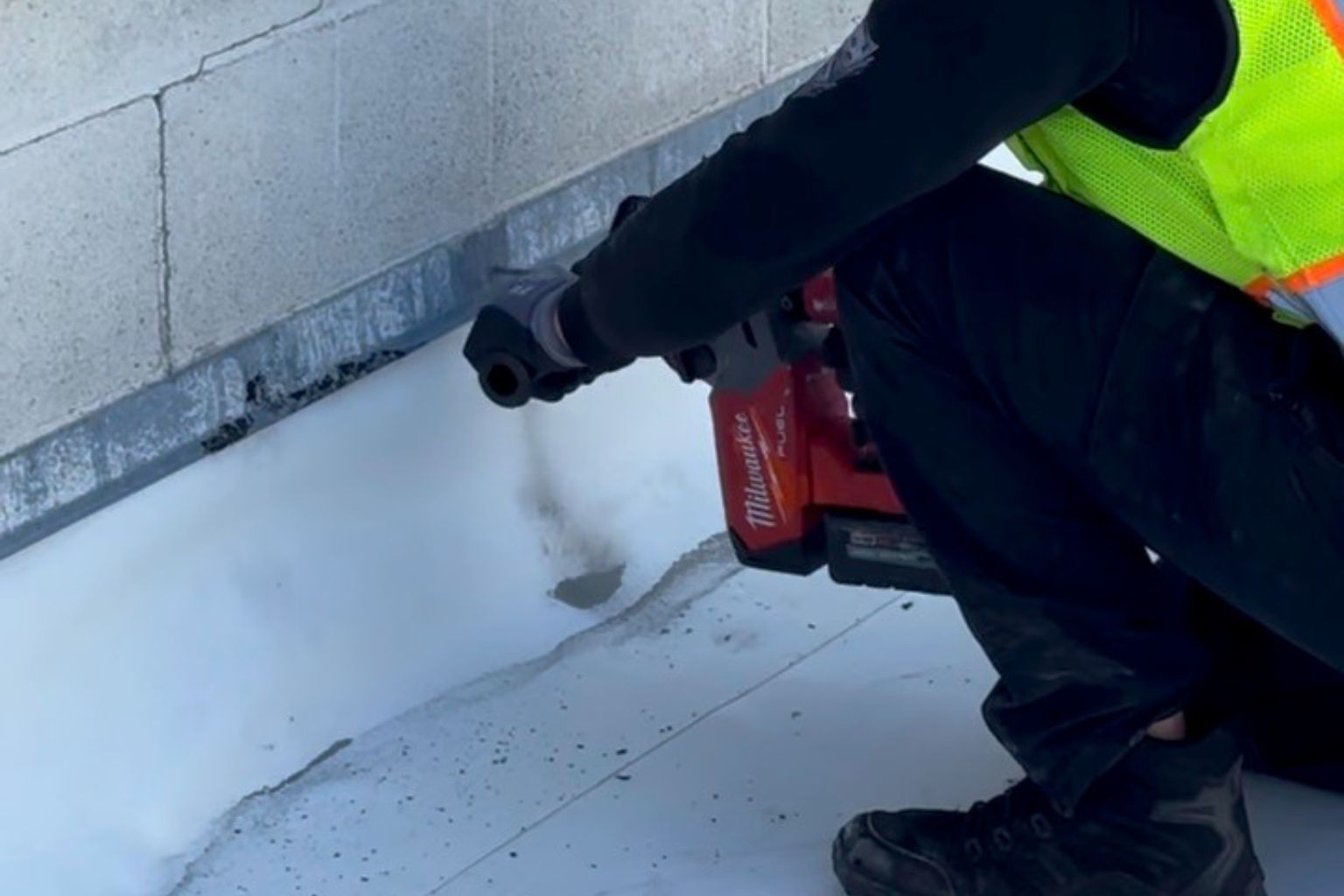
A commercial roof leak rarely starts where you see the stain. Learn how we trace a flat-roof leak to its real source and repair it for good. WI & MN inspections.
Commercial roof leaking right now? Here's how to protect your building, what counts as a roofing emergency, and how fast we respond across WI & MN. Call now.