Is Your Commercial Roof a Candidate for Fabric-Reinforced Restoration? (Checklist)
Is Your Commercial Roof a Candidate for Fabric-Reinforced Restoration? (Quick Checklist)
If your commercial roof keeps leaking in the same spots, you’ve probably wondered:
“Can we restore this roof… or do we need to replace it?”
A fabric-reinforced roofing system can be one of the best ways to extend roof life and reduce recurring leaks — but only if the roof is a good candidate.
This post gives you a simple, facility-manager-friendly checklist to help you understand what qualifies for restoration, what doesn’t, and what a proper inspection should confirm.
Want the full overview of how fabric reinforcement works and when it’s used? Read our guide on Fabric-Reinforced Roofing Systems.
And if you suspect your roof might be one of the exceptions, read when fabric-reinforced roofing is the wrong choice before you spend anything.
First: What is fabric-reinforced roof restoration?
Fabric reinforcement is a commercial roof restoration approach that embeds a high-strength fabric into a coating system to create a tougher, more flexible protective layer over an existing roof. It’s built to reinforce seams, penetrations, and transitions—the areas where many commercial roofs fail first.
Learn more about the system we install here: Fabric-Reinforced Roofing Systems for Commercial Buildings
The quick “candidate” rule (simple and accurate)
Fabric-reinforced restoration is usually a good fit when:
✅ The roof is structurally sound
✅ Problems are mostly at seams/details, not everywhere
✅ Moisture issues are limited (or can be addressed)
✅ You want less disruption than a full tear-off
✅ Your goal is to extend roof life and reduce leak risk
It’s usually NOT a good fit when:
🚫 Moisture is widespread (wet insulation over large areas)
🚫 The roof deck has structural damage
🚫 The roof system has systemic failure across most of the roof
🚫 Severe deterioration means you’re basically rebuilding the roof anyway
The only way to know for sure is an inspection — but this checklist will help you spot the signs quickly.
Step 1: “Green flags” — signs your roof may qualify
✅ Green Flag #1: Leaks are recurring but localized
If leaks show up repeatedly in the same places (seams, penetrations, wall transitions), that often points to detail failure—not full system failure.
✅ Green Flag #2: The roof surface is mostly intact
Aging is normal. What matters is whether the roof has:
- manageable wear and tear
- stable areas between problem details
- no large-scale breakdown
✅ Green Flag #3: The structure is sound
If the roof deck and framing aren’t compromised, restoration can be a smart investment.
✅ Green Flag #4: Your building can’t handle replacement disruption
Fabric-reinforced systems are often chosen when facilities need to avoid:
- full tear-off debris
- major day-to-day disruption
- heavy downtime
✅ Green Flag #5: You want a “bridge” to replacement timing
Sometimes the goal isn’t avoiding replacement forever. It’s making a smart move now so you can plan replacement later on your schedule—without gambling on leaks.
Step 2: “Red flags” — signs replacement may be the smarter option
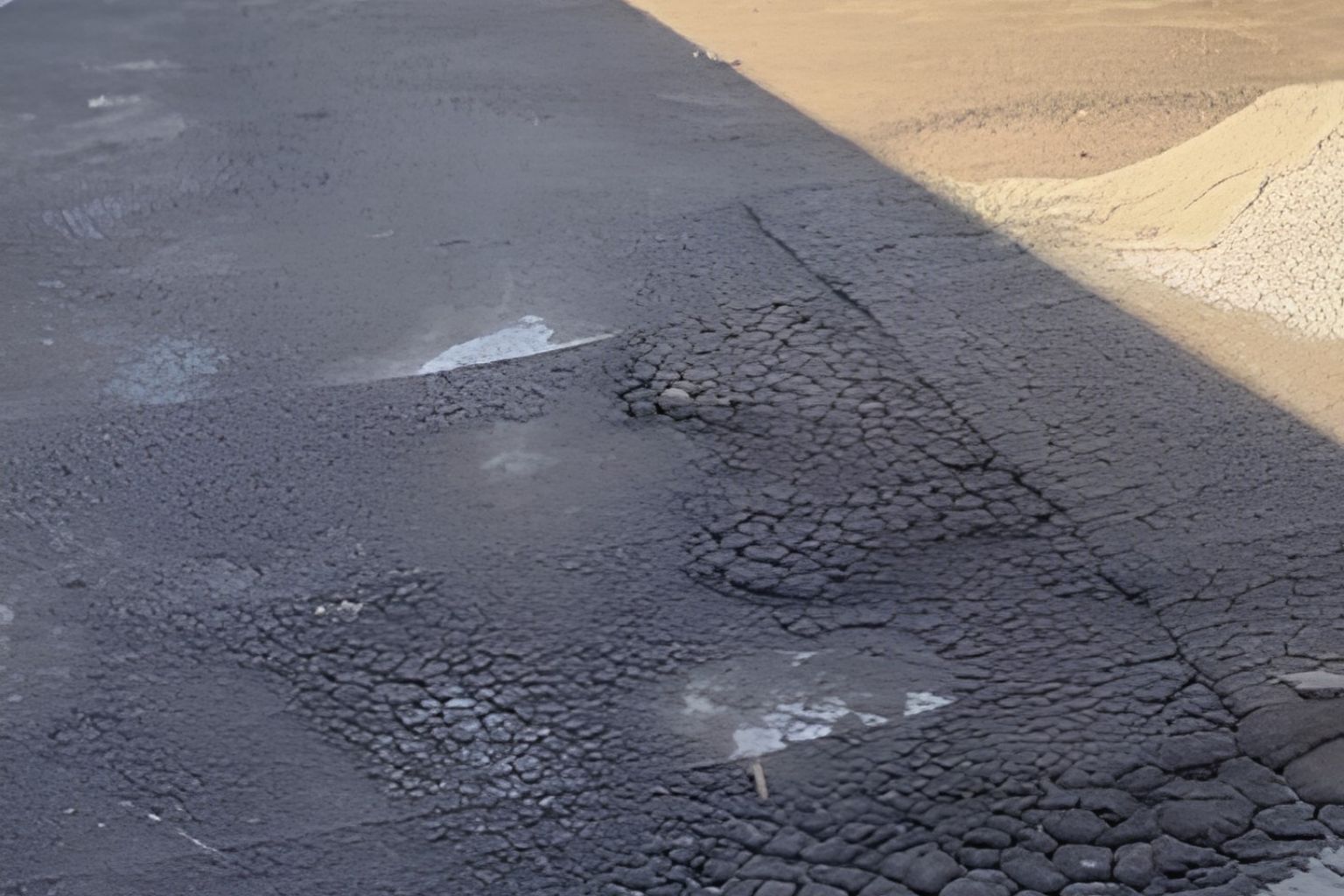
🚫 Red Flag #1: Widespread trapped moisture / wet insulation
This is the biggest deal-breaker. If insulation is saturated across big sections, you’re dealing with an assembly problem, not just surface issues.
Common signs:
- persistent interior leaks in multiple zones
- recurring ceiling staining across large areas
- soft or spongy areas on the roof (never ignore this)
🚫 Red Flag #2: Structural deck issues
If there’s deterioration in the deck, you may need replacement or a more invasive approach.
🚫 Red Flag #3: System-wide failure (not just details)
If the roof is failing everywhere—not just at seams and penetrations—restoration may not deliver long-term performance.
🚫 Red Flag #4: Severe deterioration in high percentages of the roof
When too many areas require rebuild-level repair, replacement often becomes more cost-effective over time.
Step 3: The “detail failure” checklist (where most commercial leaks actually start)
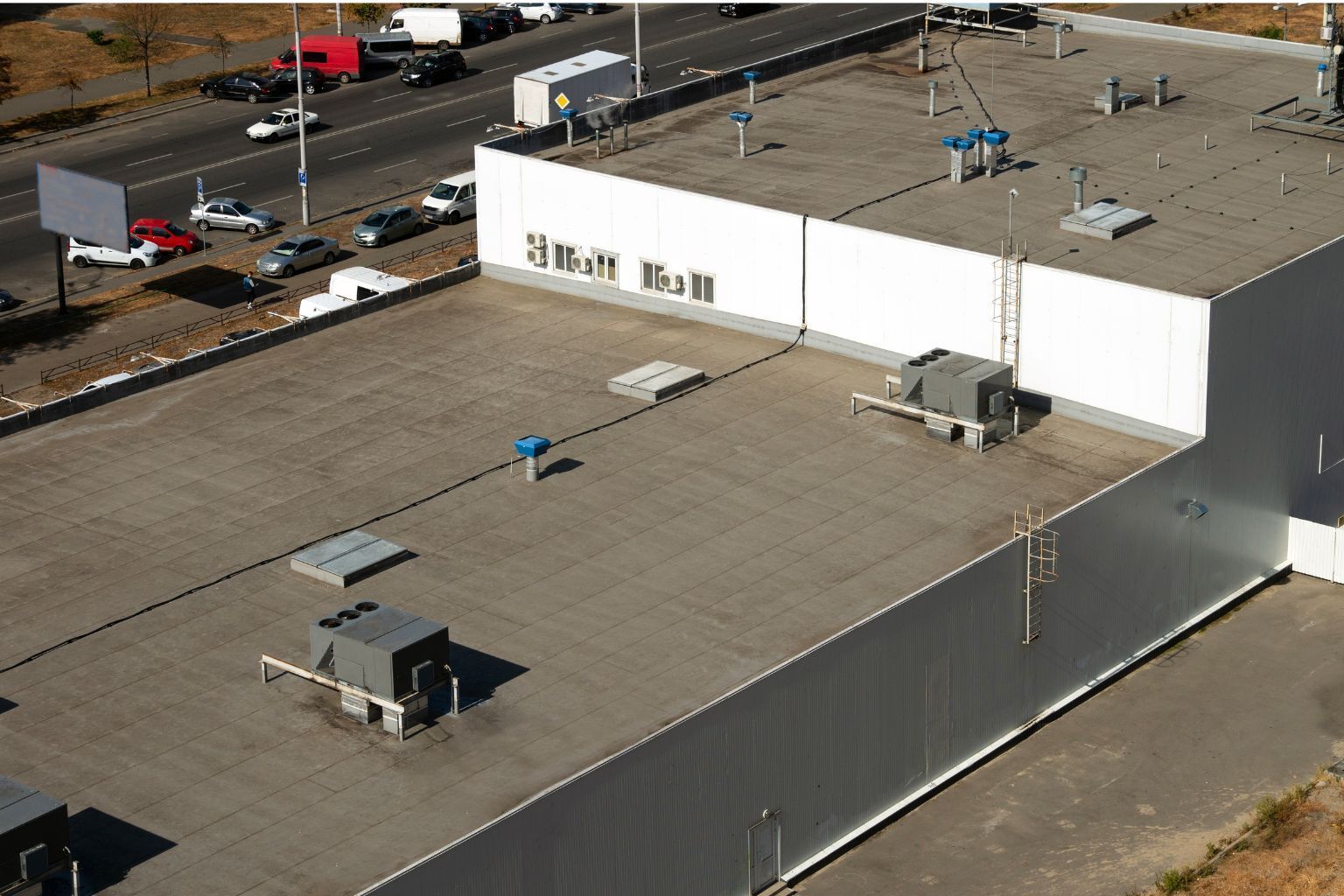
Even strong roofs fail at details first. These are the exact areas fabric reinforcement is designed to strengthen:
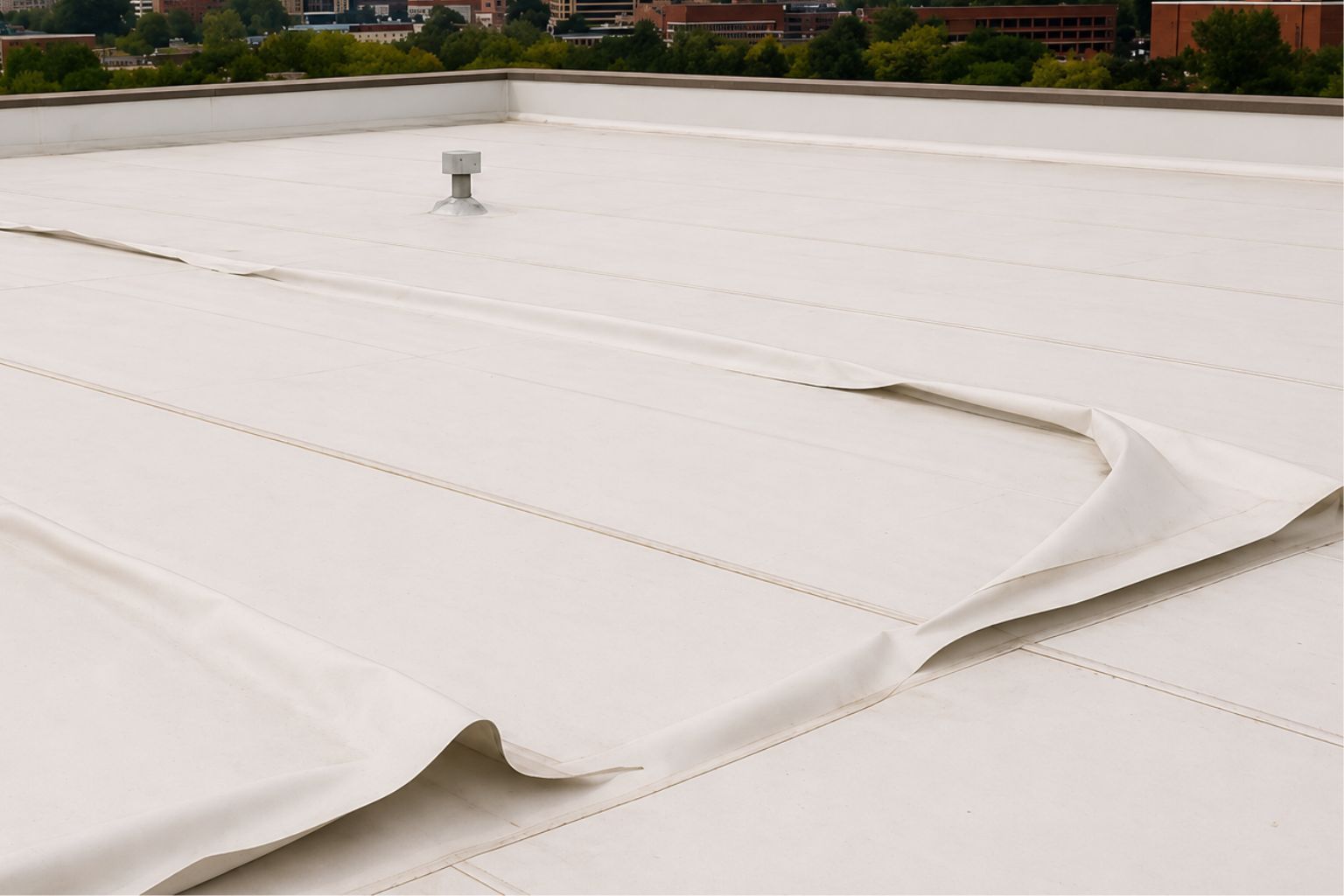
- Seams and laps (separation, cracking, repeat repairs)
- Penetrations (HVAC curbs, vents, conduits, pipe boots)
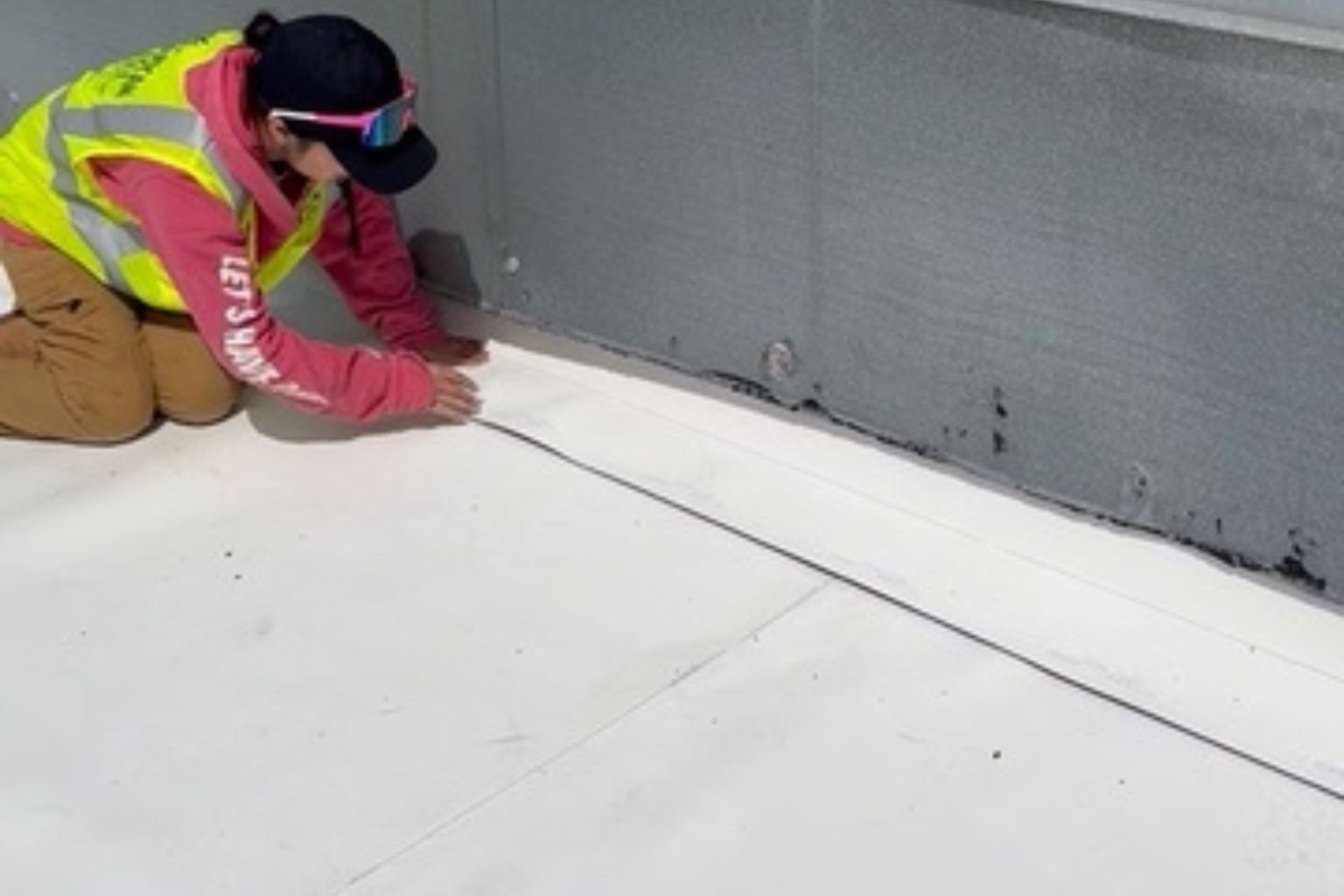
- Wall transitions (termination bars, flashing edges, parapets)
- Drain areas (standing water stress, clogged drains, scuppers)
- Puncture zones (walk paths, service traffic, equipment areas)
If your problems are concentrated here, you’re often a better restoration candidate.
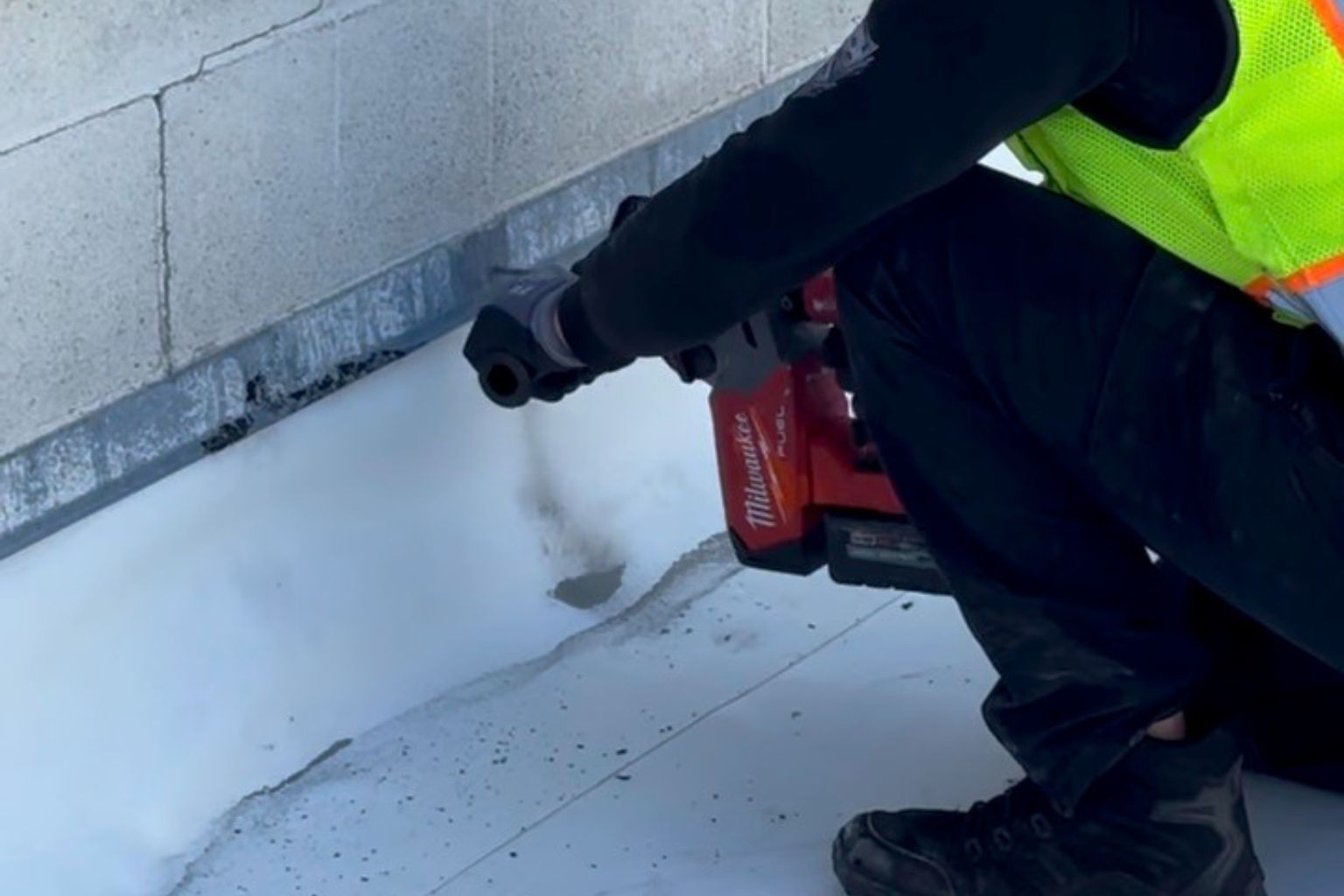
Step 4: What a commercial roof inspection should confirm (before any quote)
A real inspection should answer:
1) What roof system is it?
Single-ply? Modified? Metal? Other?
2) Where are the active failure points?
Seams, penetrations, transitions, drains, edge metal.
3) Is moisture present — and how widespread?
This is the line between “restore” and “replace.”
4) What repairs are required before reinforcement?
A good system includes prep and repairs — not shortcuts.
5) Is a fabric-reinforced roofing system the best option?
Sometimes a standard restoration/coating approach is enough. Sometimes reinforcement is needed. Sometimes replacement is unavoidable.
Schedule your inspection here: Commercial Roof Inspections
The simplest decision framework (restore vs replace)
If you want a quick way to decide:
Restoration (fabric-reinforced) usually makes sense when:
- Roof is structurally sound
- Leaks are detail-driven and repeat in known areas
- Moisture issues are limited
- You want less disruption and strong ROI
Replacement usually makes sense when:
- Moisture is widespread
- Deck is compromised
- Failures are systemic across most of the roof
- You’re spending money every year and the problem keeps migrating
Next step: Want a clear yes/no for your building?
If your roof qualifies, fabric reinforcement can be a strong long-term play. If it doesn’t, we’ll tell you that too — because the worst outcome is paying for the wrong solution.
Request a commercial roof inspection
American Eagle Roofing & Coating will inspect your roof and provide a straightforward recommendation: restore with a fabric-reinforced roofing system or plan replacement if that’s the smarter move.
Schedule a Free Commercial Roof Inspection
FAQ
How do I know if my roof can be restored instead of replaced?
If the structure is sound and problems are concentrated at seams/details with limited moisture, restoration may be a good option. An inspection confirms.
What disqualifies a roof from fabric-reinforced restoration?
Widespread wet insulation, structural deck issues, or system-wide failure across large sections of the roof.
Does fabric reinforcement fix recurring seam leaks?
It’s designed to reinforce seams and stress points where many commercial roofs fail first—when installed with proper prep and repairs.
Is restoration cheaper than replacement?
Often, yes upfront. The best comparison is cost-per-year + disruption + risk, based on the roof’s condition.