Metal Roof Coating: What It Is and When It Works
If you manage a commercial building with a metal roof, you already know the two big truths:
Metal roofs can last a long time.
Most of the problems don’t start with the panels, they start at the seams, fasteners, and penetrations.
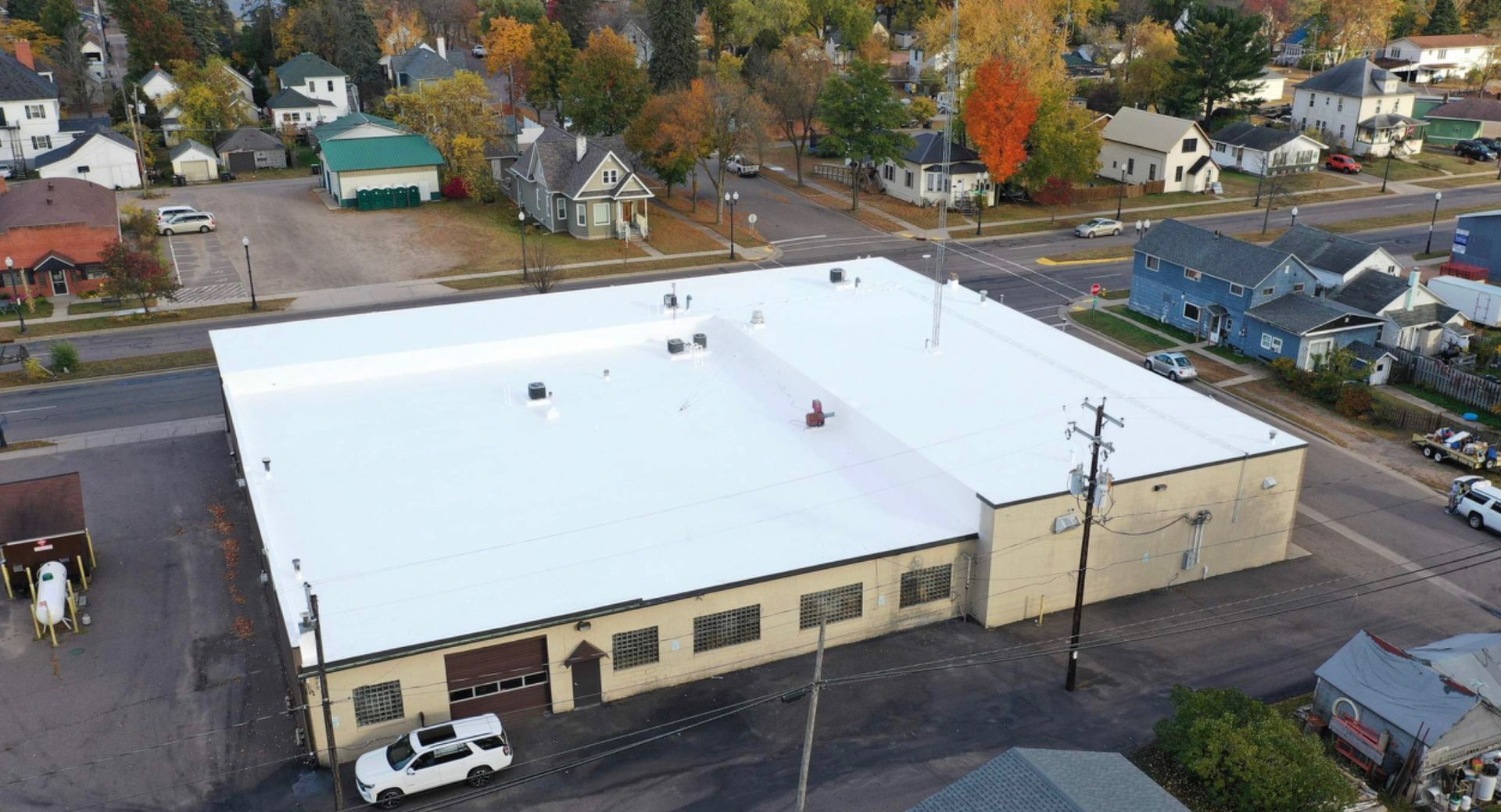
That’s why metal roof coating has become one of the most cost-effective ways to restore aging commercial roofs when the roof is still structurally worth saving.
This guide breaks down what a metal roof coating is, how to know if your roof is a good candidate, what kind of results you can expect, and the red flags that mean replacement is the better investment.
We coat commercial, industrial, and agricultural metal roofs across western Wisconsin and eastern Minnesota, so everything below is written for roofs that go through real winters.
What is a metal roof coating?
A metal roof coating is a restoration system applied over an existing metal roof to:
- Seal and protect the roof surface
- Reinforce problem areas (seams, fasteners, penetrations)
- Reduce future leaks and deterioration
- Extend the service life of the roof without a full tear-off
In plain English: it’s a way to restore the roof you have instead of ripping it off, as long as the roof qualifies.
This is not “painting a roof.” A real metal roof coating project includes prep, repairs, and reinforcement, the stuff that determines whether it lasts or fails.
Why commercial metal roofs leak in the first place
If you’re Googling “metal roof coating,” there’s a good chance you’re dealing with one of these issues:
They’re listed in the order we actually run into them.
1) Fasteners backing out
Thermal expansion and contraction works fasteners loose over time. That creates tiny gaps that become leaks.
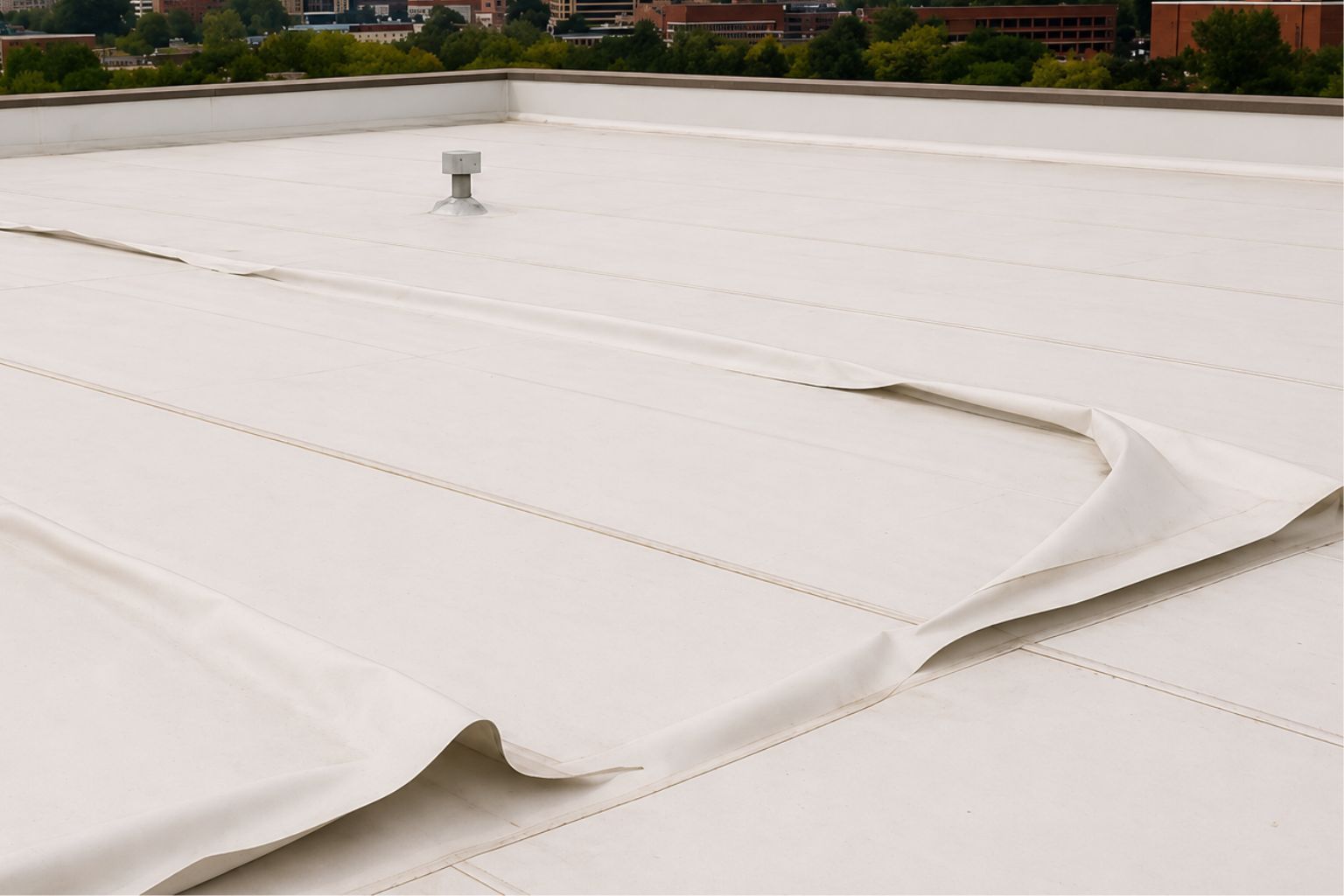
2) Seams and laps separating
Seams are stress points. When they open up, water gets in and migrates.
3) Penetrations and rooftop equipment
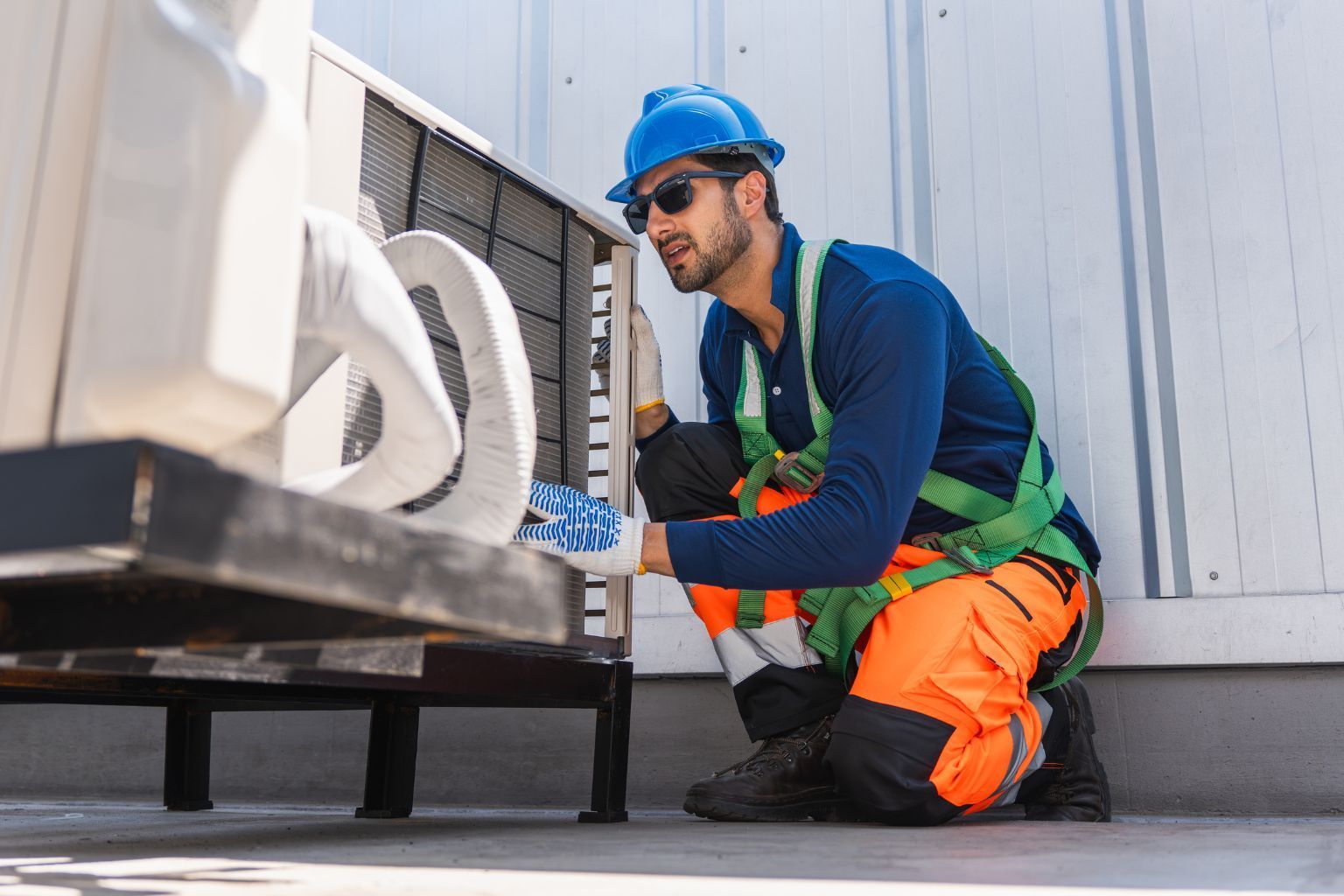
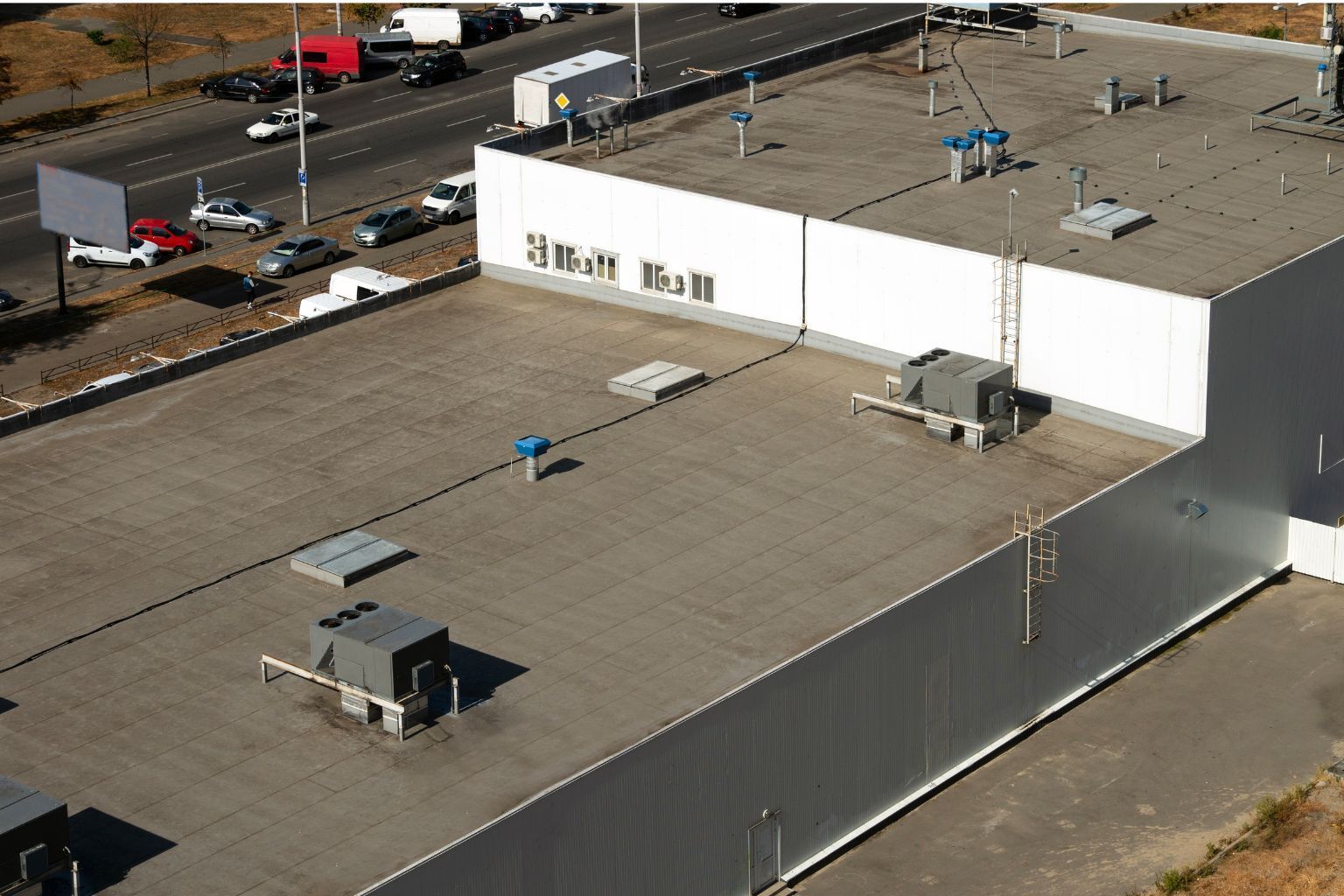
Pipe boots, HVAC curbs, vents, conduits, all the “details” are where most leaks start.
4) Wall transitions and edge conditions
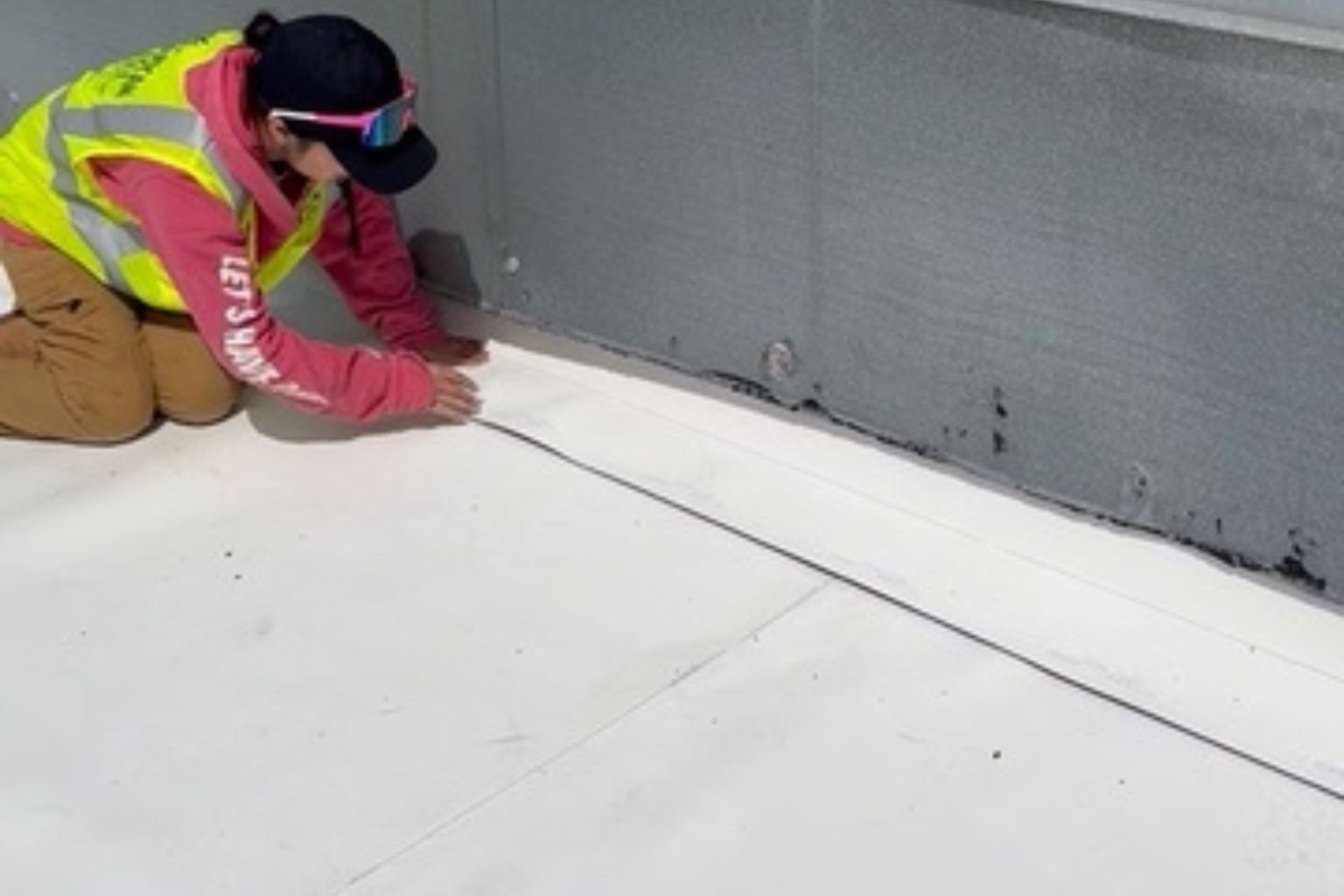
Where the roof meets a wall, parapet, coping, gutter line, or termination detail, these areas fail often.
5) Oxidation and rust
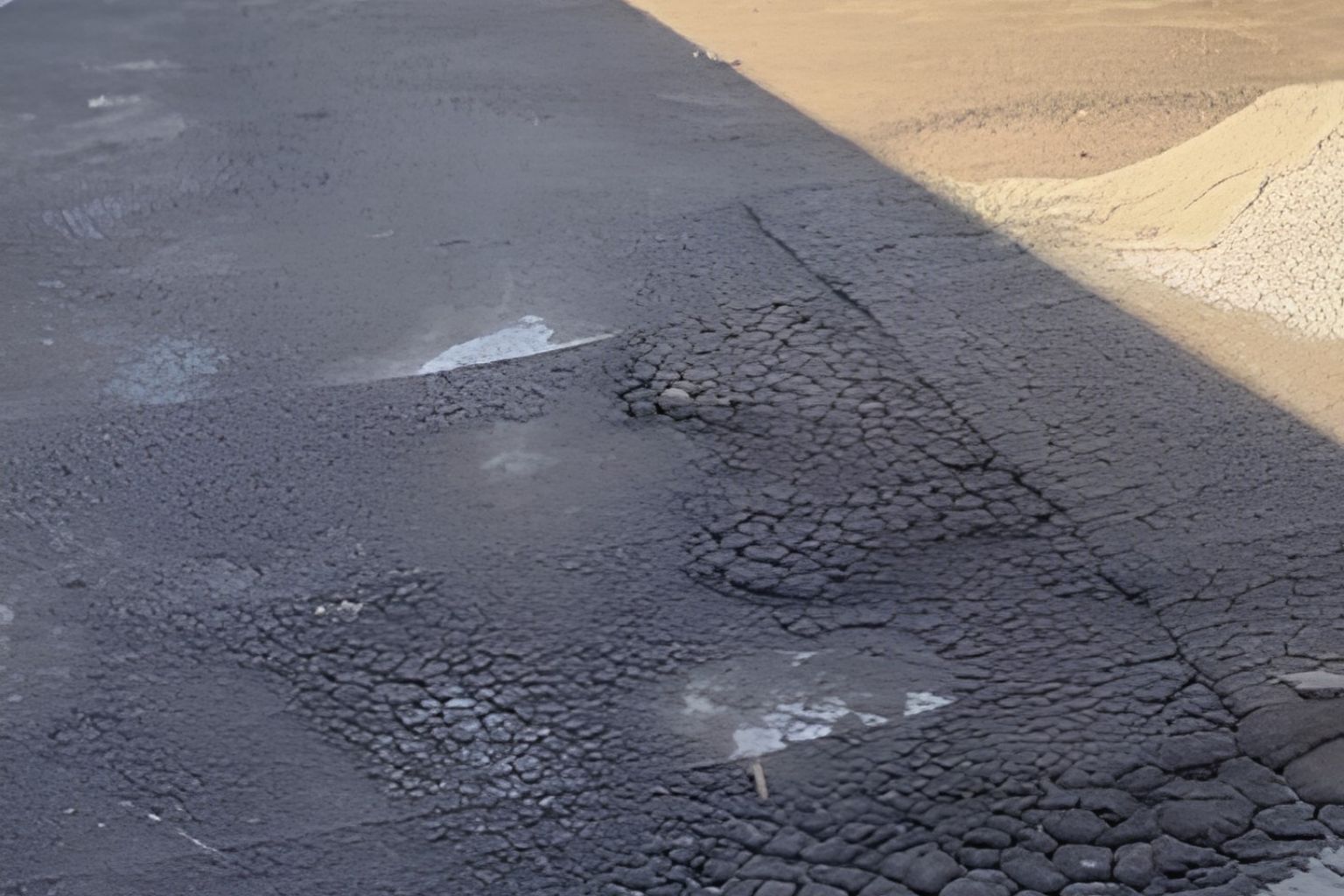
Surface rust can sometimes be addressed. Structural rust is a different story (we’ll cover that below).
A coating system is designed to seal and protect these points when the roof is still sound.
Why Wisconsin is harder on a metal roof than the spec sheet assumes
Most metal roof coating articles are written for a national audience. Wisconsin is not a national average.
Look back at that list. The top two — fasteners backing out and seams separating — are the two we run into most, and they are not two separate problems. They are the same problem showing up in two places.
Your panels move about half an inch a year, then move back
Steel expands and contracts with temperature. That is not an opinion, it is a constant: roughly 6.5 millionths of an inch, per inch of panel, per degree Fahrenheit.
Run it against a real western Wisconsin roof. A metal panel sits around -10°F on a clear January night. That same panel, in full July sun, hits about 150°F at the surface. A 160-degree swing, every year.
On a 40-foot panel run, that is about half an inch of movement. On a 100-foot run, more than an inch.
Now put a fastener through it. Every year that fastener gets pushed and pulled a half inch, and the hole it sits in gets a little wider. Do that for fifteen or twenty winters and you understand why fasteners are the number one leak source on an aging metal roof — and why it is almost never the panel itself that failed.
Seams are the same story. A seam is where two panels that are both moving meet each other. Something has to give, and eventually it does.
That is the real argument for coating a metal roof instead of chasing leaks one at a time. Re-screwing a fastener fixes today. A coating system that reinforces the fastener line and the seams addresses the movement that keeps causing it.
Around 40 freeze-thaw cycles a year, every year
The Great Lakes region averages roughly 42 freeze-thaw cycles a year — times the temperature crosses 32°F and comes back. That is a regional average rather than an Eau Claire-specific count, but it is the right order of magnitude for western Wisconsin.
Every one of those cycles is a chance for water that worked into a seam, a lap, or a fastener hole during the day to freeze overnight. Water expands about 9 percent when it turns to ice. It does not care what your seam was rated for.
This is why a small opening on a Wisconsin metal roof does not stay small. In a mild climate a pinhole can sit there for years doing nothing. Here it gets pried a little further open every winter.
Ice damming is worse on low slope than most people expect
Ice damming gets written about as a house problem — icicles hanging off an eave, a stain on a bedroom ceiling. On a low-slope or flat metal roof it is a bigger problem, and it works differently.
On a steep roof, meltwater runs off before it can do much. On low slope, it crawls. Heat escaping the building, or midday sun on the panel, melts snow out on the field of the roof. That water travels slowly toward the edge — and the edge is the coldest part of the roof, because there is no building heat underneath it. It refreezes there.
Now you have a dam, and water backing up behind it.
Here is why that hits metal harder than membrane. A metal roof sheds water downhill. Every lap, every seam, every fastener is designed with gravity doing the work. Standing water defeats all of it. Water that is sitting still and backing up gets into openings that would never leak in a rainstorm.
Then it freezes overnight and pries them a little wider.
Snow does not come off metal gradually
Metal sheds snow in sheets. It builds up, the panel surface warms slightly, and then the whole thing releases at once.
That is mostly a good thing — it is part of why metal handles snow load well. But when a roof’s worth of snow lets go at the edge, it can take gutters with it. If your gutters get bent or torn loose every couple of winters and you have been treating that as a gutter problem, it is worth a look as a roof-edge problem instead.
When a metal roof coating is a great idea
- A metal roof coating is usually the right move when your roof is:
- Structurally solid (deck and framing are sound)
- Experiencing leaks at details, not widespread system failure
- Showing normal aging, but not severe deterioration
- A good candidate for restoration to avoid disruption and reduce cost
The biggest advantage: extend life without the tear-off
Commercial roof replacement is expensive, and disruptive. Coating can be a smart middle path when you want:
- Lower upfront investment
- Faster project timeline
- Less disruption (less mess, noise, debris)
- A roof that’s protected for years with proper maintenance
When metal roof coating is NOT the right solution
Coating the wrong roof is spending money to delay the inevitable.
A metal roof is usually a poor coating candidate when the panels or deck have structural failure, when rust is deep and widespread rather than surface oxidation, when movement or impact damage is extensive, when the insulation underneath is saturated, or when so many details have failed that you’re rebuilding the roof anyway.
That call deserves more than a bullet list. The full framework is five pass-fail checks — panels, fasteners, seams, insulation, and how long you plan to keep the building: Coat or replace a metal roof? 5 checks that decide
Ag metal is a different animal
Everything above is about commercial and industrial metal — warehouses, shops, manufacturing, retail. Agricultural metal is its own category, and the honest answer there is usually different.
We do coat ag metal. But on the ag roofs we look at, rust is almost always the deciding factor — and rust is the one condition a coating cannot fix. A coating goes over a roof that is still sound, to keep it sound. It does not bring back steel that is already gone.
So on ag buildings, coating is rarely the answer. That is not us talking ourselves out of work. It is us telling you the truth before you spend money on a system that will fail early on a roof that was past coating to begin with.
If you have a barn, shop, or ag building with a rusting metal roof, get it looked at. You will get a straight answer on whether coating is even on the table — and if it is not, what actually makes sense instead.
The process: what a real metal roof coating job should include
If you want a coating system that lasts, here’s what should happen (at a high level):
1) Inspection and evaluation
- Before anyone quotes a coating, you need to confirm:
- The roof’s condition
- Where leaks are starting
- Whether rust is cosmetic or structural
- What repairs are required before coating
2) Surface prep
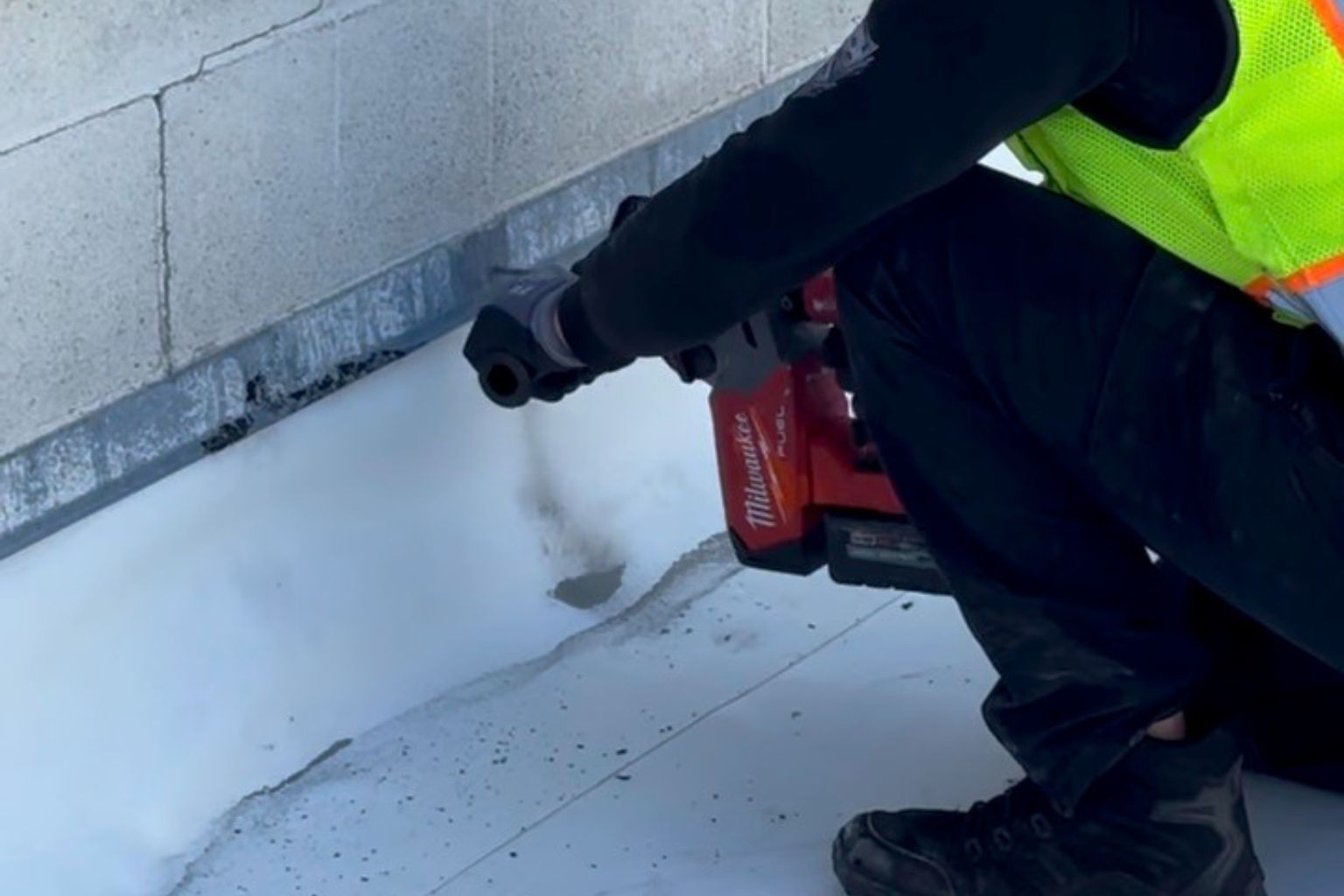
Prep is everything. If prep is rushed, the coating fails.
This may include:
- Power washing / cleaning
- Removing loose oxidation
- Proper surface drying and detailing prep
3) Repairs + reinforcement at failure points
A quality system addresses:
- Fasteners (tighten/replace + seal)
- Seams and laps (reinforcement)
- Penetrations (boots, curbs, transitions)
- Edge metal and termination details
4) Primer (if needed)
Depending on the roof condition and coating type, priming may be required for proper adhesion.
5) Coating application
Coating gets applied to create a continuous protective membrane over the roof surface.
The quality of the job comes down to:
- Proper mil thickness
- Detail work
- Even application
- Correct cure conditions
In Wisconsin, the coating season is short. Plan around it.
Roof coatings are not a year-round product in this climate, and any contractor who tells you otherwise is setting up a callback.
Acrylic (water-based) coatings need to go down at 50°F and rising, with no freeze coming before they cure. Silicone is more forgiving on the low end, but no coating belongs on a roof that is below freezing — you cannot see the moisture sitting on the surface, and you will seal it in under the system.
In practice, our coating season in western Wisconsin and eastern Minnesota runs from early May to mid-October. Both ends move with the weather. A cold, wet spring pushes the start back. A warm fall buys a couple of extra weeks.
What that means for your schedule
Here is the part building owners miss.
If your roof starts leaking in November, you are not getting it coated in November. You are getting a temporary repair and a spot on next season’s schedule — and next season starts in May. That is a six-month wait with a patched roof going through the worst part of the year.
If you already know your roof is going to need work, the time to have it looked at is the fall before, not the spring of. A fall inspection gets you a real number, a real plan, and a place on the schedule before the season fills. A spring phone call puts you in line behind everyone who called in the fall.
How long does metal roof coating last?
This depends on:
- Roof condition at the start
- Prep and repair quality
- Coating type and application thickness
- Ongoing maintenance and inspections
In the real world, a good system can deliver meaningful life extension, especially when paired with regular inspections to catch issues before they become leaks again.
The wrong system (or bad prep) can fail early. That’s why the evaluation and detail work matter more than marketing promises.
Metal roof coating cost: what affects pricing?
A lot of people want a simple number, but metal roof coating cost depends on the roof you’re trying to restore.
Here are the biggest drivers:
1) Roof size and complexity
A big simple roof is easier than a smaller roof with tons of penetrations.
2) Condition of the roof
More rust, more repairs, more prep = higher cost.
3) Number of details
Penetrations, curbs, skylights, wall transitions: these are labor-heavy.
4) Access and safety requirements
Occupied facilities, height, staging needs, access limitations.
5) The coating system itself
Different systems and thickness levels affect material and labor.
The right way to think about it:
Don’t compare coating quotes like commodity paint. Compare:
- prep scope
- seam/fastener reinforcement plan
- detail work
- thickness/spec
- warranty/inspection expectations
Biggest benefits for commercial building owners
1) Less disruption
Coating projects typically avoid the chaos of a full tear off.
2) Strong ROI
If you can extend roof life and reduce leak risk for years, that’s often a better financial move than replacing early.
3) Protection from weather and deterioration
Coatings can help stabilize aging roofs and reduce future wear.
4) A smarter bridge to replacement timing
Sometimes the goal isn’t “never replace the roof.”
It’s “don’t replace it this year, and don’t gamble with leaks while we plan.”
A coating can help you buy time the right way.
What to do next: the simplest path to a correct decision
If you’re considering a metal roof coating, don’t start with “What’s the price per square foot?”
Start with: Does this roof qualify?
Here’s the simplest plan:
- Schedule a commercial roof inspection
- Identify the actual failure points (fasteners, seams, penetrations, transitions)
- Confirm roof condition and rust severity
- Get two options if applicable:
- Restore/coating plan
- Replacement plan (if coating isn’t smart)
That’s how you avoid paying for the wrong solution.
If you want the service side of this — how we scope a metal roof restoration, what we look at, and what we will and won’t recommend — see our commercial metal roof coatings page.
Want to know if your metal roof is a coating candidate?
Request a Commercial Roof Inspection and get a straightforward plan you can budget around.
American Eagle Roofing & Coating can inspect your commercial metal roof and give you a clear recommendation, restore with a metal roof coating system or plan for replacement if that’s the smarter move. Schedule your FREE Commercial Roof Inspection today!
Metal Roof Coating FAQs
Can you coat over a rusty metal roof?
Sometimes. Light surface oxidation can often be addressed with proper prep. Deep, widespread corrosion that compromises the roof system may require replacement.
Will a metal roof coating stop leaks?
If the leaks are coming from typical failure points (fasteners, seams, penetrations) and the roof is a good candidate, a properly installed coating system can significantly reduce leak risk.
How do I know if I need replacement instead of coating?
Five things decide it: the panels, the fasteners, the seams, whether the insulation is dry, and how long you plan to keep the building. We walk through each one here — Coat or replace a metal roof? 5 checks that decide. A free inspection confirms which side you’re on.