Commercial Roofing Solutions for Wisconsin & Minnesota
Coatings, restoration, and inspections for every flat roof system in the upper Midwest.
If you own or manage a commercial building in Western Wisconsin or Eastern Minnesota, your roof is under more stress than you probably realize. Freeze-thaw cycling, heavy snow loads, ice damming, and UV exposure work against every flat roofing system in this region — and they don't stop because your warranty says 20 years.
This page is the starting point. It covers the major commercial roofing systems, how to decide which one is right for your building, what things actually cost, and when it makes sense to coat, restore, or replace. It also links to every in-depth guide we've published so you can go as deep as you need on any topic.
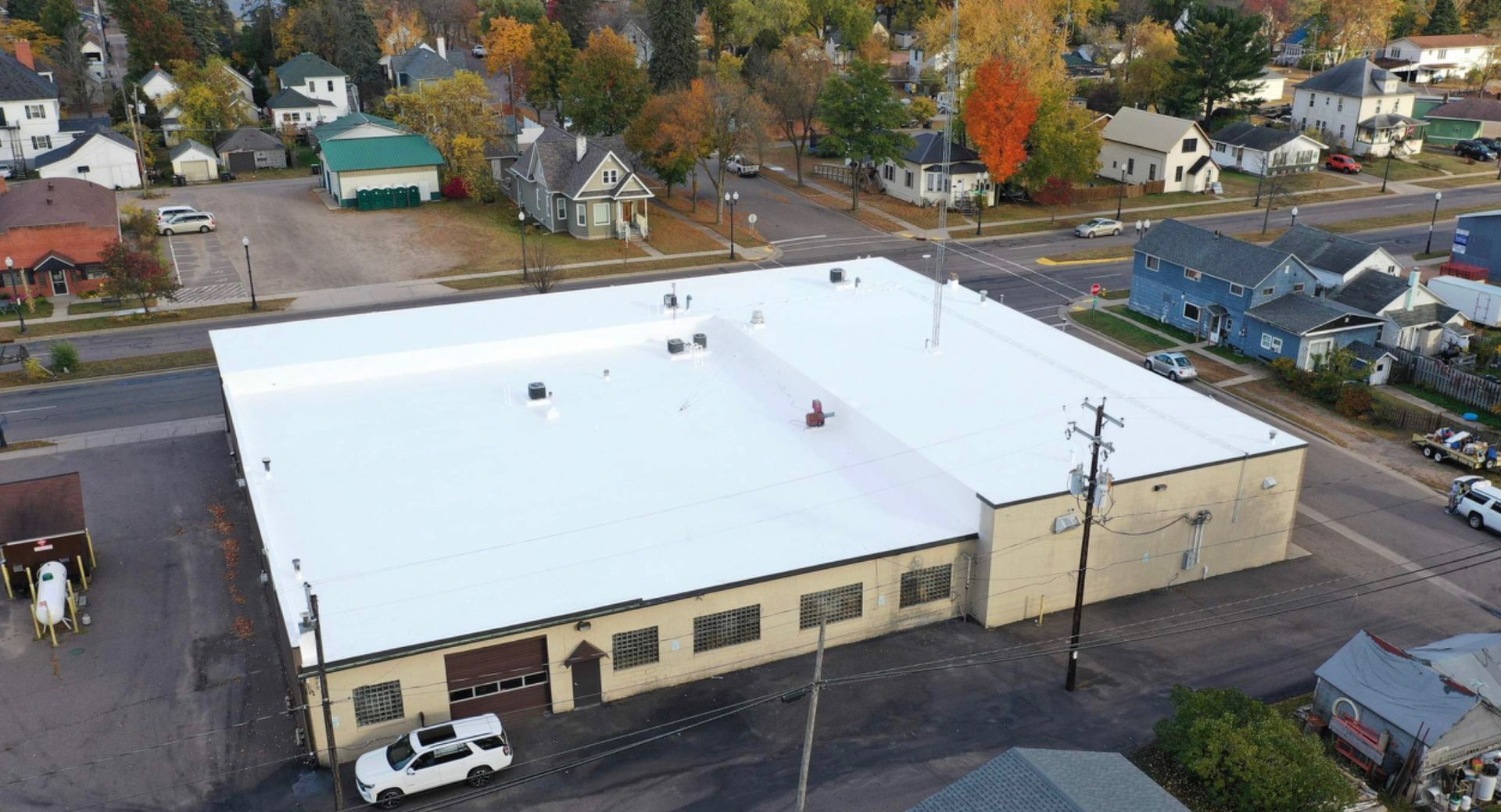
American Eagle Roofing serves commercial buildings throughout the St. Croix Valley, Chippewa Valley, and the Western WI / Eastern MN corridor. We specialize in roof coatings, fabric-reinforced restoration, single-ply membrane systems, and commercial roof inspections.
Everything starts with understanding what's on your roof and what condition it's in.
What types of commercial roofing systems are used in Wisconsin and Minnesota?
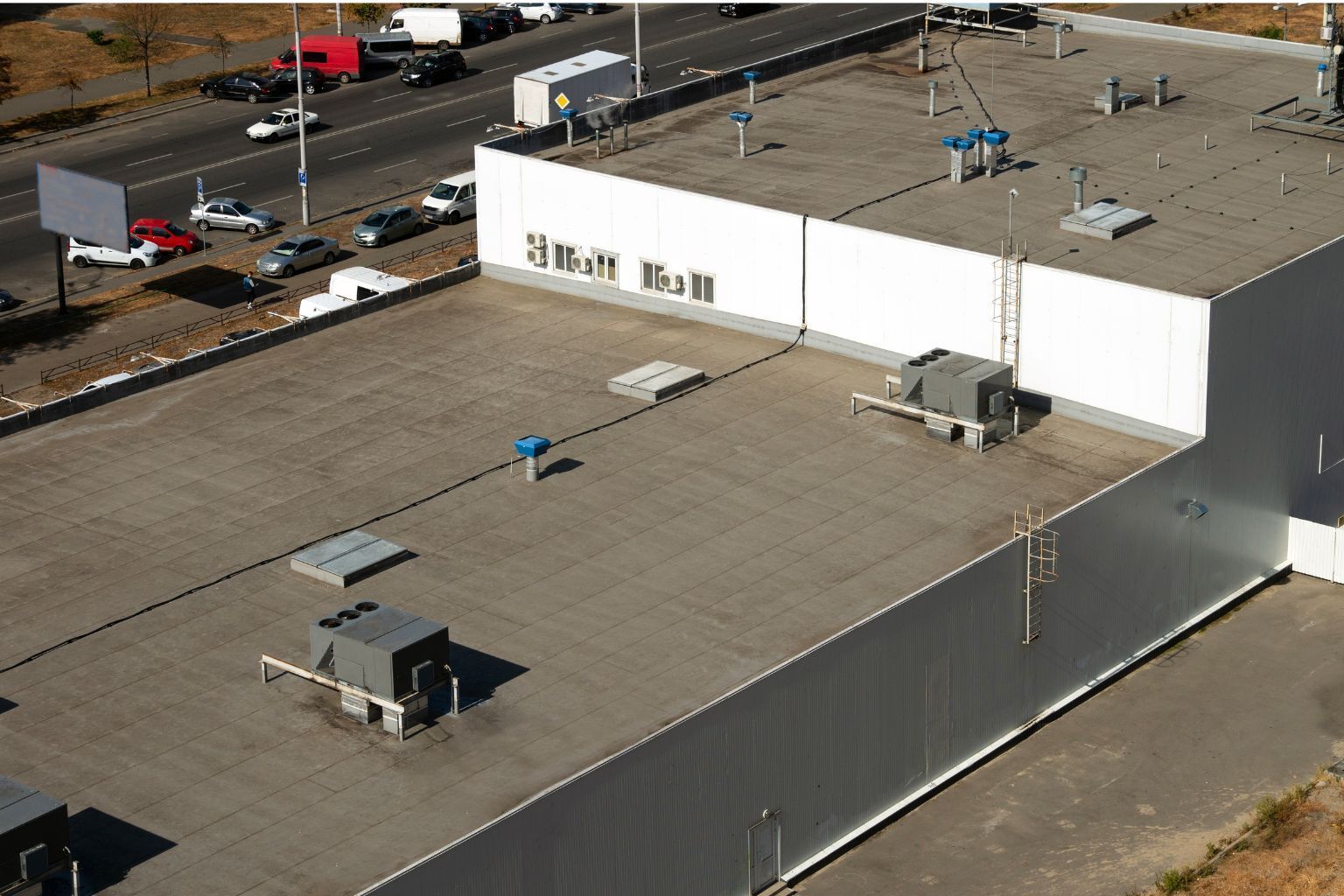
There are four primary flat roofing systems on commercial buildings in this region. Each has different strengths, lifespans, failure modes, and restoration options.
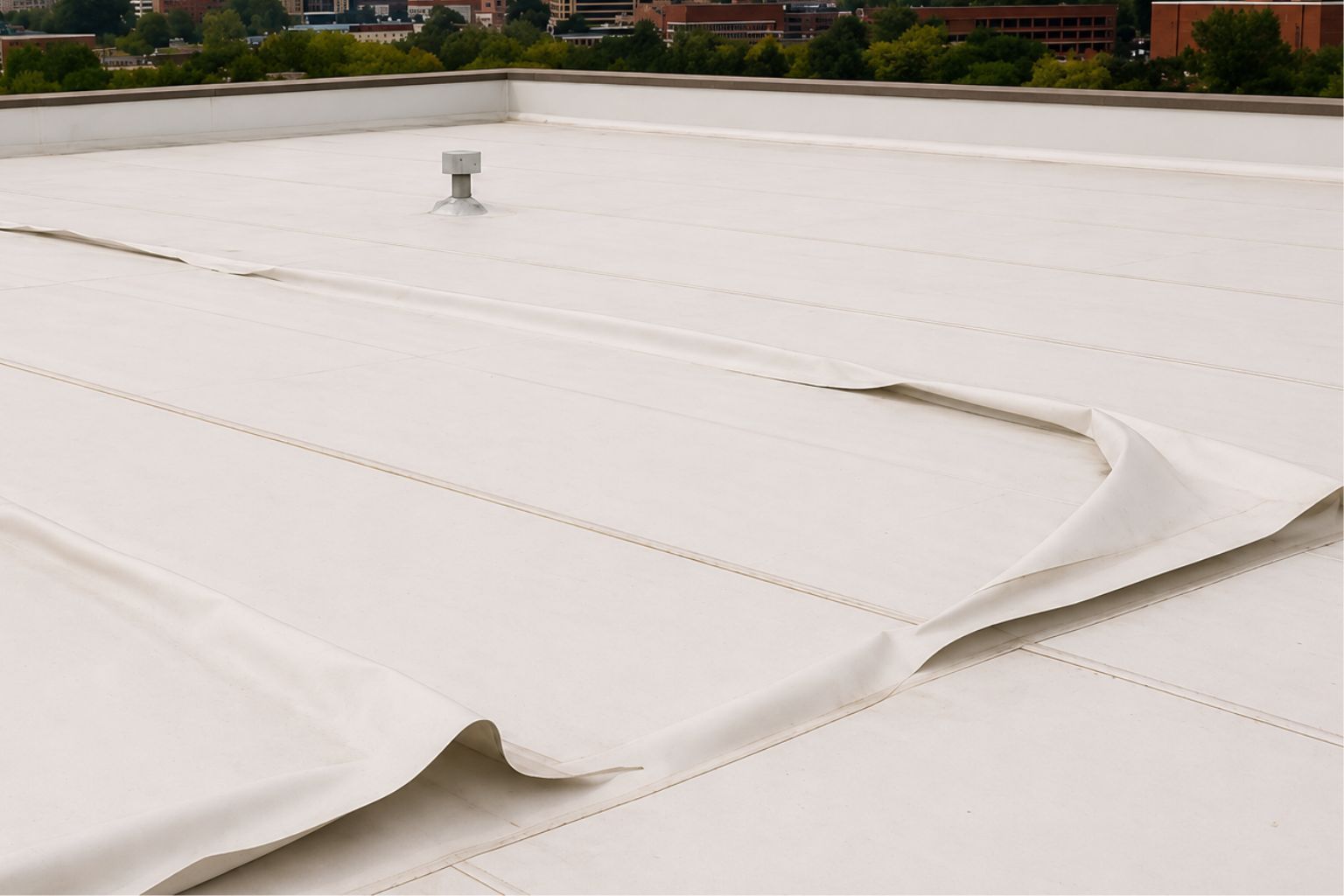
Single-ply membrane (TPO, EPDM, PVC) The most common system on commercial buildings built or re-roofed in the last 30 years. A single sheet of synthetic material heat-welded or adhered to the roof deck. TPO and PVC are white, reflective, and energy-efficient. EPDM is black rubber — durable but absorbs heat. Each performs differently in WI/MN winters and has different failure patterns. Our TPO vs EPDM vs PVC decision matrix breaks down the differences side by side.
When a single-ply system ages but hasn't catastrophically failed, it may be a candidate for restoration rather than tear-off. See our full guide to single-ply membrane roofing systems for details on when restoration is viable vs. when replacement is the only option.
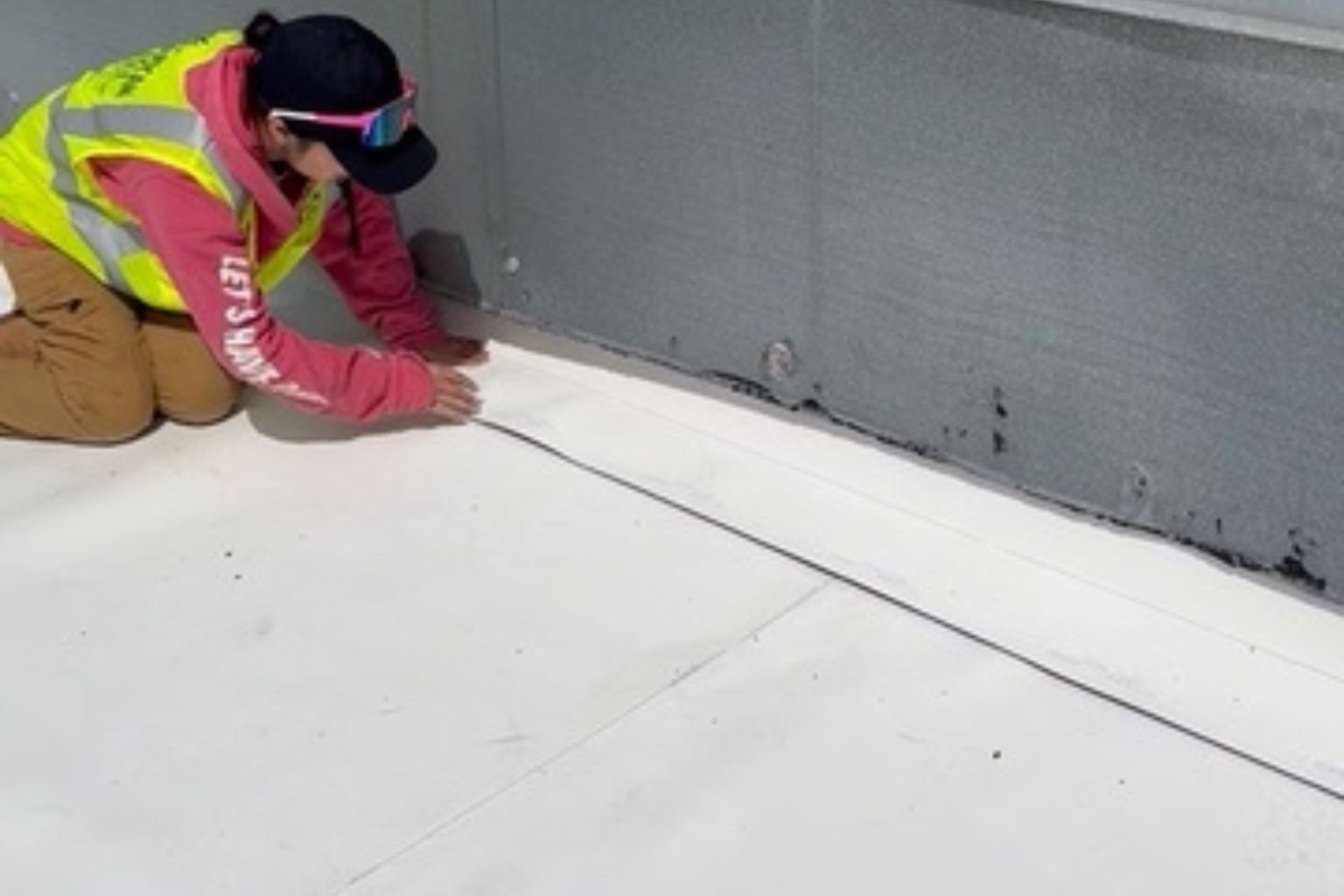
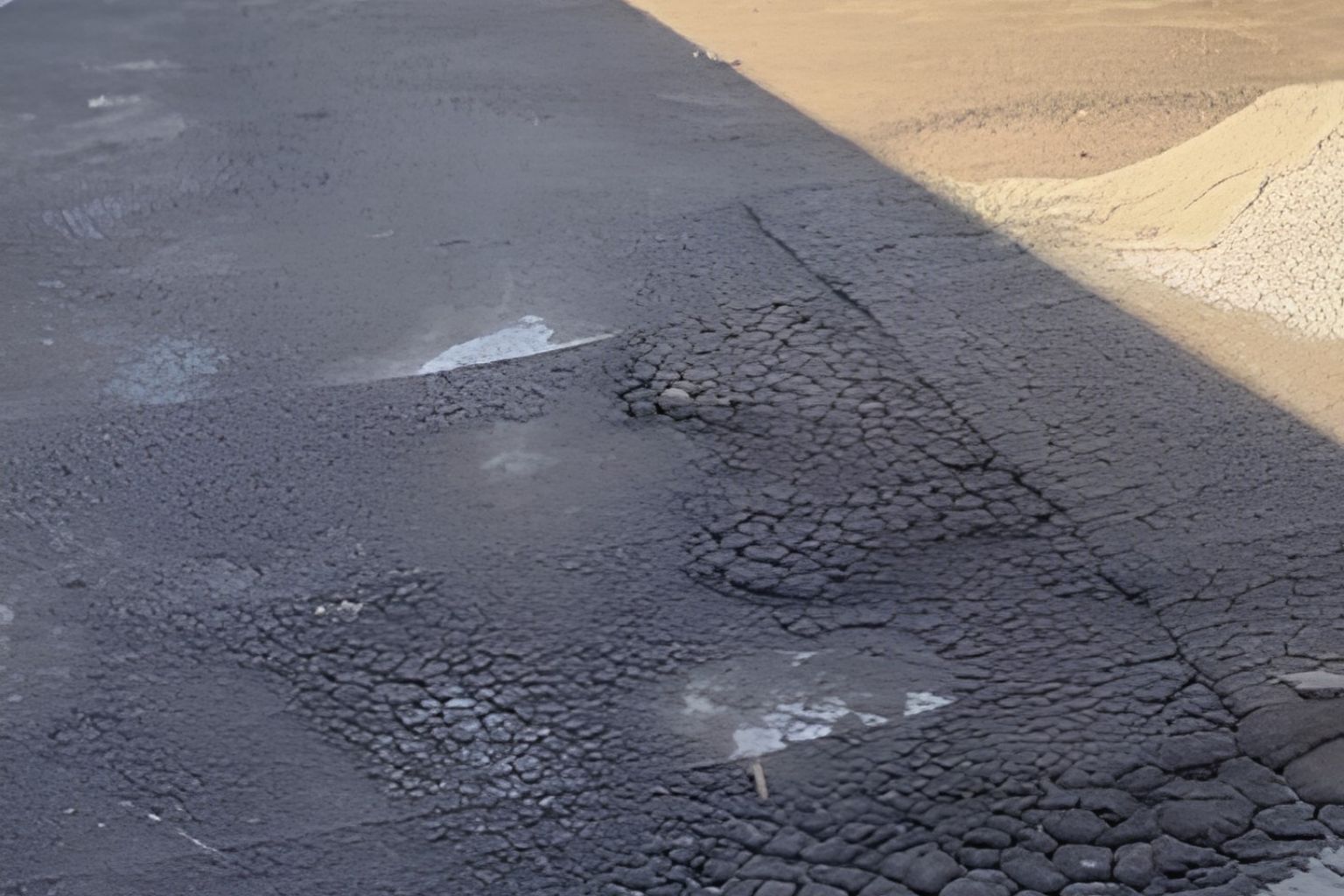
Fabric-reinforced roofing systems This is the strongest asset in our service lineup and one of the least understood options in the market. A fabric-reinforced system applies a reinforcing fabric layer embedded in coating over your existing roof surface. It bridges cracks, seals seams, and creates a new monolithic waterproof membrane — without tearing off the old roof.
It's ideal for aging roofs that have localized failures but an intact deck and insulation. It extends roof life 15-20 years at a fraction of replacement cost. Not every roof is a candidate — but when it fits, it's the smartest money you'll spend. Full details on our fabric-reinforced roofing systems page.
Not sure whether fabric-reinforced or single-ply is the right fit? Our comparison guide walks through the decision logic. And because honesty matters more than sales: fabric-reinforced isn't always the answer. Our guide on when fabric-reinforced roofing is the wrong choice covers the situations where it doesn't make sense — so you don't waste money on the wrong solution.
Metal roof coatings Metal roofs are common on commercial buildings in this region — warehouses, manufacturing facilities, agricultural buildings. They last decades structurally, but the surface corrodes, fasteners loosen, and seams leak long before the metal itself fails. A roof coating seals the surface, stops corrosion, eliminates leak paths at seams and fasteners, and reflects heat. Full details on our metal roof coatings page.
The decision between coating a metal roof and replacing it depends on the extent of corrosion, structural condition, and remaining useful life. Our guide on whether to coat or replace your metal roof lays out the criteria. If you want to understand the numbers, see our breakdown of metal roof coating costs and ROI.
Built-up roofing (BUR) and modified bitumen Older commercial buildings may have multi-layer built-up systems. These are durable but heavy, and repairs are more complex. When a BUR system fails, the options are typically coating over it (if the substrate is sound) or full removal and replacement with a modern system. Fabric-reinforced restoration works particularly well over modified bitumen because the reinforcing fabric bridges the existing surface irregularities.
How do you choose the right commercial roofing system?
The right system depends on four things: what's already on your roof, what condition it's in, what your budget allows, and how long you plan to own the building.
Here's the decision logic we walk through with every building owner and facility manager:
If your roof is under 15 years old and has isolated problems repair. Spot-fix seams, flashings, and penetrations. No system change needed.
If your roof is 15-25 years old with widespread but not catastrophic issues restoration. This is where coatings and fabric-reinforced systems save serious money. You avoid the cost and disruption of tear-off while getting 15-20 more years of reliable service.
If your roof has saturated insulation, structural deck damage, or code violations replacement. No coating or restoration system can fix what's underneath. You need a new roof assembly.
If you don't know which category your roof falls into inspection. That's literally what inspections are for. We look at the membrane, insulation, deck, drainage, and structural condition, then tell you which path makes sense. See our page on commercial roof inspections or grab our 12-point inspection checklist and walk the roof yourself.
What does commercial roofing cost in Wisconsin and Minnesota?
Every commercial roofing project is different. Costs depend on the system type, roof condition, building size, number of penetrations, access complexity, and how much prep work the existing surface needs. Giving a meaningful number without seeing the roof isn't possible — and any contractor who quotes sight-unseen is guessing.
What we can tell you is the general cost hierarchy:
Roof coatings are the least expensive option. Best for roofs in fair condition that need weather protection renewed. Adds 10-15 years of service life.
Fabric-reinforced restoration costs more than a basic coating but significantly less than full replacement. Includes reinforcing fabric that bridges cracks and seam failures. Adds 15-20 years.
Single-ply membrane replacement (TPO, EPDM, PVC) is the most expensive option — it includes tear-off, disposal, new insulation, and new membrane. Full system replacement with 20-30 year warranty.
Metal roof coating falls at the lower end of the spectrum and costs a fraction of full metal panel replacement. Seals fasteners, seams, and surface corrosion. Adds 10-15 years.
The gap between restoration and replacement is substantial on most commercial buildings. That gap is why inspections matter — if restoration is viable, it saves real money. Our metal roof coating cost and ROI guide goes deeper on the value case for metal buildings specifically.
How does the WI/MN climate affect commercial roofing decisions?
This region is harder on flat roofs than most of the country. The combination of factors matters more than any single one:
Freeze-thaw cycling Between November and April, temperatures swing above and below freezing 50-80 times. Every cycle stresses seams, expands trapped moisture, and cracks aging membranes. This is the primary cause of seam failure and membrane cracking on commercial roofs in our area.
Snow load Sustained heavy snow compresses insulation and deflects decking. When it melts, new low spots pond water for the first time. Buildings designed to older snow load codes are especially vulnerable.
Ice damming Ice builds against parapets, around drains, and at low points. It displaces coping caps, cracks mortar, and tears membrane as it shifts during thaw. Our guide on what to inspect after a WI/MN winter covers the specific damage patterns.
UV exposure in summer — Single-ply membranes (especially EPDM) degrade under sustained UV. WI/MN summers aren't Arizona, but 15 years of exposure still matters.
Thermal cycling Roof surfaces swing from -20°F in winter to 150°F+ in direct summer sun. That 170-degree range creates enormous expansion and contraction stress on every material, seam, and flashing on the roof.
All of this means: roofing systems in this region age differently than in moderate climates. A 20-year membrane in Georgia might last 25 years. That same membrane in Western Wisconsin might show significant degradation at 12-15 years. Don't assume your roof is fine because the warranty hasn't expired.
When should you coat, restore, or replace a commercial roof?
This is the most expensive question to answer wrong.
Coat when the membrane is intact but the surface is degrading UV damage, minor weathering, early-stage corrosion on metal. A coating renews the weathering surface without touching the underlying system. Best for roofs in fair condition with no active leaks.
Restore when the roof has active problems failed seams, localized leaks, moderate membrane damage but the insulation and deck are dry and sound. Fabric-reinforced systems and comprehensive coating systems can bridge failures and create a new waterproof layer over the existing roof. This is the sweet spot for saving money.
Replace when the insulation is saturated, the deck is compromised, or the damage is so widespread that covering it up would be irresponsible. Sometimes the honest answer is: this roof needs to come off. We'll tell you that if it's true.
The only way to know which category your roof falls into is to look at is not from the ground, and not with assumptions based on age alone. A well-maintained 25-year-old roof might be a restoration candidate. A neglected 12-year-old roof might need replacement. Condition determines the path, not calendar age.
How does the commercial roof inspection process work?
Every service we provide starts with an inspection. We don't quote work we haven't seen, and we don't recommend solutions before we understand the problem.
Here's what happens:
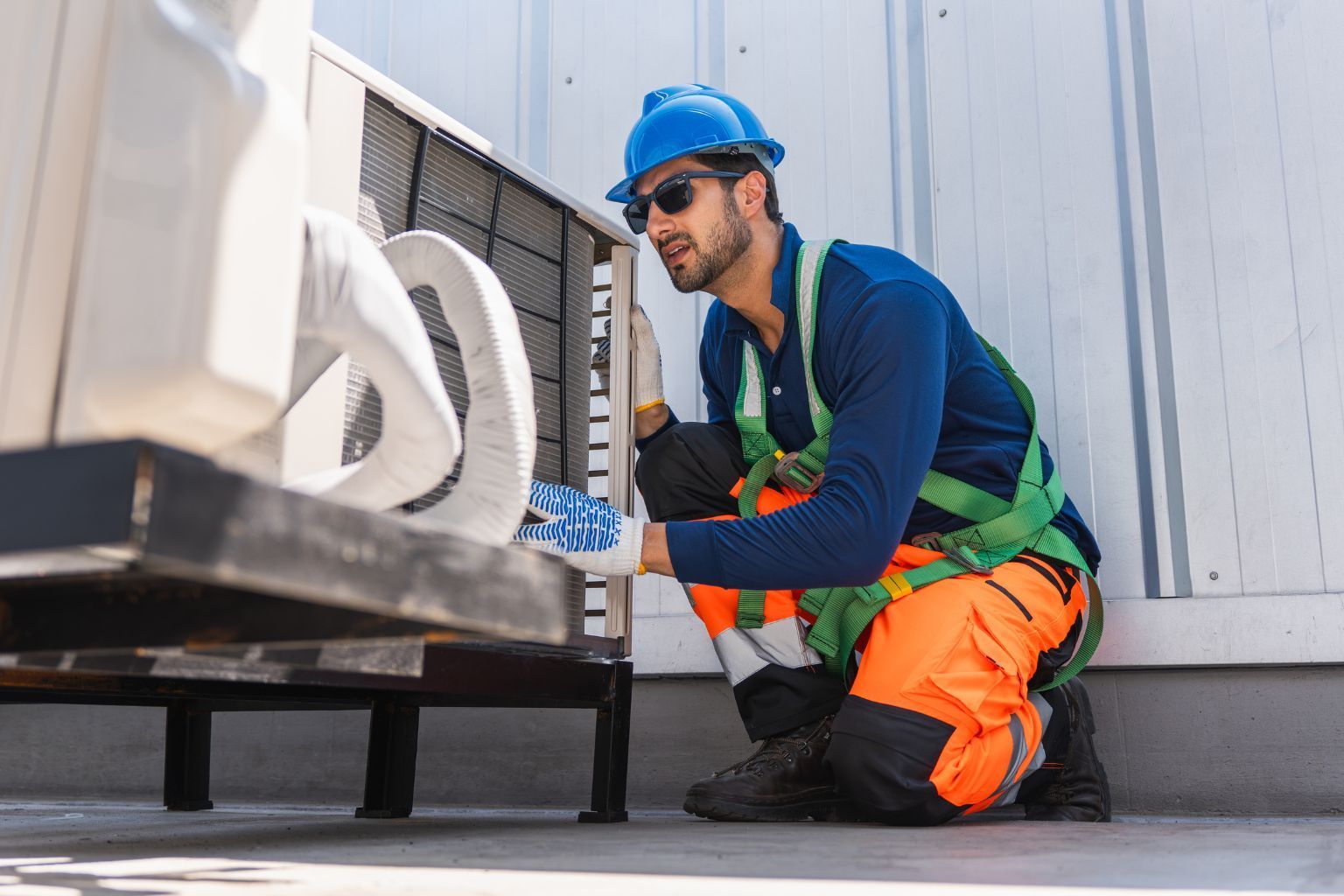
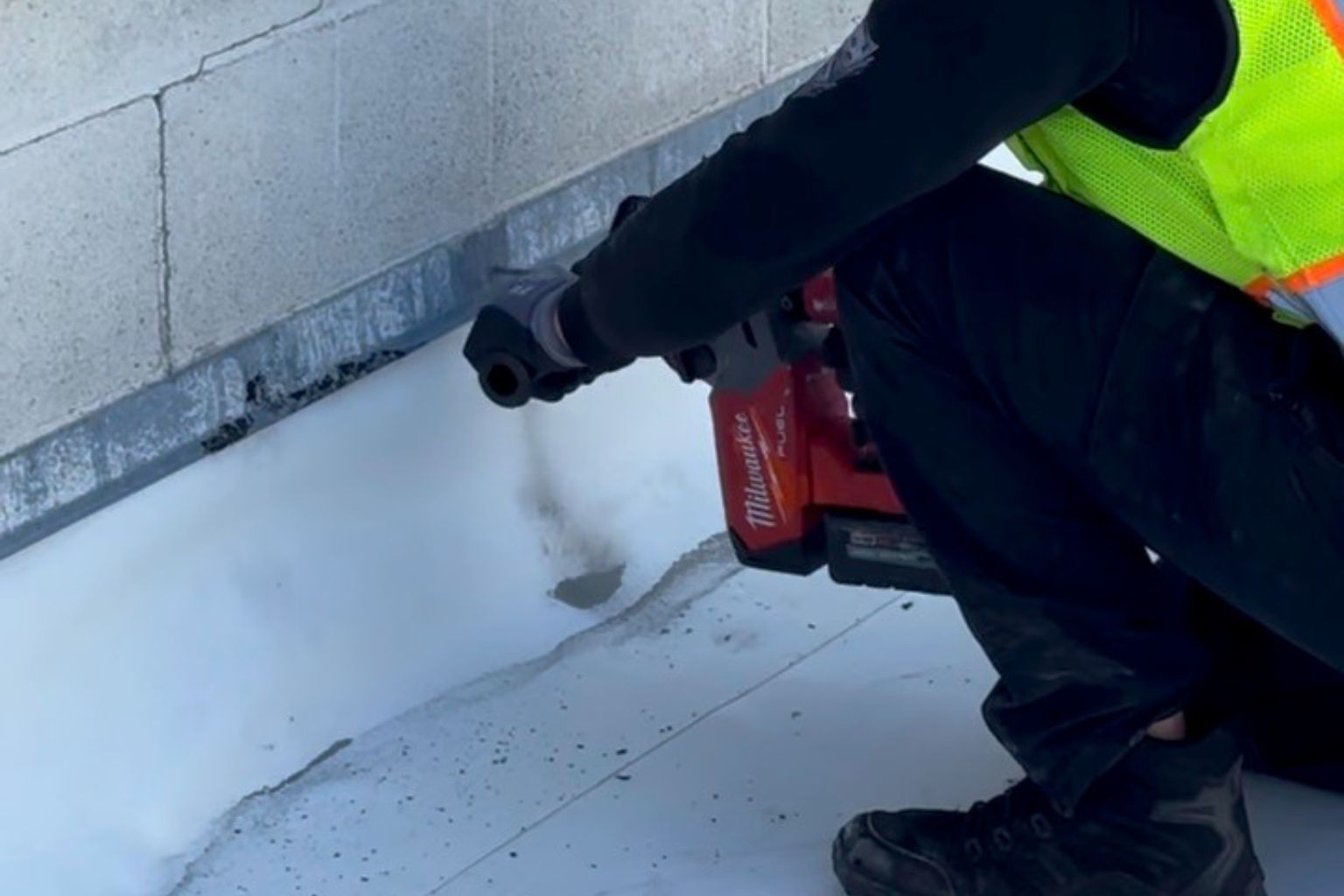
1. We walk the roof. Every square foot. We check membrane condition, seam integrity, flashing, penetrations, drainage, and all rooftop equipment. We check the interior for leak evidence. We probe seams and check for soft spots that indicate wet insulation.
2. We document everything. Photos of every finding, good and bad. You'll see exactly what we see.
3. We deliver a condition report. Written summary of findings with clear recommendations — repair, restore, or replace and why. No surprises, no hidden agenda. If your roof is fine, we'll tell you that.
4. If work is needed, we provide options. Multiple approaches with cost ranges so you can make an informed decision based on your budget, timeline, and long-term plans for the building.
The inspection is free for commercial buildings in our service area. It takes 1-3 hours depending on building size. You get the report within a few business days.
For a preview of what we check, download our commercial roof inspection checklist or read our guide on what to look for after a WI/MN winter.
What areas does American Eagle Roofing serve?
We serve commercial buildings throughout Western Wisconsin and Eastern Minnesota, including:
Tier 1 service areas (primary coverage): Hudson WI, New Richmond WI, Clear Lake WI, Osceola WI, Somerset WI, Baldwin WI, Stillwater MN, Menomonie WI, Chippewa Falls WI, Maplewood MN, Saint Paul MN
Tier 2 service areas: Amery WI, St. Croix Falls WI, Turtle Lake WI, Barron WI, River Falls WI
Tier 3 service areas (extended coverage): Eau Claire WI, Woodbury MN, Minneapolis MN, Cottage Grove MN
If your building is in the Western WI / Eastern MN corridor, we can get to you. If you're not sure whether you're in our service area, call us — if we can't help, we'll tell you.
Most of our work concentrates in the St. Croix Valley and Chippewa Valley corridors — the stretch from Stillwater and Hudson east through New Richmond, Clear Lake, and out to Chippewa Falls and Menomonie. This region has a heavy concentration of manufacturing, warehousing, and commercial retail buildings with flat roofs that are 15-30 years old — exactly the buildings that benefit most from coating and restoration work rather than full replacement.
We also serve the eastern Twin Cities metro — Maplewood, Woodbury, Cottage Grove, and Saint Paul — particularly for larger commercial projects where our coating and fabric-reinforced expertise isn't readily available from local contractors who primarily do residential work.
What are the most common commercial roofing mistakes building owners make?
After inspecting hundreds of commercial roofs across this region, we see the same costly mistakes repeated. Avoiding them saves more money than any single roofing decision.
Waiting too long to inspect. The most expensive roofing problem is the one you didn't know about. A minor seam repair in March becomes a major insulation replacement in September because nobody walked the roof after winter. Building owners who inspect twice a year — spring and fall — spend dramatically less on roofing over a 10-year period than those who wait for leaks to appear.
Getting a replacement quote without exploring restoration. Some roofing contractors only offer tear-off and replacement because that's all they do. If the first quote you get is for full replacement, get a second opinion from a contractor who also offers coating and restoration systems. If your deck and insulation are sound, restoration might get you another 15-20 years at a fraction of the replacement cost. That's not cutting corners — that's making an informed decision.
Hiring based on the lowest bid alone. In commercial roofing, the lowest bid is often the lowest-quality installation. Improper surface preparation, insufficient coating thickness, skipped primer coats, and inadequate seam detailing all save the contractor money and cost you the warranty. Ask what's included, ask about surface prep, and ask for references on buildings they coated 5+ years ago.
Ignoring drainage. A perfectly installed membrane system will fail prematurely if water ponds on it for days after every rain. Drainage isn't glamorous, but it's the single biggest factor in roof longevity. If your drains are chronically blocked or your roof has low spots that weren't there when the building was built, the drainage needs attention before any coating or restoration work happens.
Patching the same area repeatedly. If you've had the same spot repaired three or more times, the problem isn't the patch — it's something structural or systemic underneath. More sealant won't fix a deflecting deck, wet insulation, or a design flaw. Stop patching and start diagnosing.
Treating all roofing contractors as interchangeable. A contractor who specializes in residential shingle work is not qualified to restore a 30,000 square foot commercial flat roof. Commercial roofing requires different materials, different equipment, different training, and different insurance. Ask specifically about commercial experience, flat roof experience, and coating/restoration experience before you hire.
What's the next step?
If you're reading this page, you probably have a question about your roof. Maybe it's leaking. Maybe it's aging and you're wondering how much time is left. Maybe you just got a quote for a full replacement and you want to know if there's a better option.
The answer to all of those starts the same way: an inspection.
We'll look at your roof, tell you what's actually going on, and give you options that make sense for your building and your budget. If the answer is "do nothing for now," we'll tell you that too.
The inspection is free. The clarity it provides is worth more than most building owners realize until they have it.
→ Schedule your free commercial roof inspection and get a clear picture of where your roof stands — no obligation, no pressure, just information you can act on.
Frequently Asked Questions
How long does a commercial roof last in Wisconsin or Minnesota?
It depends on the system and how well it's maintained. Single-ply membranes typically last 15-25 years in this climate. Metal roofs last 30-50 years structurally but need coating or seam work at 15-20 years. Built-up roofing lasts 20-30 years. Fabric-reinforced restoration adds 15-20 years to an existing system. These numbers assume regular inspection and maintenance — neglected roofs fail earlier regardless of system type.
Is roof restoration really cheaper than replacement?
Yes — typically 40-60% less. A restoration covers the existing system with a new waterproof layer without the cost of tear-off, disposal, new insulation, or new decking. The tradeoff: restoration only works when the underlying structure is sound. If insulation is saturated or the deck is damaged, replacement is the only responsible option.
How do I know if my roof needs to be replaced or can be restored?
You need an inspection. The key factors are: is the insulation dry? Is the deck structurally sound? Is the membrane damage localized or systemic? If the answer is dry/sound/localized, restoration is almost always viable. If any of those answers is no, replacement enters the conversation.
Do you work on residential roofs?
No. American Eagle Roofing is commercial-only. We work on warehouses, manufacturing facilities, retail buildings, office complexes, multi-tenant properties, and other commercial structures. We do not service residential homes.
What's the difference between a roof coating and a fabric-reinforced system?
A coating is a liquid-applied membrane — think of it as a thick protective paint that seals and waterproofs the surface. A fabric-reinforced system embeds a physical reinforcing fabric layer within the coating, creating a structural membrane that bridges cracks, spans seam failures, and handles more movement. Coatings work for roofs in fair condition. Fabric-reinforced works for roofs with more significant damage that still have good bones underneath.
Can you work on my roof while the building is occupied?
Yes. Coating and restoration work is non-invasive — no tear-off noise, no dust entering the building, no disruption to your operations. Your building stays fully operational during the project.