Will a Coating Stick to Your Metal Roof? How the Adhesion Pull Test Works
How We Prove a Coating Will Bond Before the Job Starts
A roof coating is only as good as its bond. If it doesn't grip the roof underneath, it will peel, and a peeling coating is worse than no coating at all because water gets trapped under it.
So before we commit to a coating system on your building, we run an adhesion pull test on your actual roof. It's a simple field test, and it answers the most important question in any coating job: will this coating stay put on this roof?
Here's how it works, what a passing result looks like, and what we do when a test fails.
Why a coating can fail to bond
Every roof is different, even two metal roofs of the same age. Surface oxidation, old coatings, chalking paint, factory oils and dirt that's been baking on for years all affect how well a new coating grips.
You can't see bond strength by looking at a roof. A surface can look clean and still reject a coating. That's why the test happens on the roof itself, with the same coating and primer we'd use on the job.
How the adhesion pull test works
The test follows the method coating manufacturers publish for their own products.
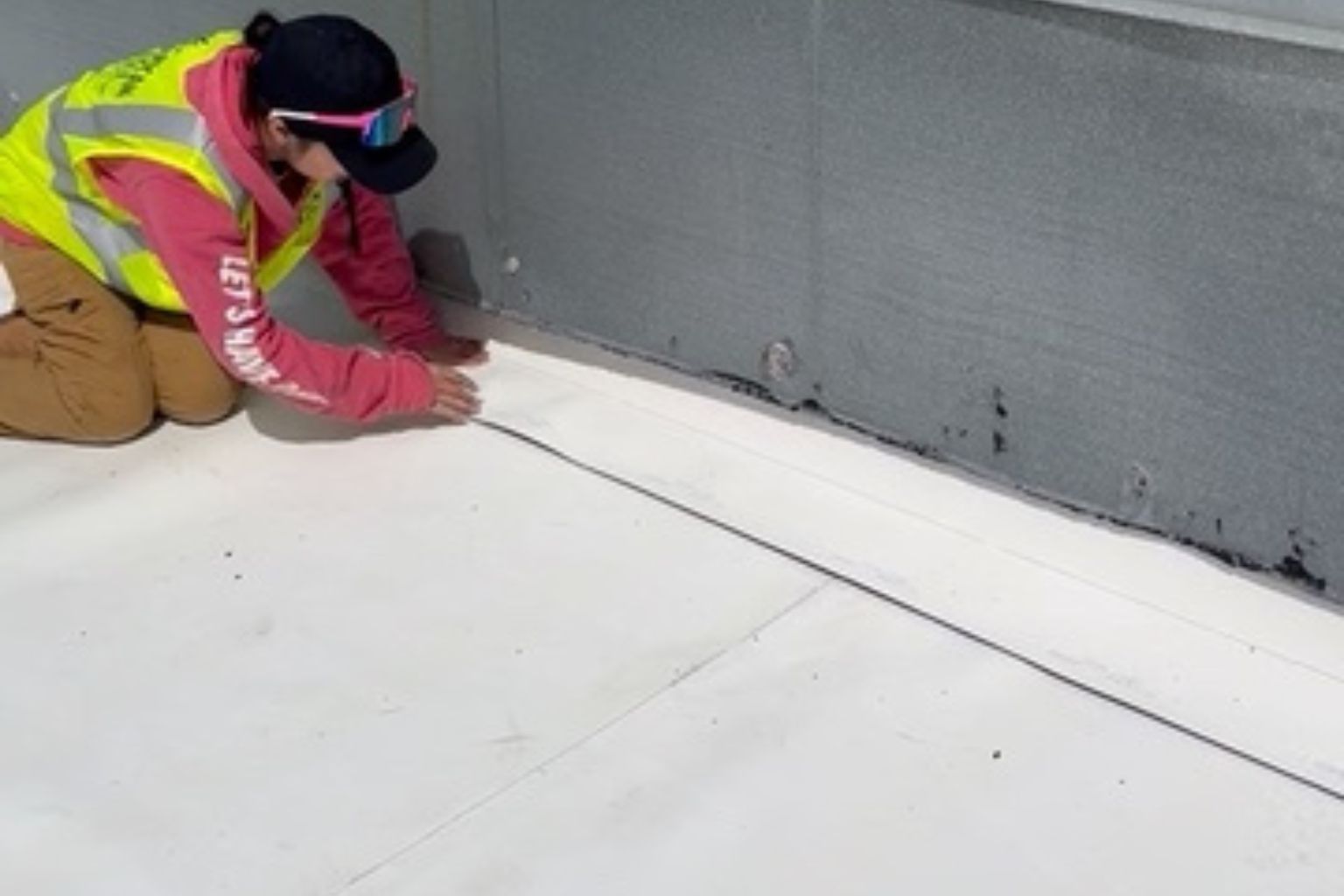
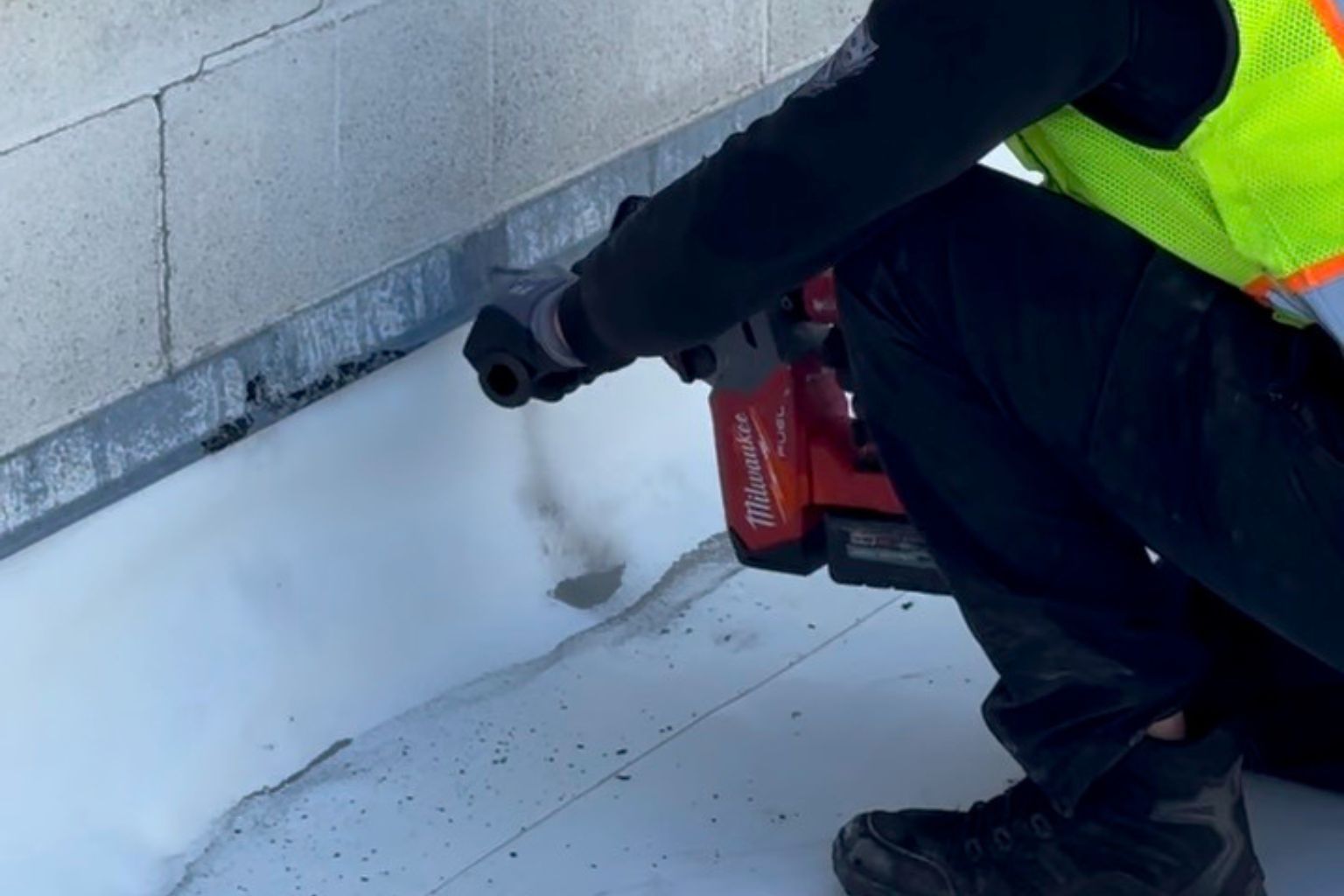
- Clean a small test area. We scrub a section about 4 by 6 inches with industrial cleaner, rinse it and let it dry completely. Loose rust and old coating come off first, the same prep the full roof would get.
- Apply the base coat. The base coat goes on the test area, plus primer if the manufacturer calls for one on that surface.
- Embed a fabric strip. We press a 1-inch-wide polyester fabric strip into the wet coating and leave a 2 to 4 inch tail hanging off the edge, uncoated.
- Apply the top coat. A second coat goes over the embedded part of the strip to saturate the fabric. The tail stays bare.
- Let it cure. Depending on the coating and the weather, curing takes anywhere from 24 hours to 7 days.
- Pull it. We knot the dry tail, hook a fish scale to it and pull straight up at a steady angle, then record the peak force before the strip lets go.
What a passing result looks like
On metal roofs, coating manufacturers generally treat roughly 4 to 6 pounds per linear inch or better as a pass.
How the strip fails tells you as much as the number:
- Good sign: the fabric tears out of the coating, or the coating stays firmly stuck to the metal. Either way, the bond to the roof is stronger than the coating itself.
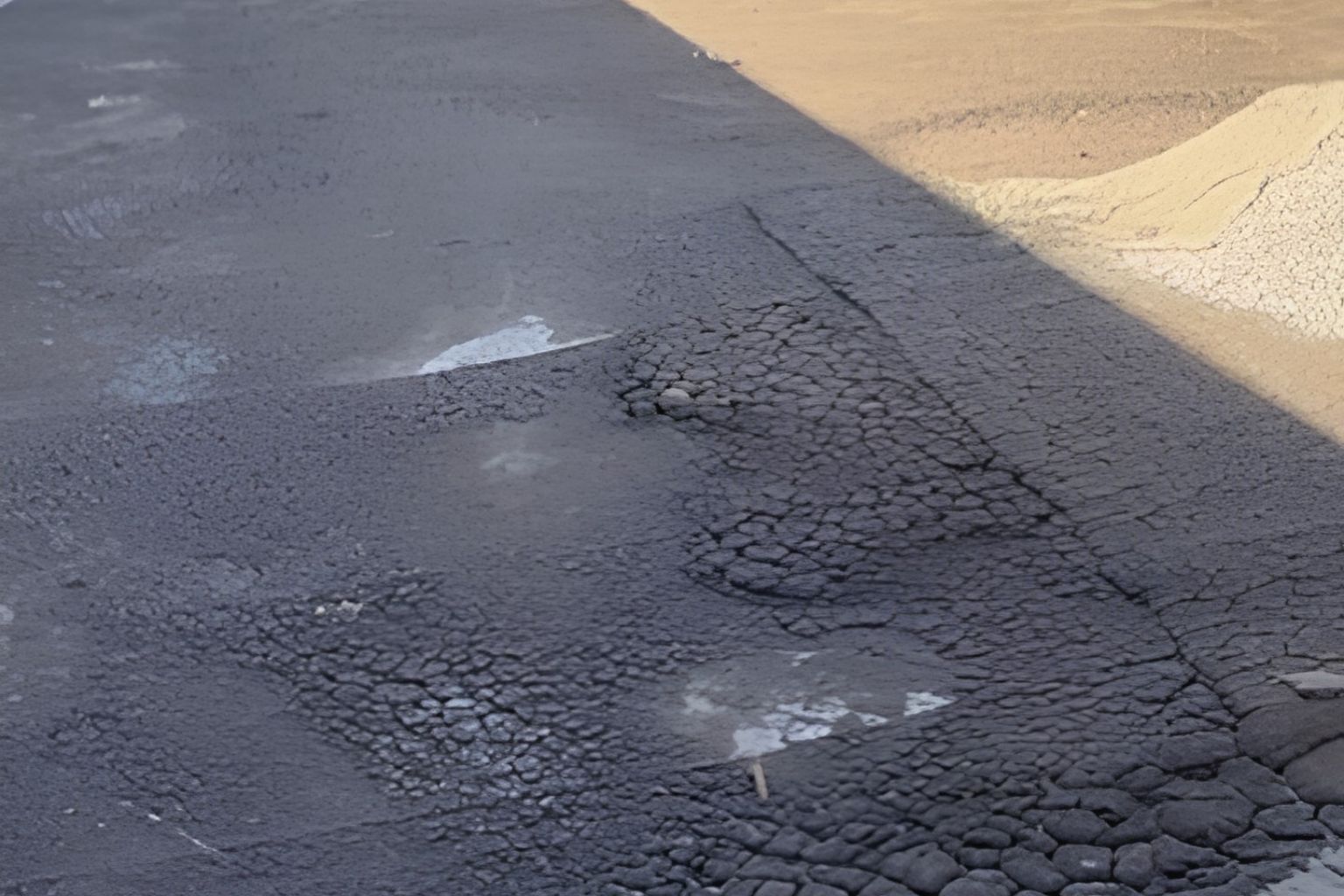
- Bad sign: the coating peels cleanly off the metal with little resistance, under about 4 to 5 pounds. That roof isn't ready for that coating as-is.
What happens when a test fails
A failed test doesn't automatically mean your roof can't be coated. It means something about the plan has to change. Depending on the result, that can be:
- a different primer
- deeper cleaning or more surface prep
- a different coating chemistry
Then we test again. We'd rather find a bond problem on a 4-by-6-inch patch than across your whole roof a year after the job is done.
Why this matters more on metal roofs
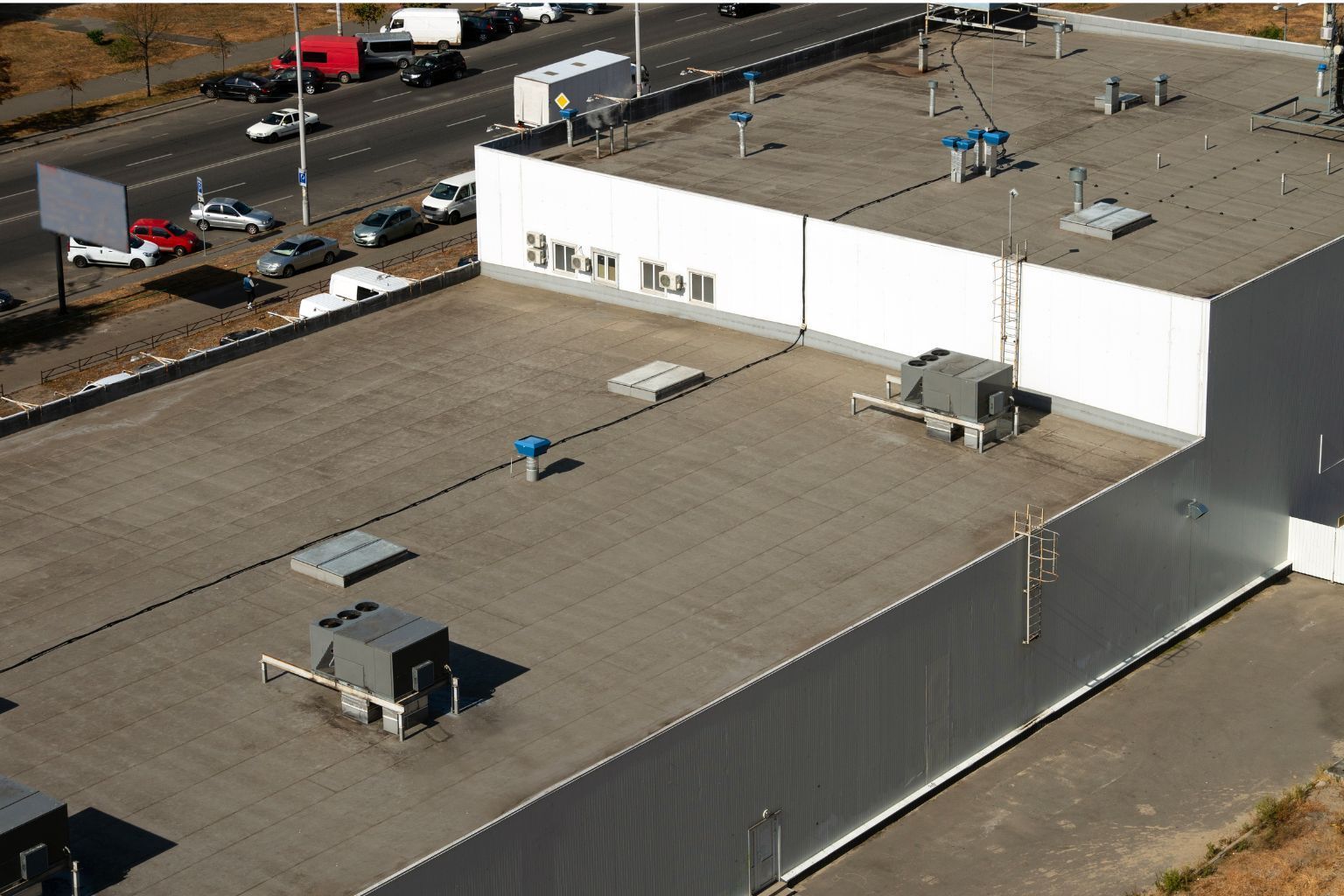
On commercial metal roofs, most failures start at the fasteners, seams and laps, and around penetrations and rooftop equipment. Rust is usually further down the list. A coating's job is to seal those details, and it can only do that if it bonds.
Agricultural metal roofs are a different story. Older ag buildings and pole barns often have enough rust that coating isn't the right call at all. When that's the case, we'll tell you, and a metal roof replacement is usually the better option. Our guide on whether to coat or replace a metal roof walks through that decision.
We test every roof, not just metal
We run an adhesion test on every roof we coat: metal, TPO, EPDM, PVC, asphalt and foam. The method is the same. The passing numbers vary by coating manufacturer and roof type, so we go by the manufacturer's spec for the product going on your roof.
If you have a flat roof, our guide to flat roof coating for commercial buildings covers which flat roofs can be coated in the first place.
How the test fits into the job
The adhesion test is one step in a larger process: inspection, cleaning, repairs to fasteners, seams and penetrations, then the coating itself. Our guide to what to expect during a commercial roof coating covers the full sequence.
Because the test needs time to cure, it's one more reason to plan ahead. Coating season here runs May through October, so getting your roof inspected in the fall puts you at the front of next season's schedule. Coating work isn't intrusive, and your business can stay open while we work.
Frequently asked questions
Does every coating contractor do an adhesion test?
Not always. Ask before you sign. A contractor who skips the test is guessing that the coating will bond.
How long does an adhesion test take?
The setup takes a short time on the roof. The coating then has to cure before the pull, anywhere from 24 hours to 7 days depending on the product and the weather.
Can a roof that fails the test still be coated?
Often, yes. A different primer, more prep or a different coating chemistry can fix the bond. Sometimes the answer is that the roof needs replacement instead, and we'll tell you straight.
Does the test damage my roof?
No. It's a small patch on a cleaned section of the roof, and that area gets coated along with the rest of the roof.
Find out if your metal roof is a coating candidate
We serve commercial and agricultural buildings across western Wisconsin and eastern Minnesota from our shops in Clear Lake and Motley. The owner typically walks your roof himself, and you'll get a report within 3 to 7 days. The inspection is free.
Schedule your free roof inspection or call 715-607-4276. Learn more about our metal roof coating service.