How Often Should a Commercial Roof Be Inspected? (WI/MN Facility Manager Schedule)
Mose Borntreger • February 27, 2026
How Often Should a Commercial Roof Be Inspected? (WI/MN Facility Manager Schedule)
A lot of commercial roof problems don’t “happen overnight.” They build quietly at seams, penetrations, edges, and drains until you get the call nobody wants: a leak, interior damage, or an emergency repair. The easiest way to prevent that is having a predictable roof inspection schedule. In this guide, you’ll learn how often to inspect a commercial roof, what to do after storms, and how to use inspections to plan repairs, coatings, or restoration instead of getting forced into replacement.
Start here:
Table of Contents
- How often should a commercial roof be inspected?
- When should you schedule extra inspections?
- What’s the best inspection schedule for WI/MN weather?
- How do inspections reduce leaks and emergency repairs?
- What should your inspection schedule include for budgeting?
- FAQ
How often should a commercial roof be inspected?
Most commercial roofs should be inspected at least twice per year—once in spring and once in fall. That cadence catches problems before they become expensive leaks, protects roof performance, and helps you plan work during the right season.
Here’s the simple standard schedule:
- Spring inspection: identify winter damage, freeze/thaw stress, seam fatigue, drainage issues
- Fall inspection: prep for winter, seal vulnerable details, confirm drainage and edge stability
If you only do one inspection per year, do it in fall in WI/MN. Winter finds weak spots fast.
For the “why this matters” version, link here:
When should you schedule extra inspections?
You should schedule extra inspections after major storms, rooftop work, or when a leak pattern repeats.
You don’t need an inspection after every rain, but you do want one after events that damage seams, edges, and penetrations.
Schedule an extra inspection if any of these happen:
- High wind event (edge lifting, seam stress, loose metal/fasteners)
- Hail event (impact damage, membrane bruising, coating compromise)
- New rooftop work (HVAC installs, penetrations, electrical conduit runs)
- Interior staining appears (even if it “stops” later)
- Repeat leak in the same zone (this usually means a root cause wasn’t fixed)
This is also where owners ask “restore or replace?”
What’s the best inspection schedule for WI/MN weather?
In WI/MN, spring + fall inspections are the baseline, because freeze/thaw cycles and snow load stress roof details more than people realize.
The goal isn’t to “inspect for fun.” It’s to catch predictable failure points before winter makes them worse.
WI/MN seasonal schedule (facility manager friendly)
Early Spring (March–May):
- check seam stress and separation
- confirm drains/scuppers are flowing
- look for damage around penetrations and edges
Early Fall (Sept–Nov):
- seal and detail vulnerable zones before freezing temps
- verify ponding zones and drainage
- address edge movement and flashing issues
This is a perfect supporting link right here:
How do inspections reduce leaks and emergency repairs?
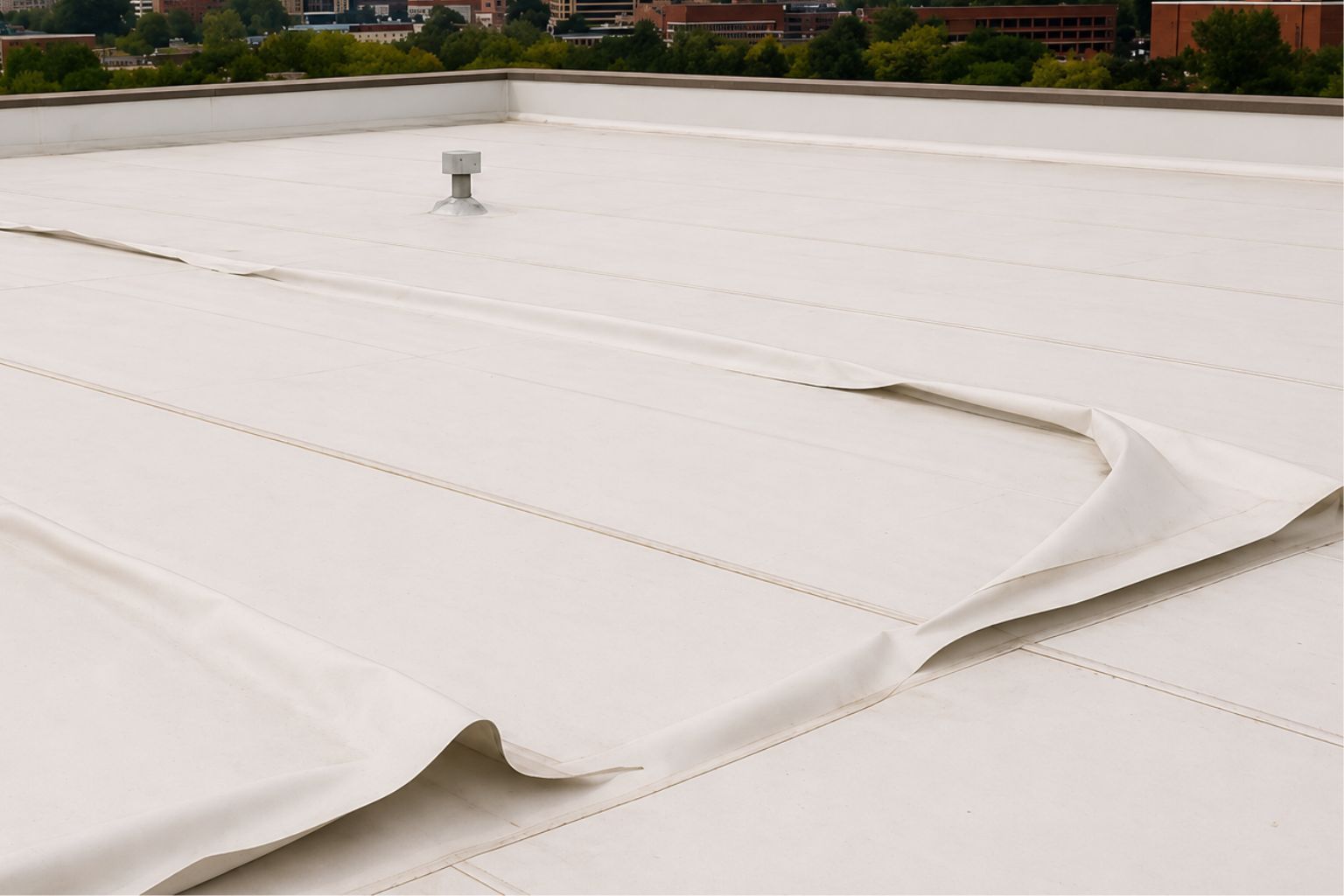
Inspections reduce leaks by catching seam issues, penetration failures, drainage problems, and edge movement early—before water gets into the system.
Most “emergency leaks” were detectable weeks or months earlier.
Common examples inspections catch early:
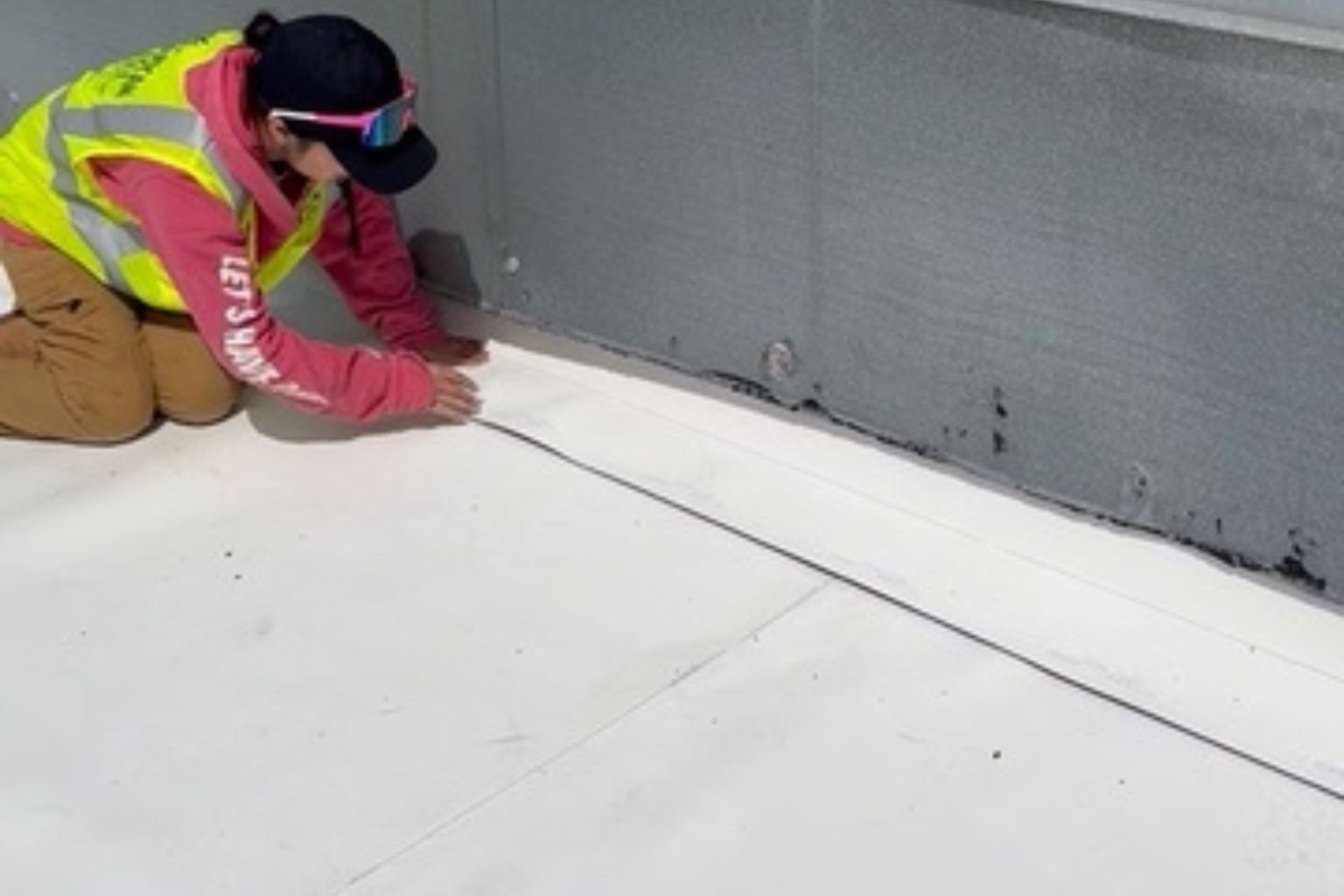
- seam separation starting (before it becomes an open gap)
- cracked sealant around HVAC curbs and penetrations
- drain blockages causing ponding and stress
- edge metal movement pulling at terminations
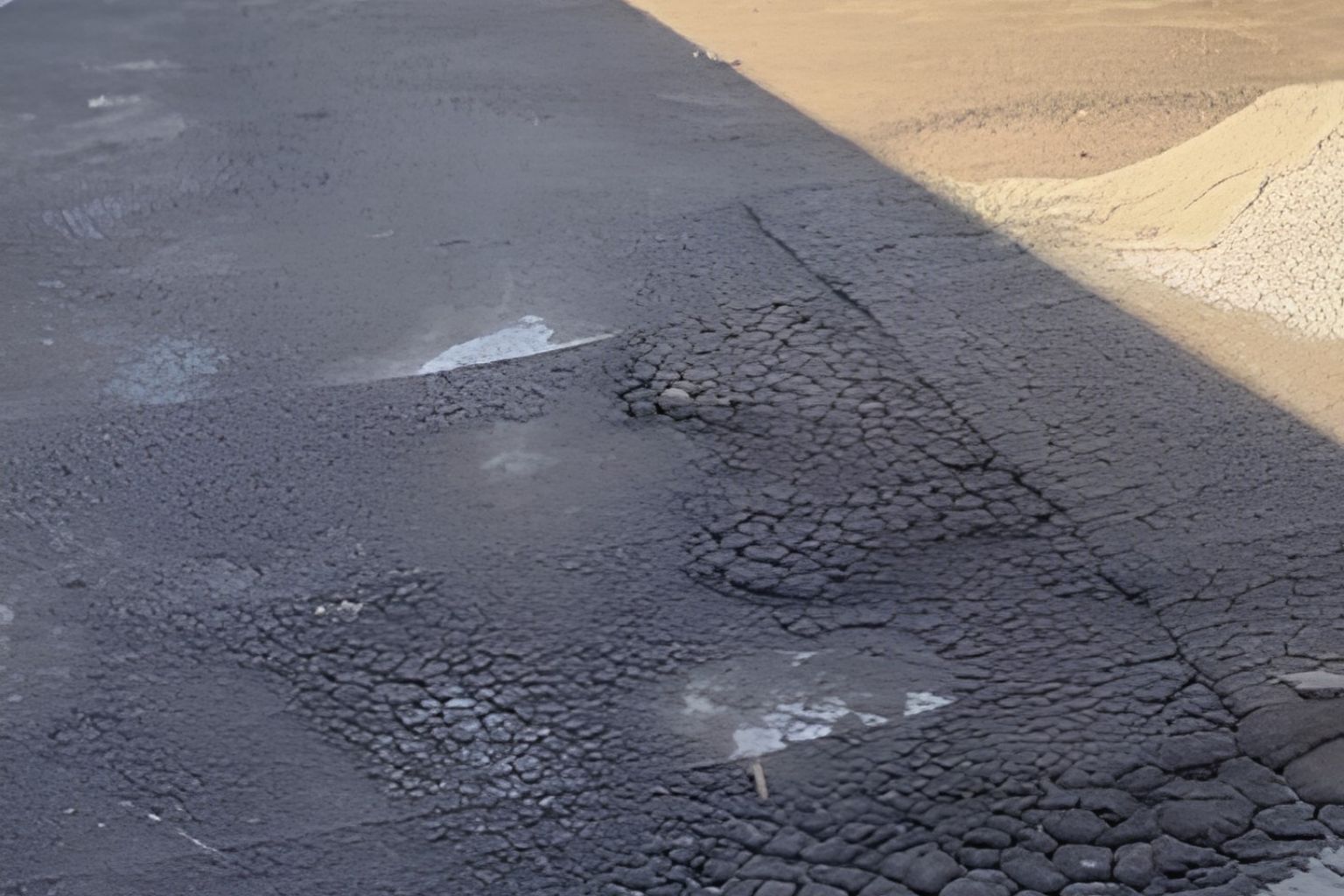
- failing old patches that were never meant to be permanent
If you want a quick “spot the red flags” reference:
What should your inspection schedule include for budgeting?
A good inspection schedule includes a simple priority system so you can budget repairs and restoration instead of reacting to leaks.
You’re not just scheduling inspections—you’re scheduling predictable decisions.
Use this priority framework:
- Now: active leaks, imminent failure zones, drainage blockages
- Soon: seam stress, aging penetrations, edge issues likely to fail within a season
- Monitor: wear that should be photographed and re-checked next visit
Pro move: Pair inspections with planning:
- Spring: identify issues + get ahead of summer work windows
- Fall: complete repairs/restoration before winter exposure
If inspections show restoration is a fit, the logical next step is reviewing options:
- Metal Roof Coatings
- Membrane Coatings
- Fabric-Reinforced Roofing Systems
- Single-Ply Restoration System
If you want a photo-documented inspection report with priorities and next steps, schedule a commercial roof inspection with American Eagle: Schedule a Commercial Roof Inspection
FAQ
Is one commercial roof inspection per year enough?
One inspection per year is better than none, but two per year is the standard for preventing leaks and controlling risk. If you can only do one, do it in fall before winter.
Should I inspect after every storm?
Not every storm—focus on major wind or hail events, and inspect immediately if you notice new interior staining. Storm checks catch edge damage and seam failures early.
Can commercial roofs be inspected in winter?
Yes, but winter inspections are often more limited depending on snow/ice and roof access. Fall inspections reduce the need for emergency winter calls.
What if my roof “never leaks”—do I still need inspections?
Yes. Most roof failures are silent until they become expensive. Inspections help you find small issues before they turn into interior damage.
Do roof coatings change how often I should inspect?
Coatings still require inspections—often annually or semi-annually—to maintain performance and protect warranty requirements. Maintenance is what keeps restoration working long-term.
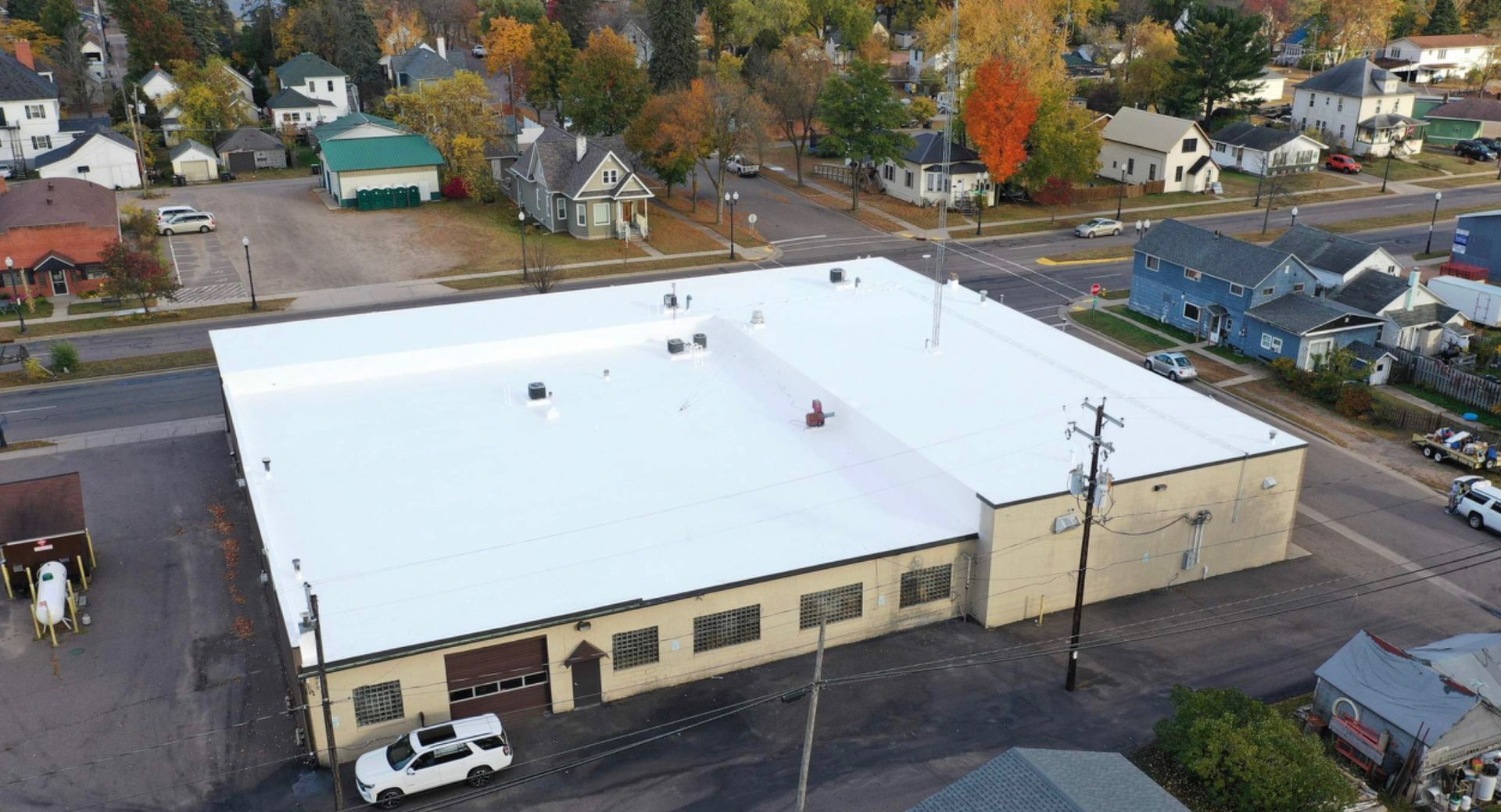
How Wisconsin freeze-thaw cycles crack membranes, split seams, and cause spring leaks on commercial roofs - and the fall prep that stops it. Free inspection.
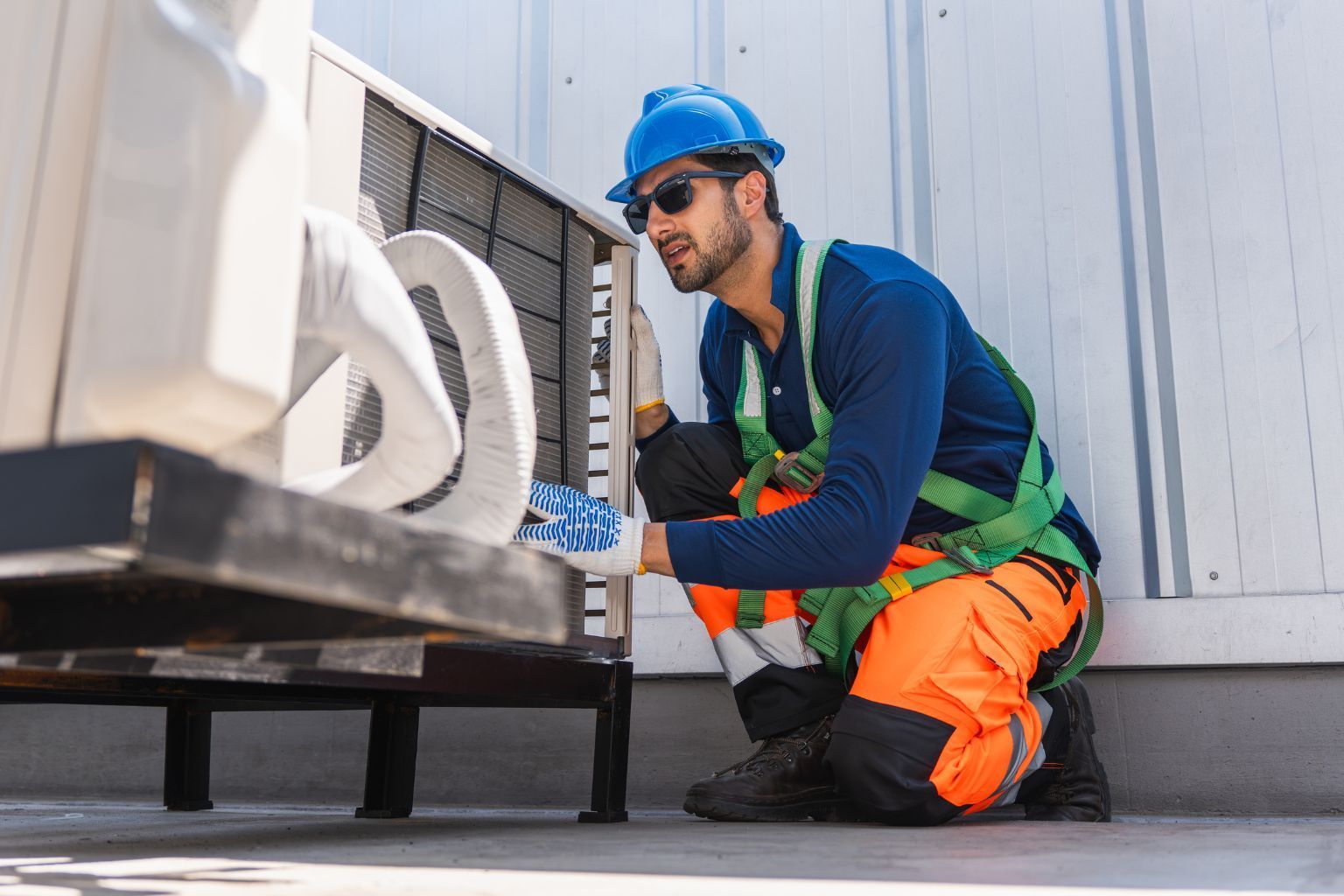
What a structured commercial roof maintenance program includes, the annual schedule that works in WI/MN, and the budget math that makes it pay for itself.
Real-world lifespans for metal, TPO, EPDM, PVC, and coated commercial roofs in the Upper Midwest - and what actually determines which number you get.
Most commercial roof leaks are preventable. The 6 places leaks start, the seasonal schedule that stops them, and what prevention costs vs one interior leak.
Chalking, cracking, rust bleed-through, peeling - what each roof coating failure sign means, which are urgent, and when recoating still saves the roof.
Most commercial roofs are replaced years early. How inspections, repairs, and coatings add 10-20 years to your roof - and when they can't. Free inspection.
EPDM rubber roof leaking at the seams or flashing? Learn the most common EPDM repairs, how they're done right, and when to restore instead. Commercial, WI & MN.
Hail or wind damage on your commercial roof? Learn how to spot storm damage, document it for an insurance claim, and get it repaired right. WI & MN roofers.
A commercial roof leak rarely starts where you see the stain. Learn how we trace a flat-roof leak to its real source and repair it for good. WI & MN inspections.
Commercial roof leaking right now? Here's how to protect your building, what counts as a roofing emergency, and how fast we respond across WI & MN. Call now.