Commercial Roof Inspection Checklist (Facility Manager Friendly)
Mose Borntreger • February 25, 2026
Commercial Roof Inspection Checklist: What Facility Managers Should Check Every Time
A commercial roof inspection should give you more than “looks fine.” It should give you a repeatable checklist, photo proof, mapped issue locations, and a clear priority plan you can budget for. If you manage a commercial facility in Western WI / Eastern MN, this inspection checklist will help you verify nothing gets missed — and it will show you what a professional inspection should include so you can prevent leaks, avoid surprise emergencies, and make smarter restore-vs-replace decisions.
Start here
Table of Contents
- What should a commercial roof inspection checklist cover?
- What are the highest-risk areas that cause most leaks?
- What should your commercial roof inspection report include?
- How should facility managers document issues during inspections?
- What should happen after the inspection?
- FAQ
What should a commercial roof inspection checklist cover?
A commercial roof inspection checklist should cover the roof field, seams, penetrations, edges, and drainage — because that’s where failures start.
Most “random leaks” aren’t random. They’re predictable problems in predictable places.
Facility Manager Roof Inspection Checklist
1) Roof field (the main surface)
Check overall condition and early signs of deterioration.
Look for:
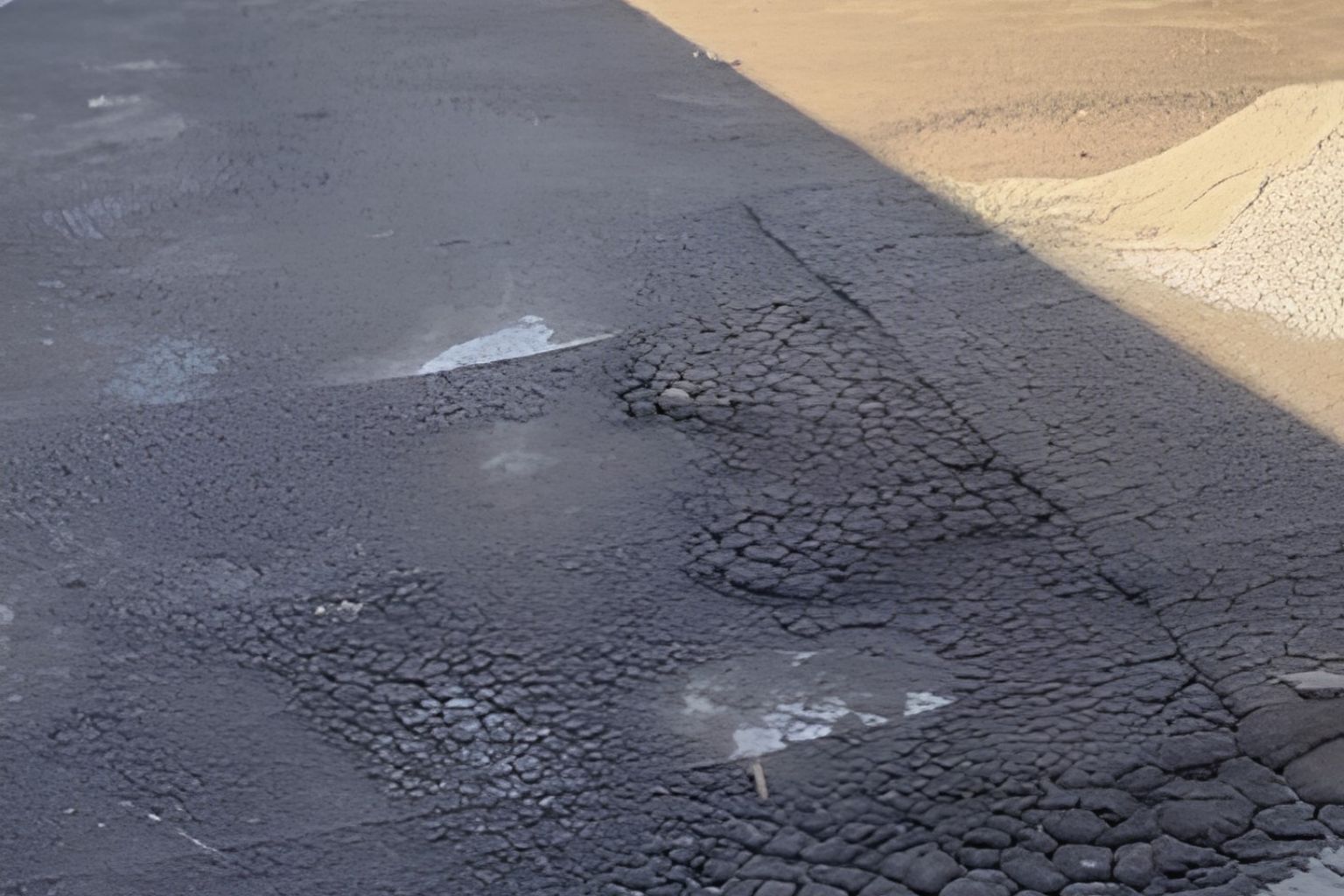
- Splits, punctures, cracks, surface wear
- Blisters/bubbles, soft spots (possible trapped moisture)
- Exposed reinforcement, thinning coatings, or peeling areas
- Old repairs failing or pulling loose
If you want quick “red flag” examples to compare against, read:
2) Seams, laps, and transitions
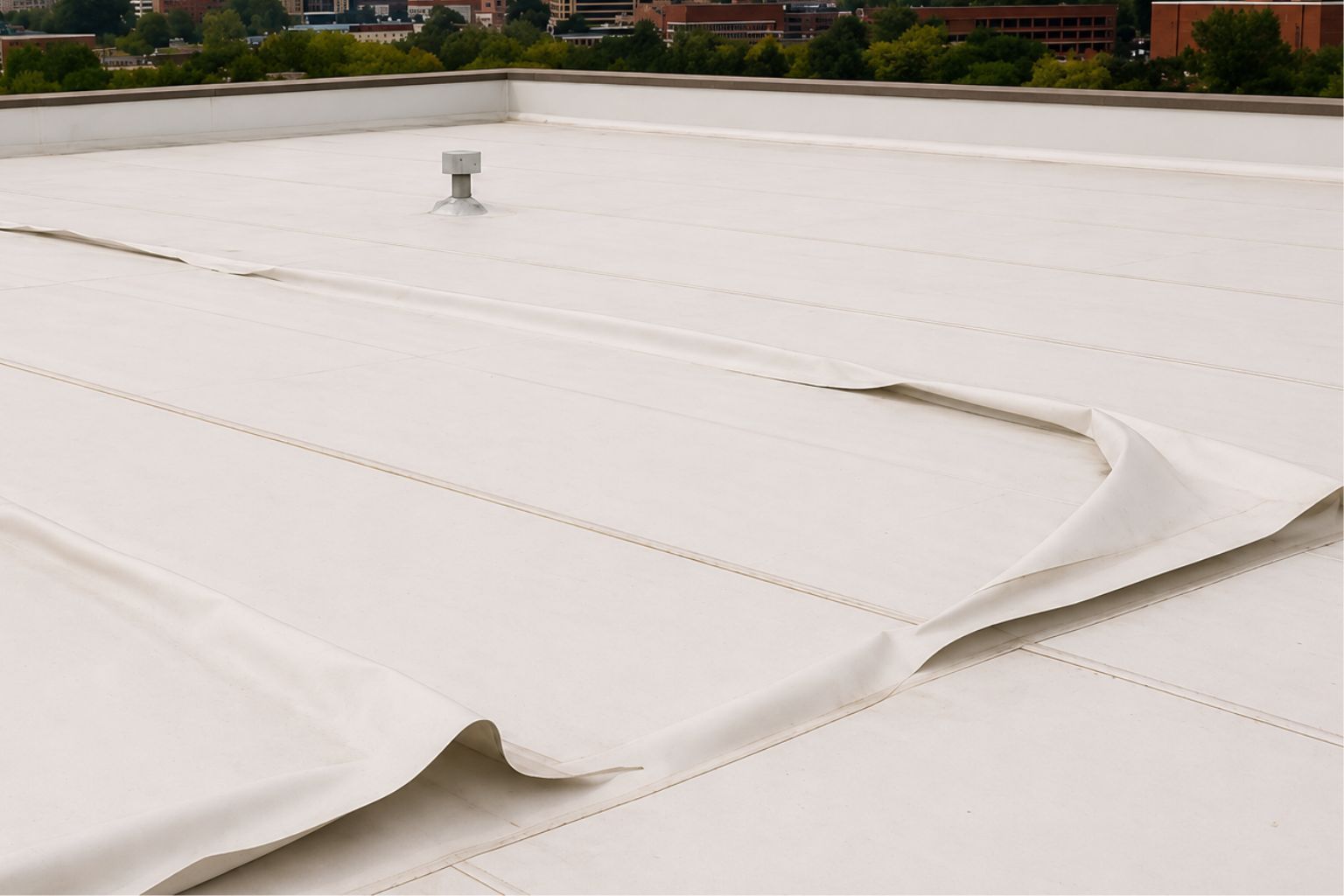
Seams and transitions are the most common “repeat leak” zones on commercial roofs.
Check:
- Open laps / seam separation
- Cracking at seam edges
- Stress lines where the roof moves
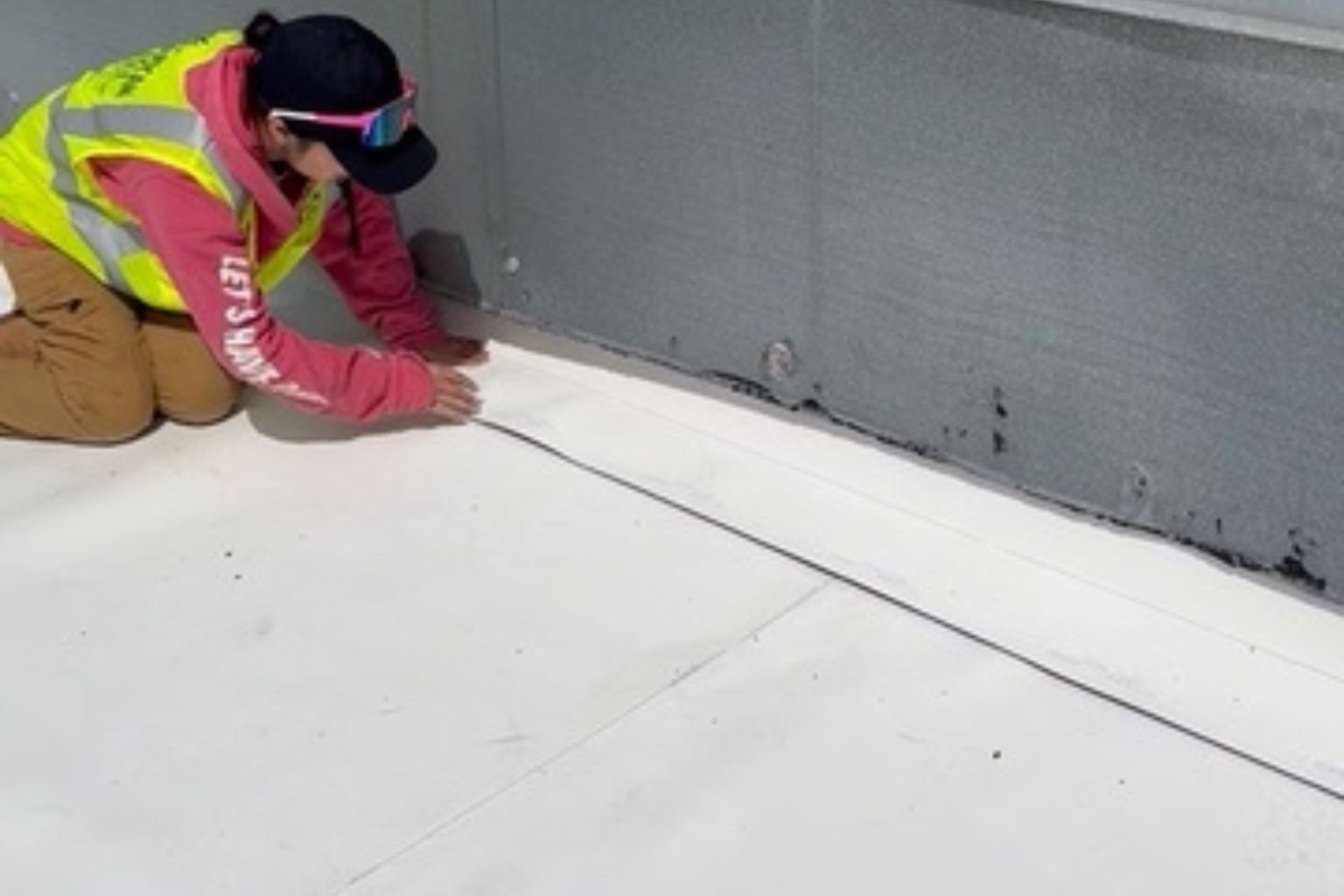
- Terminations where the roof meets walls, curbs, or parapets
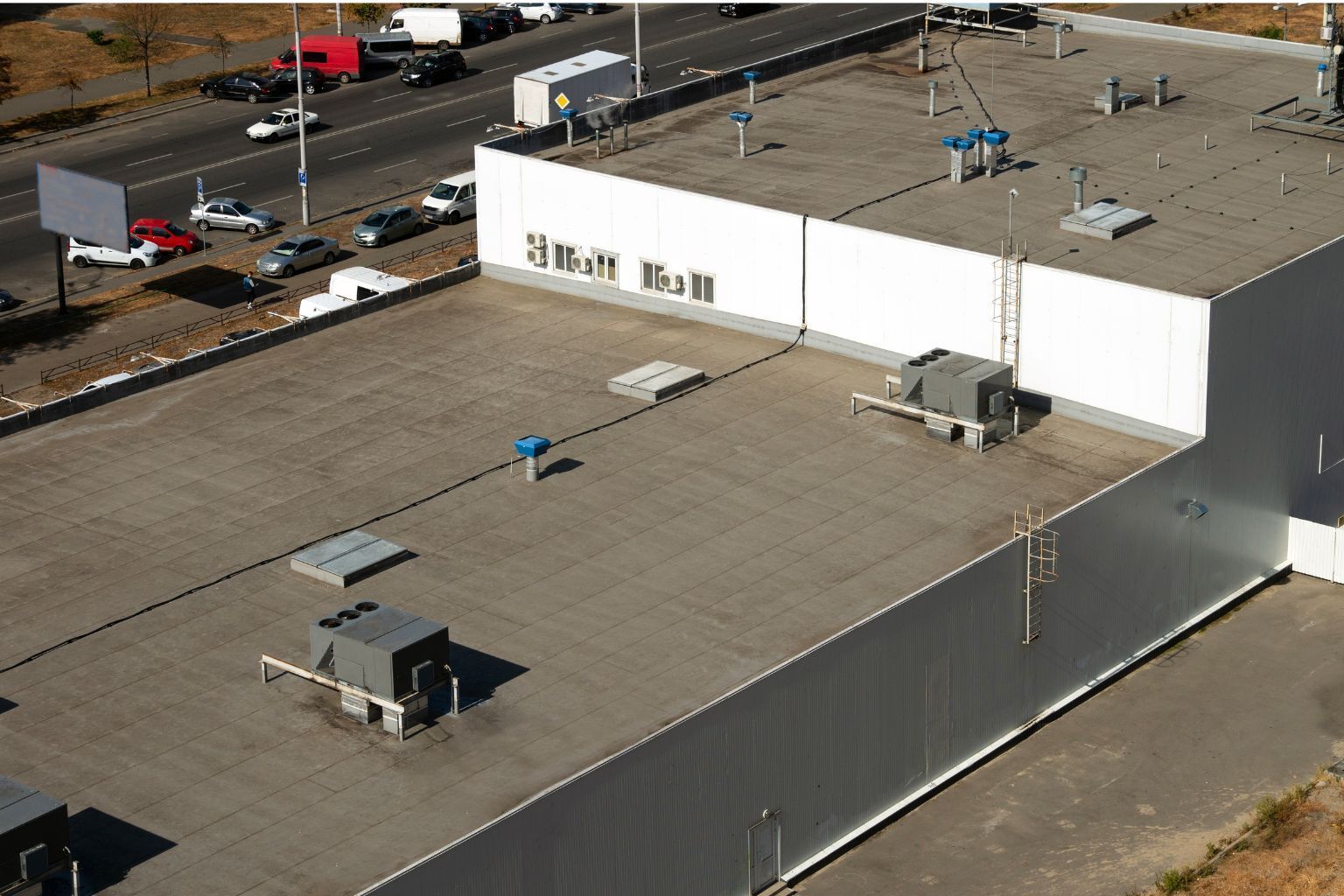
3) Penetrations + rooftop equipment
Penetrations leak because sealants and flashings age, shift, and crack.
Check:
- HVAC curbs and flashing integrity
- Pipe boots, vents, stacks, conduit supports
- Shrinking/cracking sealant or “goop repairs”
- Gaps at curbs and fastener issues around mounts
4) Perimeter edges and terminations
Edges take wind stress and movement first — and when edges fail, water gets underneath.
Check:
- Edge metal movement or gaps
- Termination bars / counterflashing stability
- Corner zones (higher uplift risk)
- Loose fasteners and separation at wall lines
5) Drainage and ponding
Poor drainage turns small problems into big problems fast.
Check:
- Drains/scuppers blocked or slow
- Ponding water zones (staining is a clue)
- Overflow paths and erosion marks
- Low spots that hold water longer than 48 hours
For WI/MN seasonal risk, link this right after drainage:
What are the highest-risk areas that cause most leaks?
The highest-risk leak areas are seams, penetrations, edges, and drainage points — not the middle of the roof.
That’s why a good inspection spends extra time on details, not just “walking the field.”
High-priority zones to flag:
- Long seam runs + seam intersections
- HVAC curbs and pipe boots
- Wall transitions and parapet lines
- Drains / scuppers and ponding areas
- Previous repairs (especially repeat patches in the same spot)
Right here is where owners/managers typically ask “restore or replace?”
What should your commercial roof inspection report include?
A useful inspection report includes photos, mapped locations, a priority list, and clear next steps tiedto real fixes.
If you can’t take it to ownership and get approval, it’s not a real report.
Your report should include:
- Photo documentation (wide + close-up for every issue)
- Roof map or labeled locations (Area A/B/C or grid)
- Priority rating: Now / Soon / Monitor
- Root-cause notes (why it’s happening, not just what it looks like)
- Recommended actions: repair, restore/coating, reinforce, or replace sections
- Timing guidance (before winter vs can wait)
If your building is flat/low-slope and you want your team to understand system types,
How should facility managers document issues during inspections?
Facility managers should document issues using consistent roof area labels, numbered photos, and a simple priority system.
You don’t need complexity. You need repeatability.
Use this simple documentation method:
- Label roof sections: Area A / Area B / Area C
- Label each issue: A-1, A-2, B-1
- 1 wide photo showing context
- 1 close-up showing the defect
Assign priority:
- Now: active leak / imminent failure
- Soon: likely leak within a season
- Monitor: watch next inspection
Pro move: Track repeat issues in the same zone. Repeating leaks almost always signal a system/detail problem, not “bad luck.”
What should happen after the inspection?
After the inspection, the next step should be a clear decision: repair now, restore to extend life, or plan replacement only when restoration isn’t reliable.
This is where owners save money: no guessing, no panic, no random patching.
A clean post-inspection workflow:
- Stop active intrusion (target repairs at the leak source)
- Stabilize roof details (seams, penetrations, edges, drainage)
- Choose the right path based on roof condition
- Set a cadence (annual or semi-annual inspections)
Book an Inspection (Next Step)
If you want a photo-documented inspection report with priorities and next steps, schedule a commercial roof inspection with American Eagle: Commercial Roof Inspection
Next steps (if the inspection shows restoration is a fit)
FAQ
How long does a commercial roof inspection take?
Most commercial roof inspections take 30–90 minutes on the roof, depending on roof size, access, and complexity. Larger or multi-section roofs take longer, especially if there are many penetrations or multiple roof types.
Should I inspect after every storm?
You don’t need an inspection after every rainstorm, but you should inspect after major wind, hail, or events that could damage seams and edges. If you notice new interior staining after weather, schedule an inspection right away.
What’s the most common leak source on commercial roofs?
Seams, penetrations (HVAC curbs/vents), edges, and drainage points cause most commercial roof leaks. That’s why inspections focus heavily on details instead of only walking the middle of the roof.
Do I need an inspection before coatings or restoration?
Yes—an inspection confirms whether your roof qualifies for restoration and what repairs must happen first. Coatings work best when the system is stable and details are corrected before the coating is applied.
What should I send ownership after the inspection?
Send a short summary with photos, mapped issue locations, and a priority list (Now / Soon / Monitor). Ownership wants clarity: what’s urgent, what can wait, and the recommended plan with budget ranges.
How Wisconsin freeze-thaw cycles crack membranes, split seams, and cause spring leaks on commercial roofs - and the fall prep that stops it. Free inspection.
What a structured commercial roof maintenance program includes, the annual schedule that works in WI/MN, and the budget math that makes it pay for itself.
Real-world lifespans for metal, TPO, EPDM, PVC, and coated commercial roofs in the Upper Midwest - and what actually determines which number you get.
Most commercial roof leaks are preventable. The 6 places leaks start, the seasonal schedule that stops them, and what prevention costs vs one interior leak.
Chalking, cracking, rust bleed-through, peeling - what each roof coating failure sign means, which are urgent, and when recoating still saves the roof.
Most commercial roofs are replaced years early. How inspections, repairs, and coatings add 10-20 years to your roof - and when they can't. Free inspection.
EPDM rubber roof leaking at the seams or flashing? Learn the most common EPDM repairs, how they're done right, and when to restore instead. Commercial, WI & MN.
Hail or wind damage on your commercial roof? Learn how to spot storm damage, document it for an insurance claim, and get it repaired right. WI & MN roofers.
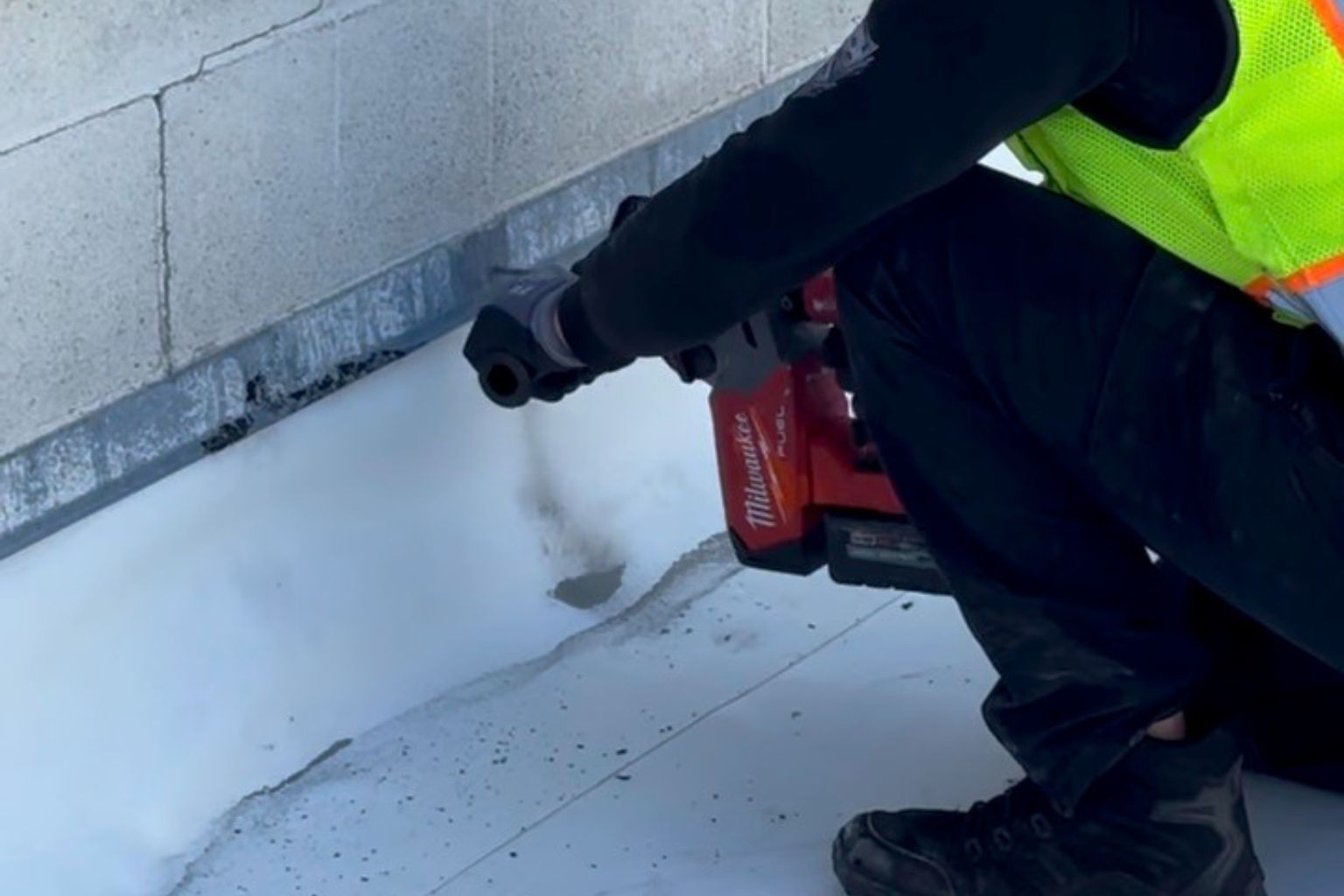
A commercial roof leak rarely starts where you see the stain. Learn how we trace a flat-roof leak to its real source and repair it for good. WI & MN inspections.
Commercial roof leaking right now? Here's how to protect your building, what counts as a roofing emergency, and how fast we respond across WI & MN. Call now.