Why Routine Roof Inspections Save Thousands in Commercial Repairs
How Proactive Maintenance Protects Your Budget, Ensures Insurance Compliance, and Keeps Your Building Operational
Commercial roofing problems rarely start big—they begin as small, preventable issues that grow into costly disruptions. For facility managers and property owners, the difference between a minor repair and a full system failure often comes down to one simple factor: routine inspections.
At American Eagle Roofing & Coatings, we’ve seen firsthand how scheduled inspections save our commercial clients in both money and stress. Here’s why proactive maintenance isn’t just a good idea—it’s a smart business strategy.
Prevent Small Problems from Becoming Expensive Failures
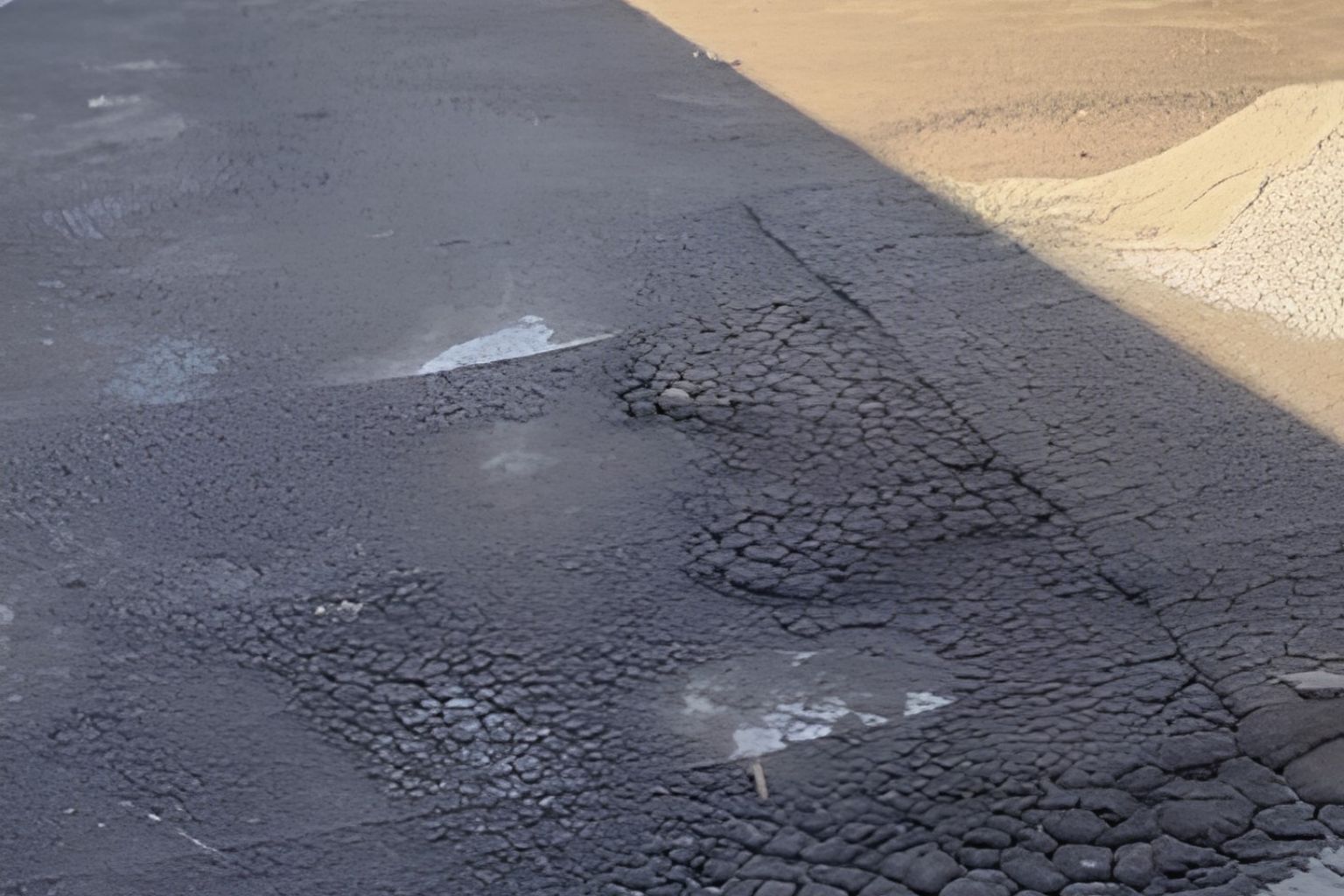
Even the most durable commercial roof systems—TPO, EPDM, metal, or coatings—are exposed to weather, debris, foot traffic, and equipment wear year-round. Over time, these stresses lead to:
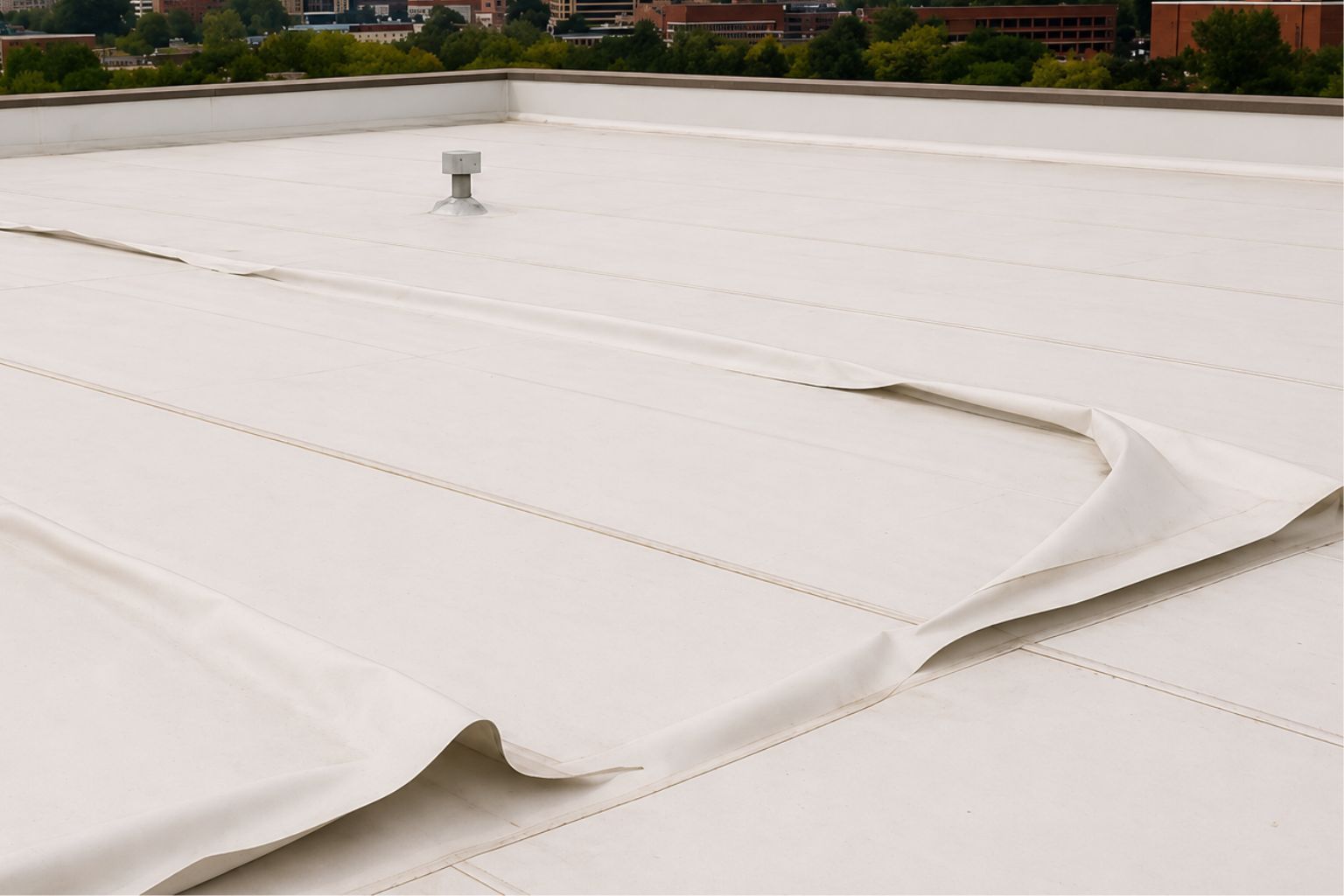
- Punctures or membrane splits
- Clogged drains and standing water
- Failed seams or flashing
- Surface deterioration from UV exposure
Catching these issues early during a routine inspection can mean a small repair instead of a full replacement.
Maintain Insurance Compliance and Warranty Validity
Many commercial property insurance policies require proof of routine maintenance in the event of a claim. If your roof leaks or suffers storm damage and you can’t show a documented inspection history, you risk delays or denials in coverage.
Likewise, manufacturer warranties often stipulate regular checkups by certified contractors to remain valid. A missed inspection can void your coverage—even if the problem was covered otherwise.
With American Eagle Roofing & Coatings, we provide detailed inspection reports and photographic documentation you can submit to insurance carriers and warranty providers.
Avoid Costly Business Interruptions
When roof problems are ignored, the damage doesn’t stop at the surface. Interior water leaks can disrupt:
- Office productivity
- Tenant satisfaction
- Equipment safety
- Inventory protection
- Regulatory compliance in healthcare, food, or manufacturing settings
An unexpected leak can force you to shut down operations, relocate tenants, or deal with mold remediation—costing far more than a scheduled inspection ever would.
How Often Should You Schedule Commercial Roof Inspections?
We recommend two formal inspections each year—typically in spring (after snow melt) and fall (before freeze cycles and winter storms). In addition, inspections should follow:
- Severe weather events (hail, high winds, or heavy rain)
- Roofing system installations or renovations
- Tenant build-outs involving rooftop equipment
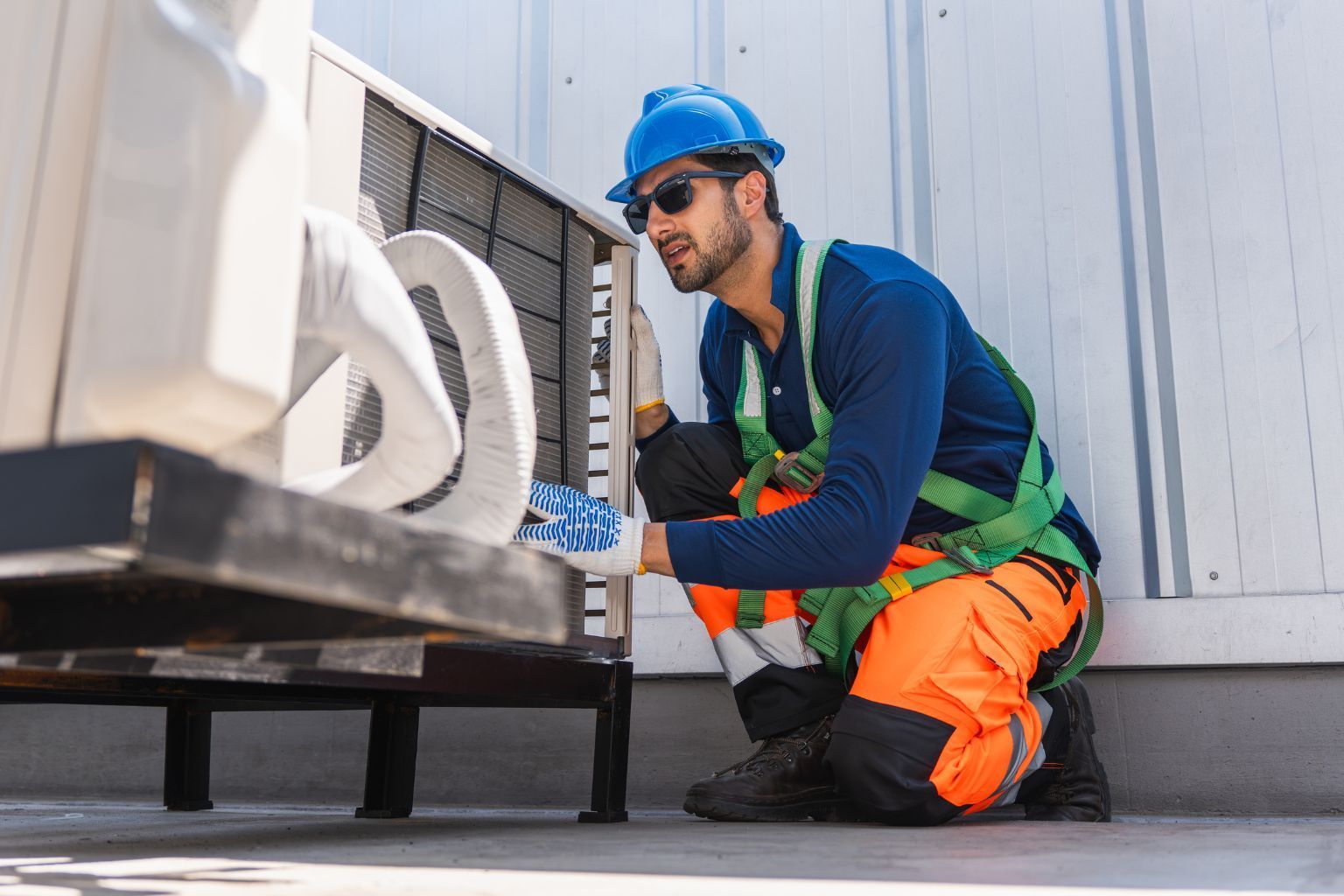
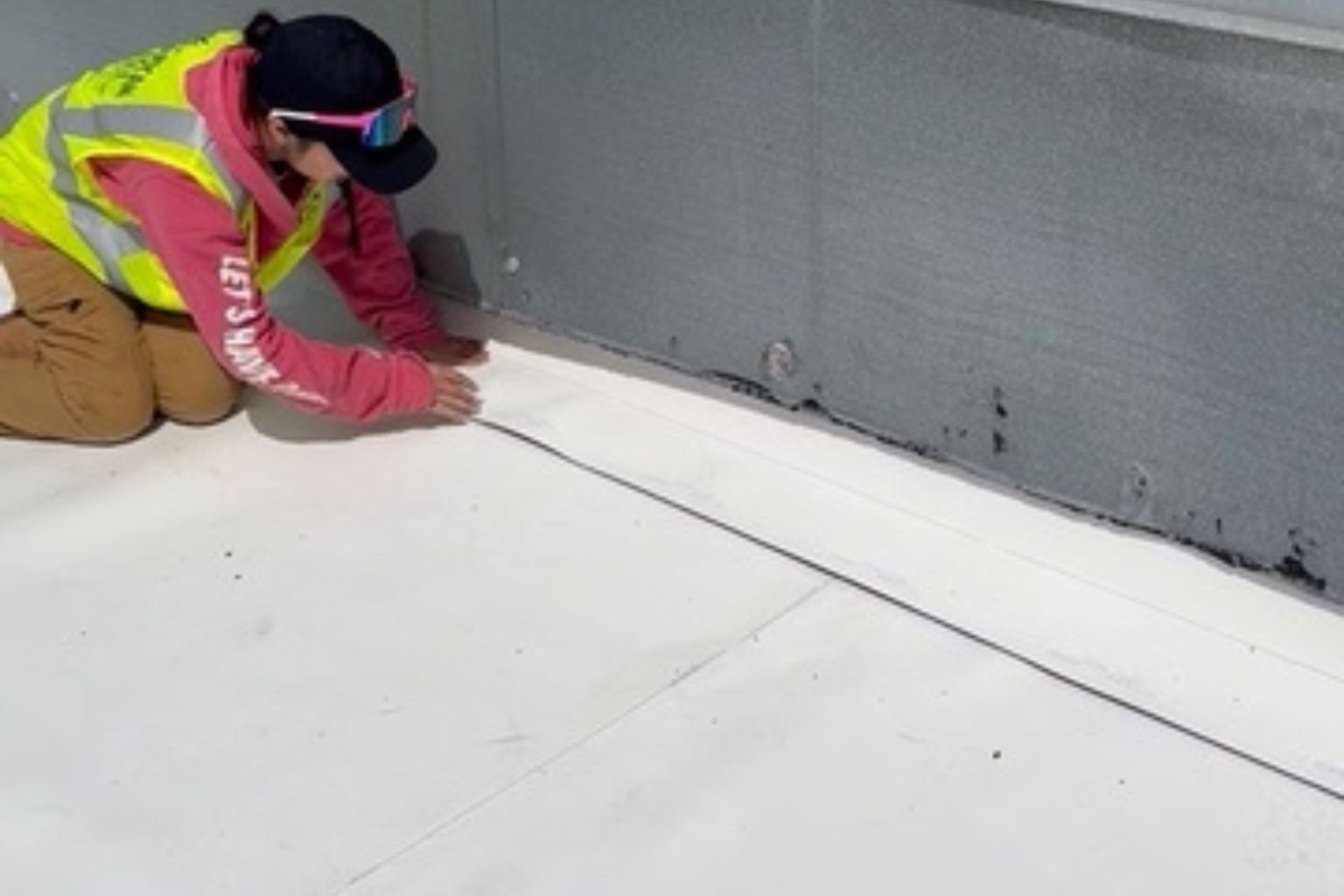
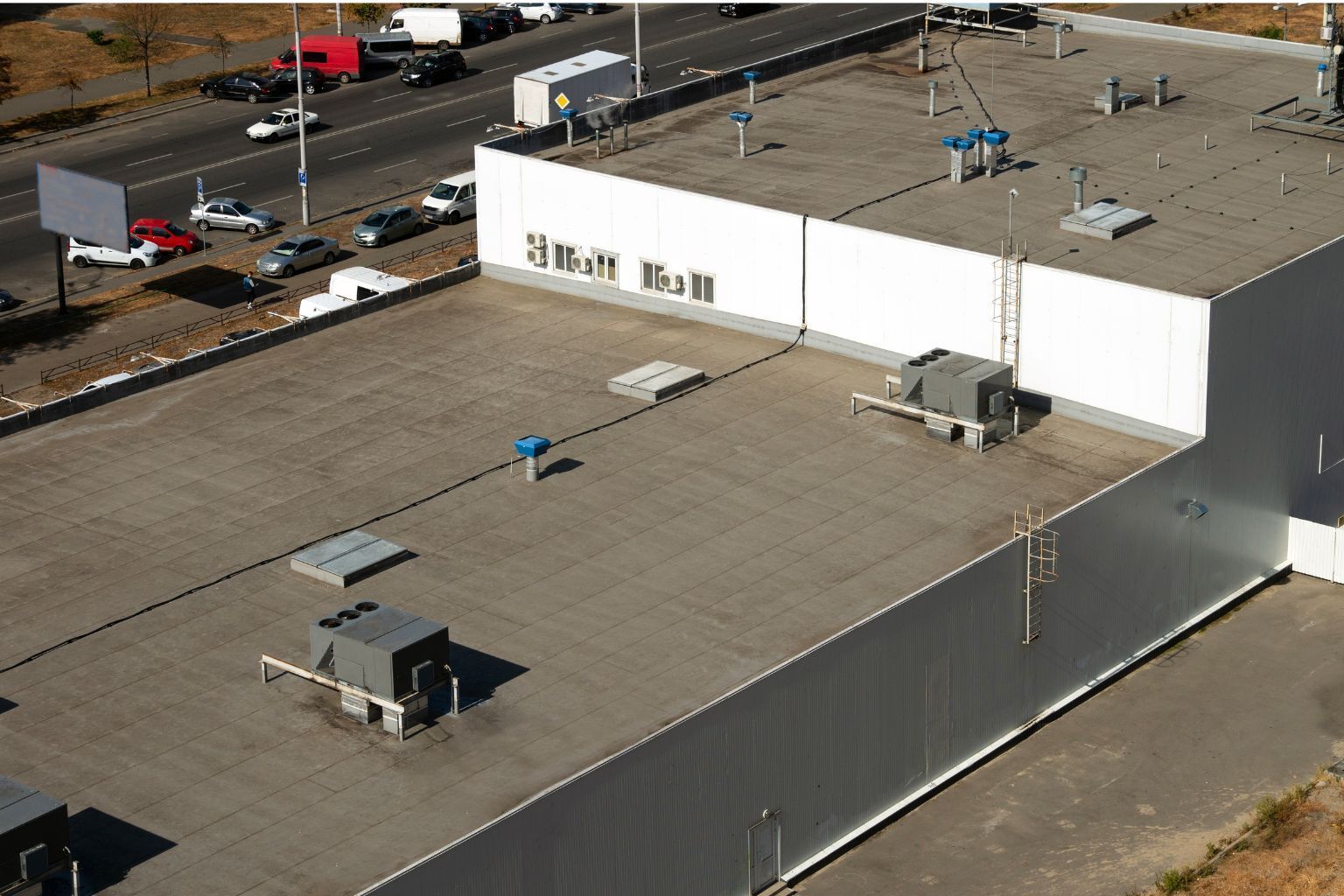
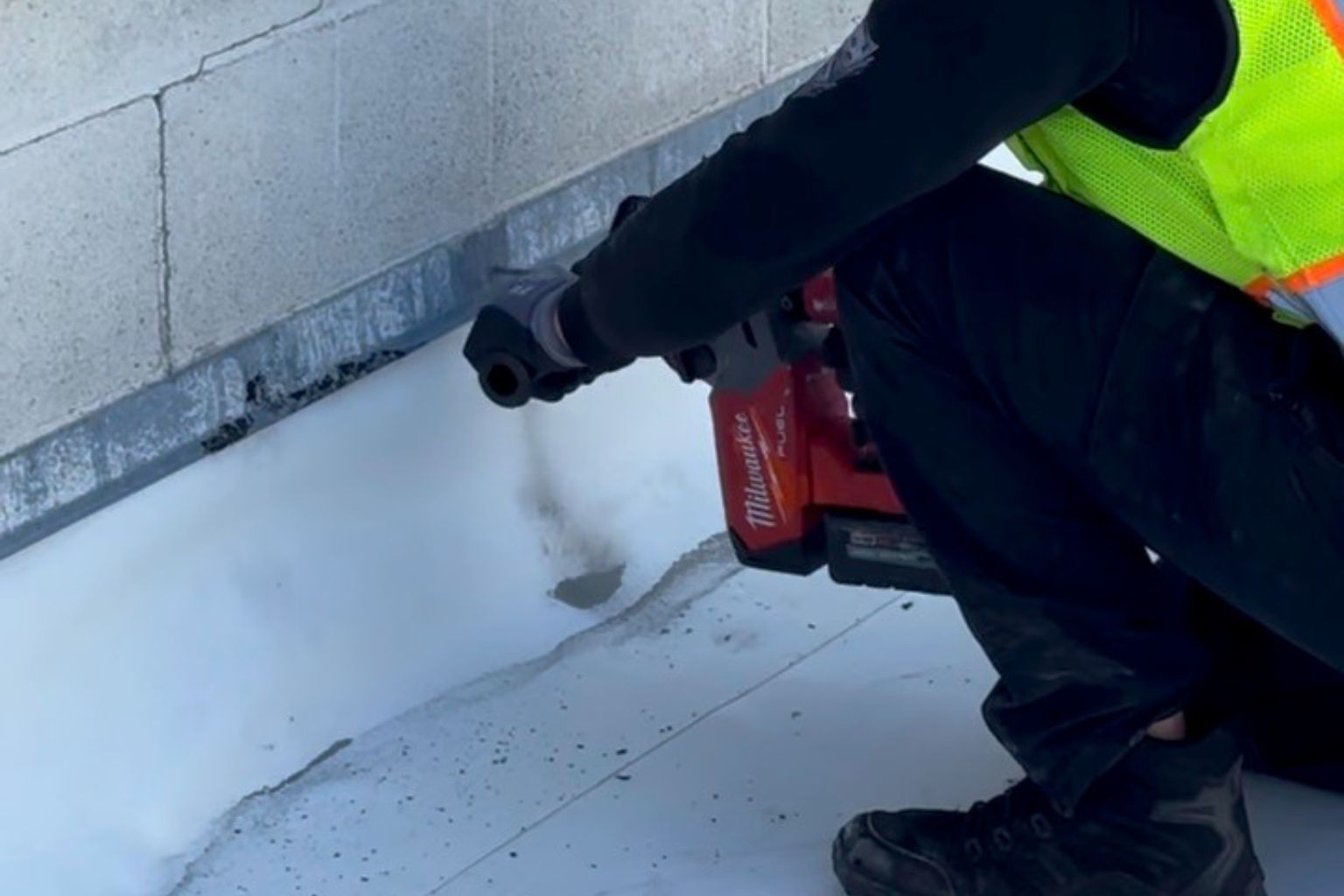
Our experienced technicians check the full system, including flashings, seams, drainage, coatings, and rooftop penetrations, and provide actionable next steps.
Invest a Little Now to Save a Lot Later
At American Eagle Roofing & Coatings, our inspection process is built to protect your roof—and your bottom line. We offer preventative maintenance plans that identify vulnerabilities, document compliance, and help you forecast capital improvements.
Don’t wait until your roof becomes a liability. Schedule a commercial inspection today and protect your facility with confidence.
Your roof protects everything beneath it. Let’s make sure it’s ready.