Commercial Roof Restoration vs Replacement: How to Choose
If you manage a warehouse, retail building, manufacturing facility, or multi-tenant property, you’ve probably asked, “Do we restore this roof… or rip it off and replace it?”
Here’s the honest truth: the cheapest bid is rarely the cheapest outcome.
The right move depends on what’s happening under the surface, how long you need the roof to last, and how much downtime your facility can tolerate. This guide will help you make a smart restore-vs-replace decision based on life-cycle cost, risk, and real-world building use — not guesswork.
The real question isn’t “restore or replace?” It’s: “What problem are we trying to solve?” Because “a leak” can mean very different things:
- A failed seam or flashing detail
- A drainage issue causing ponding water
- A roof system that’s simply at the end of its service life
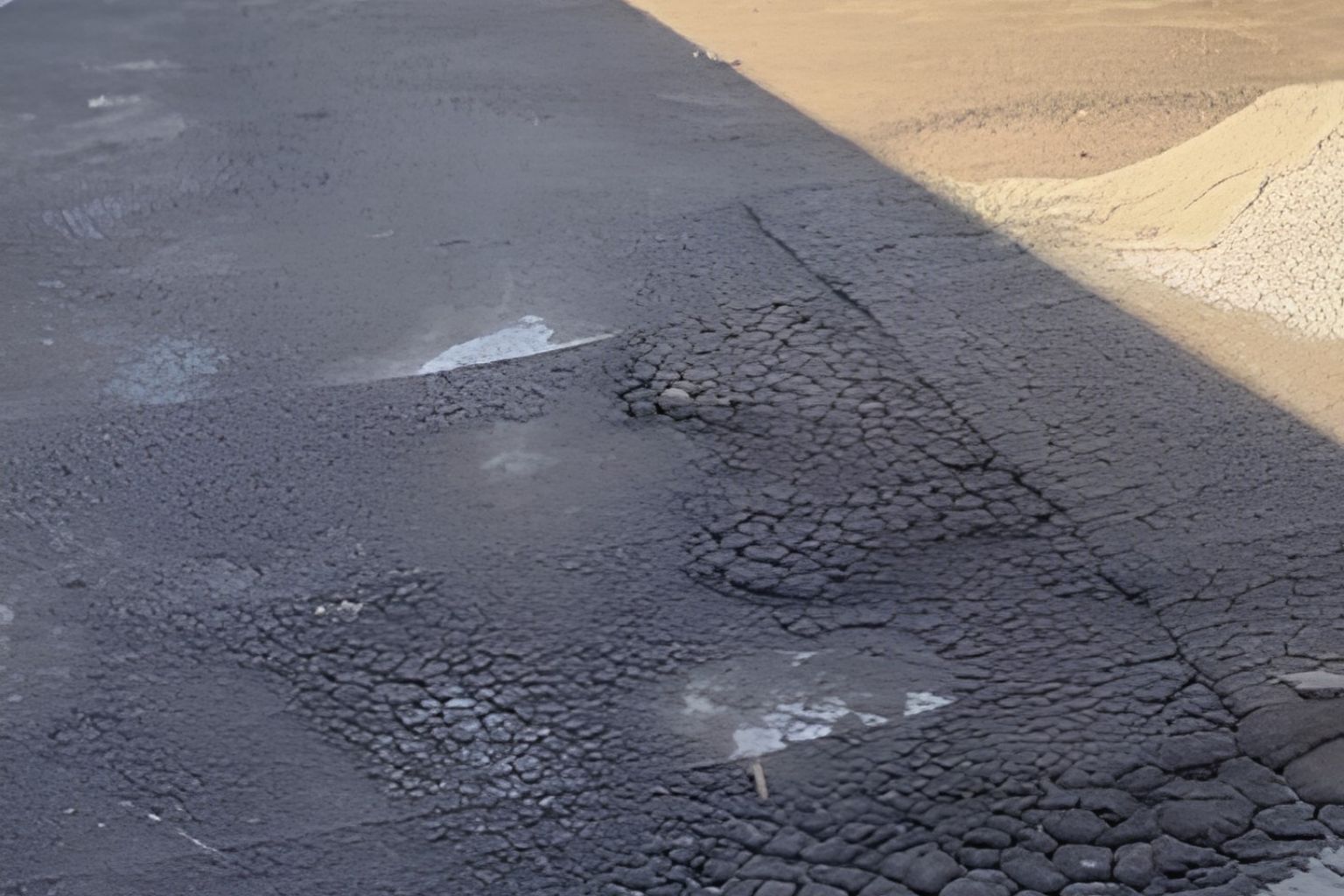
- Wet insulation that’s turning your roof into a sponge
- Rust and fastener issues on a metal roof
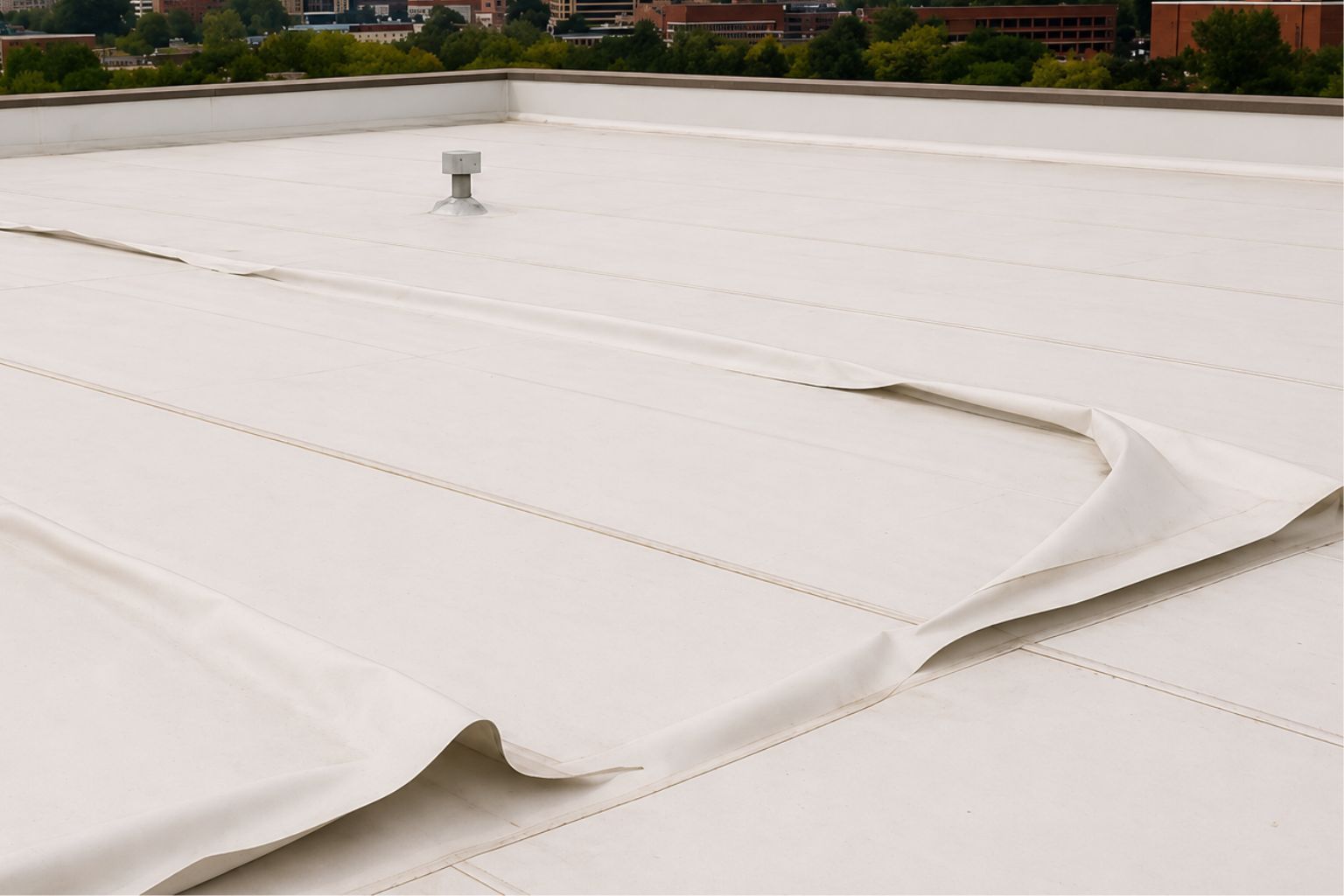
- Membrane shrinkage, punctures, or aging single-ply
Restoration solves some of these very effectively.
Replacement is the right answer for others.
The goal is to choose the option that gives you the lowest cost per year of performance while reducing the chance of costly surprises.
When is restoration the smartest investment?
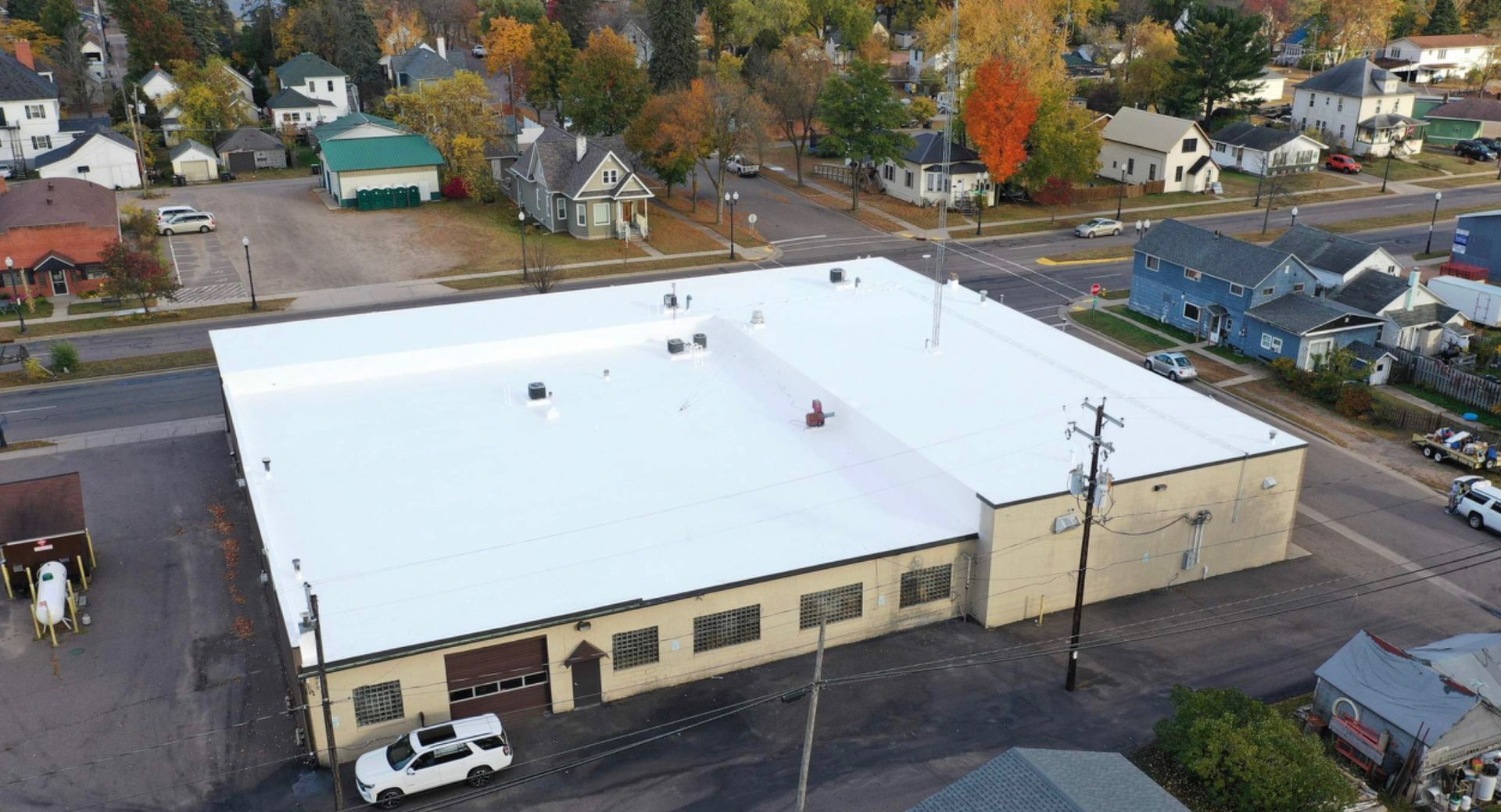
Roof restoration typically means extending the life of the existing roof system using a restoration system (often including repairs, reinforcement where needed, and a coating system designed to protect the roof and reduce future deterioration).
Restoration makes sense when the roof is still structurally “worth saving.”
Restoration is usually a great fit when:
- The roof structure is sound and there’s no major deck damage
- Leaks are isolated (seams, penetrations, transitions) and repairable
- Insulation is mostly dry (or wet areas are limited and can be addressed)
- You want less disruption to daily operations
- You want to extend the roof’s service life without the cost and mess of a tear-off
- You’re trying to control capital spending this year, but still do the right thing
Why building owners like restoration:
- Lower upfront cost than full replacement in many situations
- Less downtime (often faster timelines)
- Less disruption (less debris, less noise, fewer access restrictions)
- A strong option for metal roof restoration when panels are still viable
- Can be an excellent option for single-ply roofs when the system is aging but salvageable
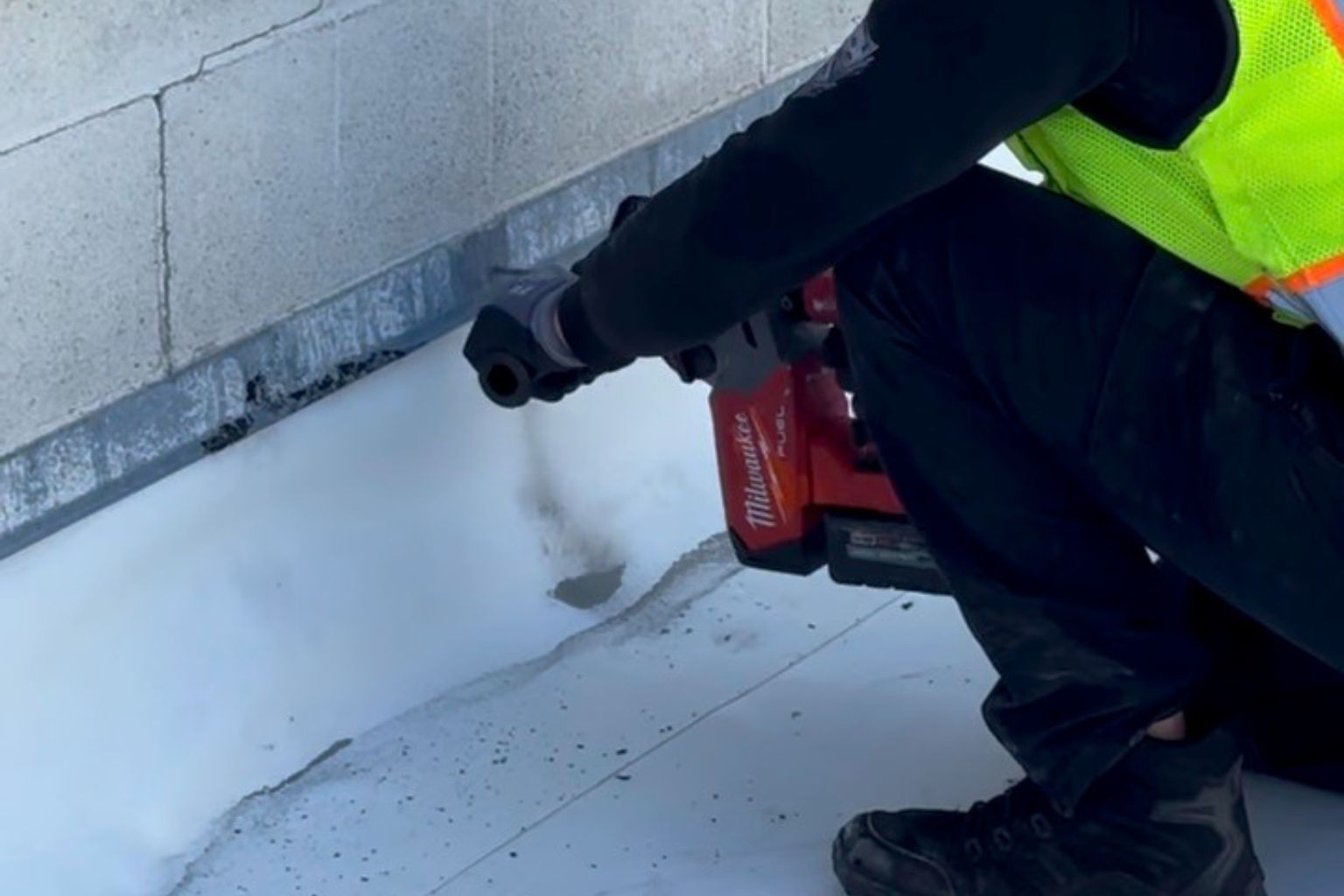
The key: restoration must start with real prep If you ever hear “we can coat over that” without inspection, testing, and proper prep… that’s a red flag.
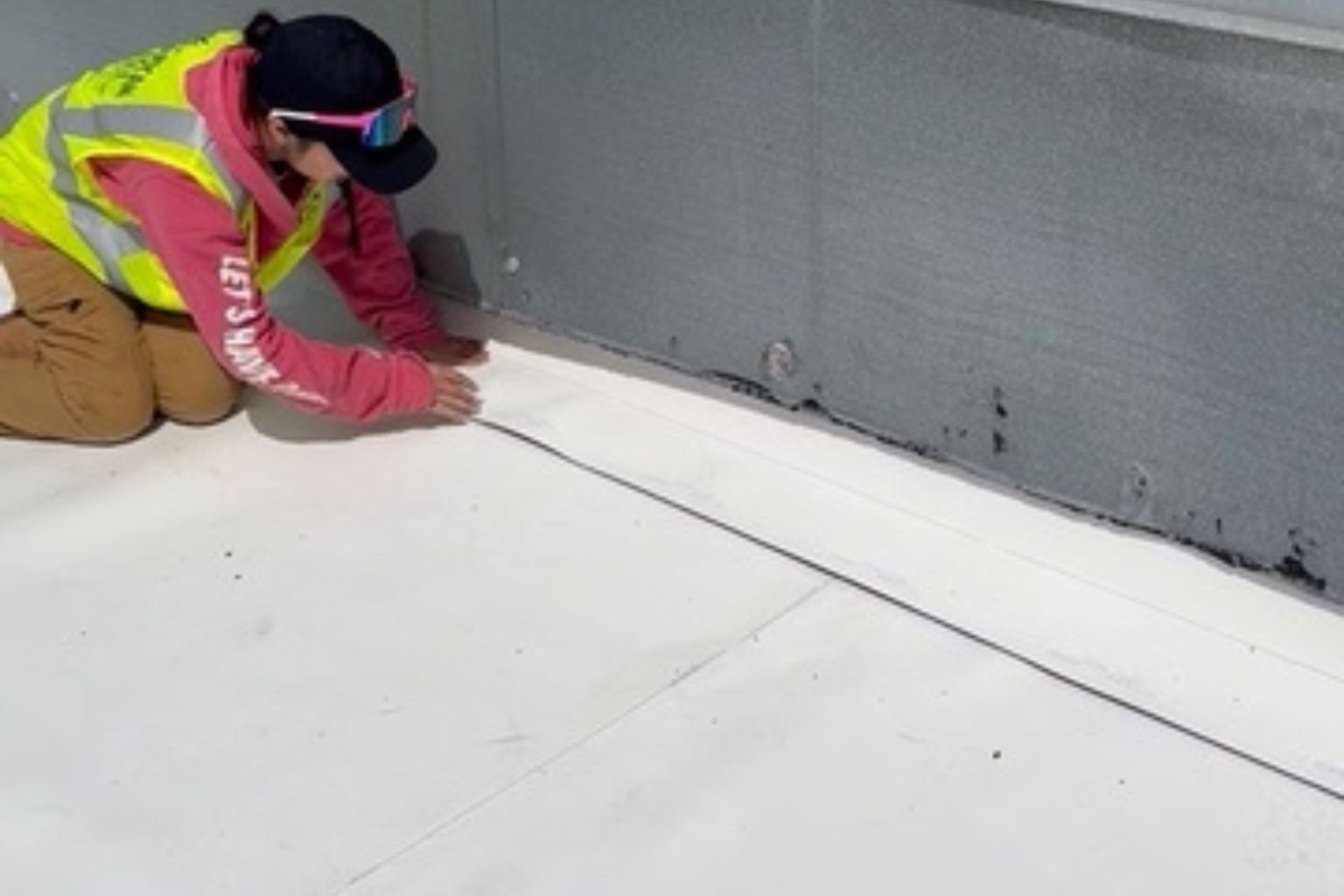
A restoration system is only as good as:
- The repairs underneath
- The surface prep
- The adhesion quality
- The condition of the roof assembly
On our projects, restoration usually means a fabric-reinforced roofing system or a single-ply restoration system — both extend a sound roof’s life for a fraction of replacement cost.
When is replacement the smarter long-term choice?
Replacement is exactly what it sounds like: removing (fully or partially) the existing roofing system and installing a new one. This is the right call when the roof has crossed a threshold where restoration becomes a short-term patch instead of a long-term solution.
Replacement is usually the better option when:
- Wet insulation is widespread (you’re dealing with trapped moisture)
- The roof deck is compromised or has structural damage
- The roof has multiple failed areas across large sections
- You’ve had repeated repairs and the problems keep moving
- There’s severe rust/structural deterioration on a metal roof system
- The roof is at (or past) its expected life and has systemic failure
- You need a new system for warranty, compliance, or long-term asset planning
Why can replacement be the “cheapest” option? (over time)
Even if replacement costs more upfront, it may be cheaper over 10–20 years because you avoid:
Recurring leak calls, interior damage risk, emergency repairs, production interruptions, and the slow drip of “we’ll deal with it later.”
A simple restore vs replace decision framework
Here’s a clear way to think about it:
1) How widespread is the damage?
Localized issues → restoration or targeted repair may make sense
Widespread failure → replacement becomes more likely
2) What’s happening below the surface?
This is the big one. A roof can look “fine” from the top and still be failing below.
Dry assembly → restoration is often viable
Wet assembly → replacement (or partial tear-off) may be necessary
3) What level of risk can you tolerate?
A retail building with tenants, a warehouse with inventory, or a manufacturing facility has different risk tolerance than a low-use building.
If a leak would cause serious operational damage, you should lean toward the option with lower future failure risk.
4) How long do you need it to last?
If you need:
5–10 years → restoration can be a strong play (when the roof qualifies)
15–25+ years → replacement might align better with your asset plan
What are the “Hidden costs” most owners forget to factor in?
When people compare restoration vs replacement, they often compare invoice totals and ignore the costs that don’t show up in the roofing bid.
Hidden costs that matter:
- Downtime and disrupted operations
- Tenant complaints (noise, access, parking, debris control)
- Interior damage risk (inventory, ceilings, electrical)
- Emergency response and “after-hours” labor
- Repeated service calls (death by a thousand cuts)
- Energy loss if insulation is compromised
- Warranty and documentation issues
A roof decision should be measured in cost per year, not “cheapest today.”
What should an inspection answer before you decide?
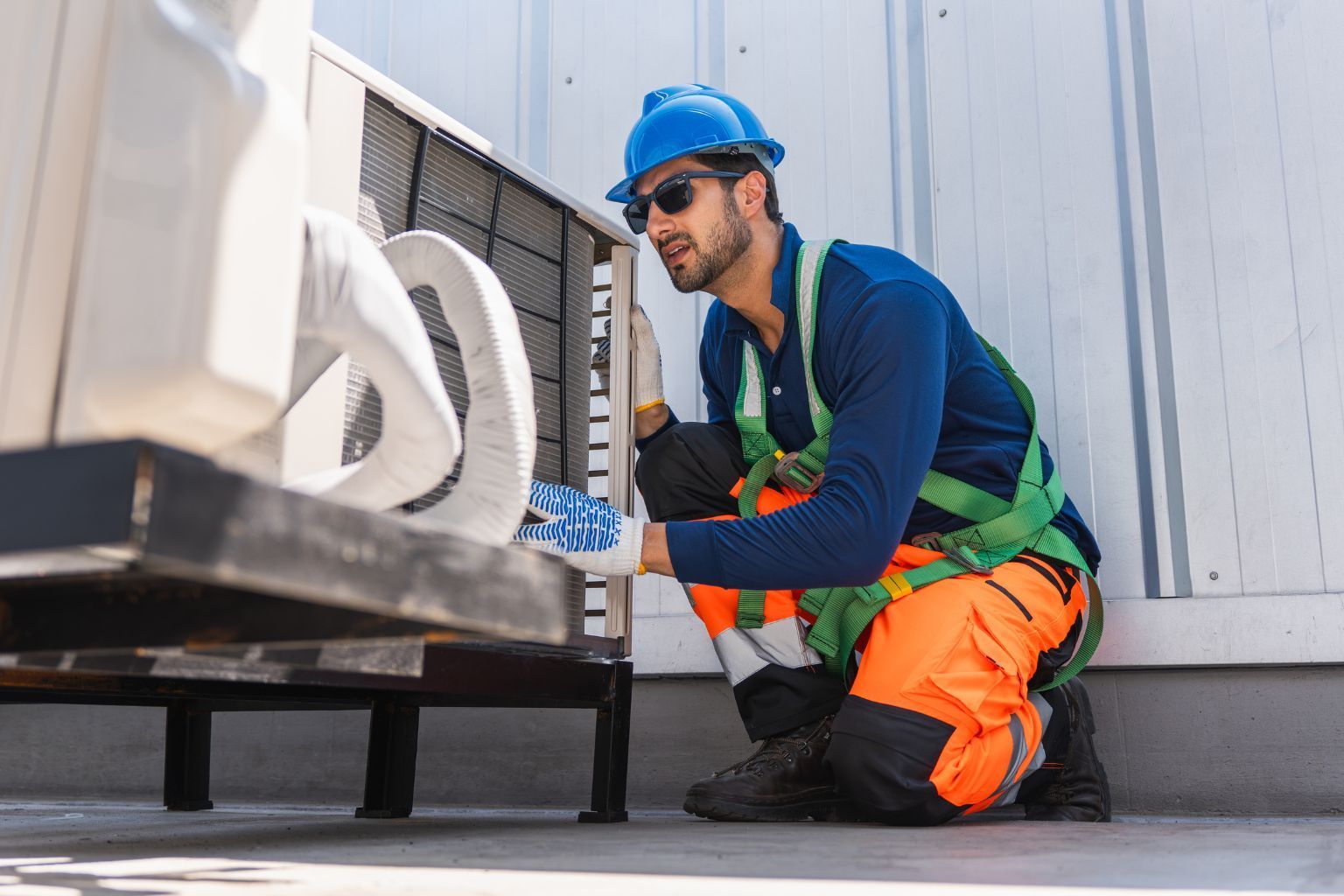
Before anyone tells you to restore or replace, a proper commercial roof inspection should clarify:
- Roof system condition
- Membrane or metal condition
- Seams, penetrations, flashing, transitions
- Evidence of movement, punctures, fatigue
- Moisture / insulation concerns (signs of trapped moisture)
- Areas of repeated leak history
- Any indicators of wet insulation or deck issues
- Drainage and ponding (drains/scuppers condition)
- Slope and low areas
- Areas prone to standing water
- Repair history and pattern are the problems repeating?
- Is it the same area, or is failure migrating?
If you’re stuck between restoration and replacement, here’s the simplest plan:
Schedule a commercial roof inspection with American Eagle Roofing & Coating
Get a clear condition overview: what’s failing, why, and how widespread the damage is. Ask for two paths. a restoration option (if the roof qualifies), and a replacement option (if restoration doesn’t make sense or if you want a long-term plan)
Compare them as cost per year, factoring in disruption and risk
The bottom line
Restoration is powerful when the roof is structurally sound and the assembly is still worth saving.
Replacement is smarter when moisture, systemic failure, or structural issues make restoration a short-term bandage.
If you want clarity instead of guesses, the next step is simple:
Ready for a clear restore-vs-replace recommendation?
American Eagle Roofing & Coating can inspect your commercial roof and tell you, honestly, which option is the best long-term move for your building and budget.
Call or request a Commercial Roof Inspection (use your site’s “Commercial Roof Inspection” page) , and we’ll help you map the smartest next step.
FAQ
Can a commercial roof be restored more than once?
Sometimes, yes — it depends on the roof type, condition, and how well the previous system was installed and maintained.
How do I know if my roof is a coating/restoration candidate?
The roof surface condition, adhesion readiness, repairability of details, and—most importantly—whether moisture is trapped in the assembly are major factors. An inspection confirms this.
The fastest way to find out: run through our fabric-reinforced restoration candidate checklist.
What’s the biggest hidden cost of replacement? Operational disruption. Tear-offs can impact access, noise levels, parking, tenant comfort, and scheduling. That disruption should be part of your decision.