Fabric-Reinforced Roofing Systems: Commercial Roof Restoration Guide
Fabric-Reinforced Roofing Systems: The Stronger Roof Restoration Option for Leak-Prone Commercial Roofs
If you manage a commercial building, you already know the pattern. A leak shows up. It gets patched.
Then it shows up again, usually at the same seam, the same transition, or the same penetration.
That’s where fabric-reinforced roofing systems come in. They’re built for roofs that need more strength than coatings alone, but aren’t necessarily ready for a full tear-off and replacement. In this guide, we’ll break down what fabric-reinforced roofing is, when it works best, and how to know if your roof is a candidate.
What is a fabric-reinforced roofing system?
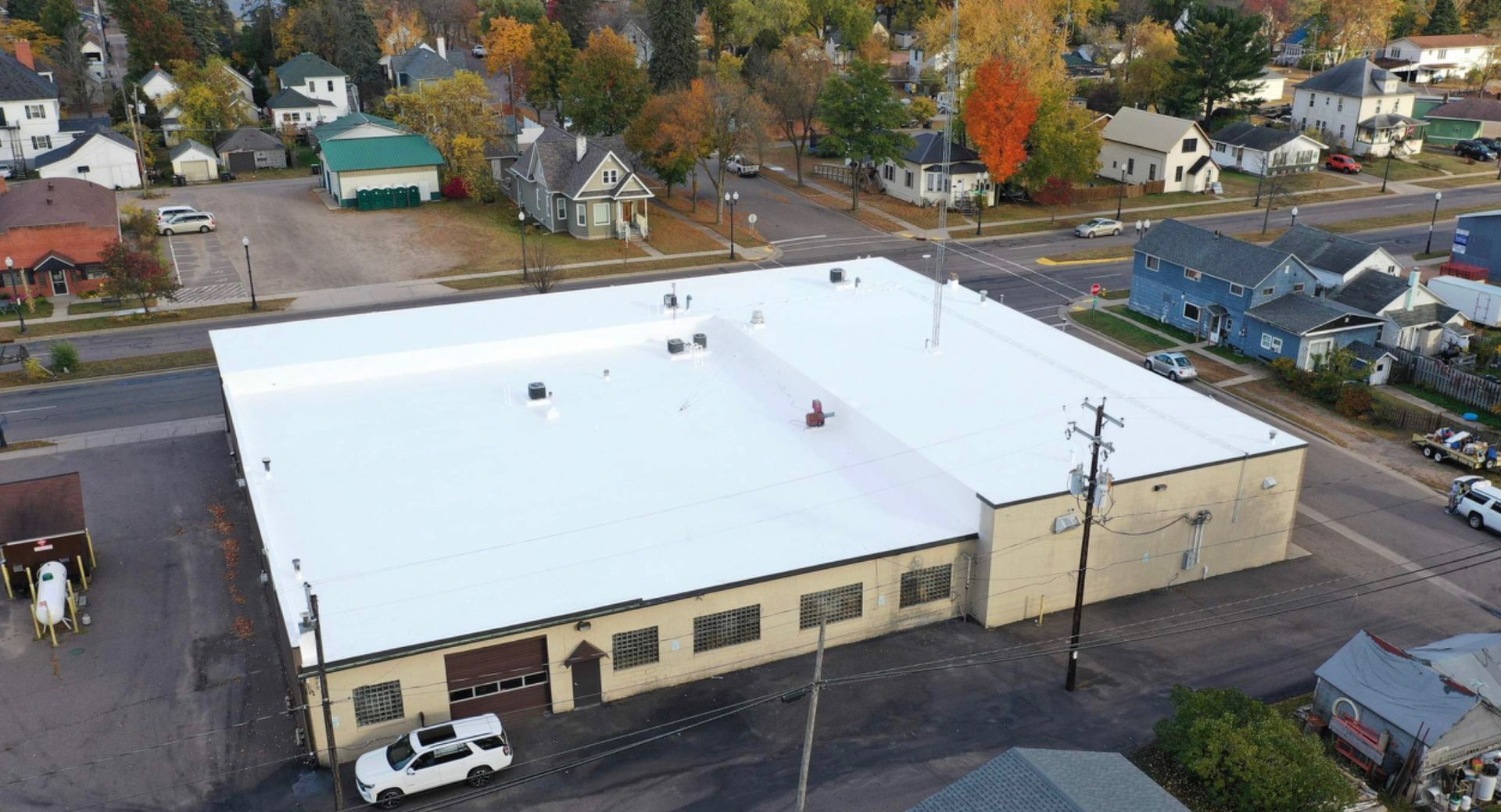
A fabric-reinforced roofing system is a commercial roof restoration method that embeds a high-strength fabric into a coating system. That fabric becomes a reinforcement layer, kind of like “rebar” for your roof surface.
The goal is simple:
- Reinforce weak areas (especially seams and transitions)
- Bridge small cracks or movement points
- Create a tougher, more resilient surface that reduces future leak risk
This isn’t just “painting a roof.” A true fabric-reinforced system is a restoration system that includes prep, repairs, reinforcement, and coating—installed to a performance standard.
Why standard repairs keep failing on some roofs
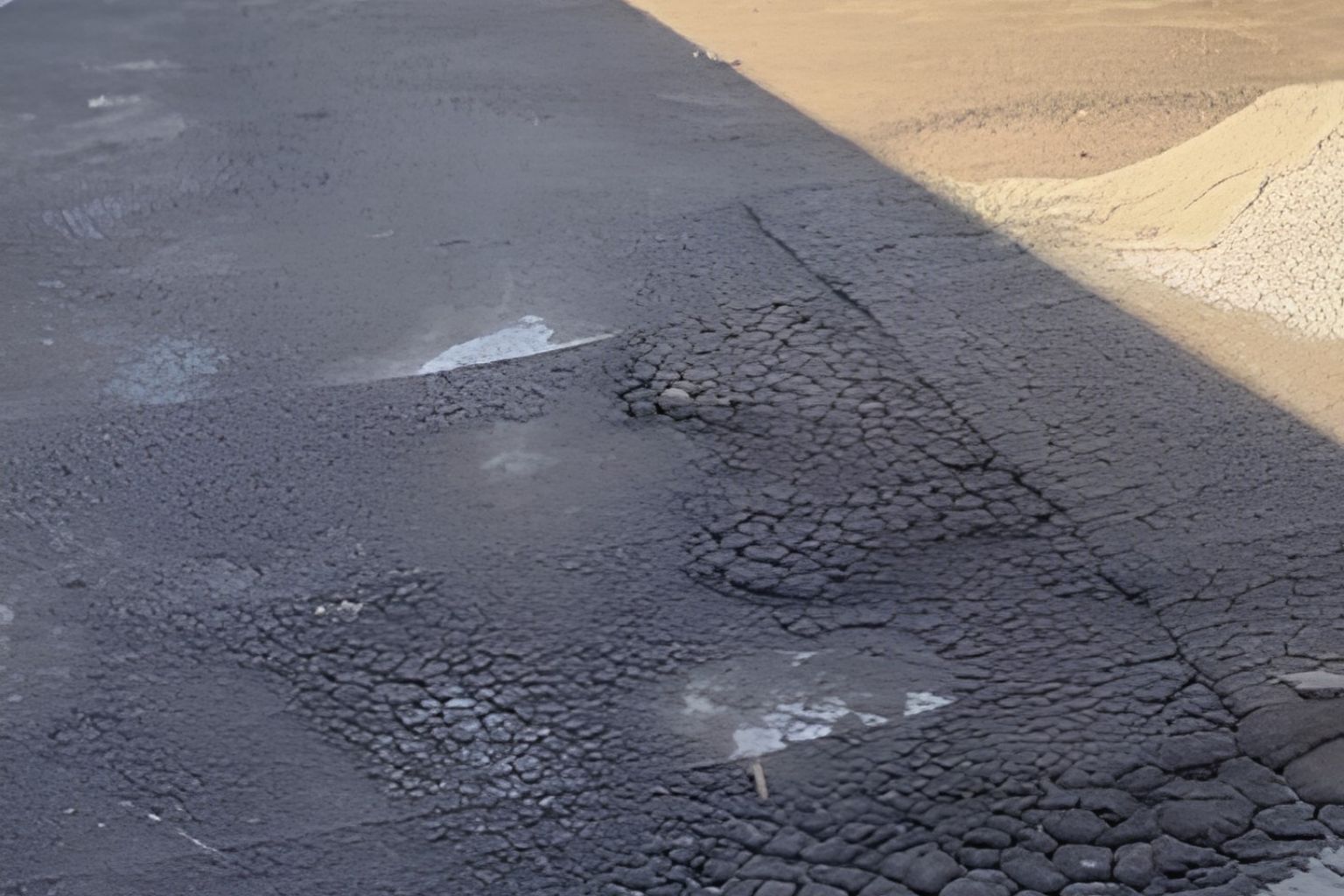
A lot of recurring commercial leaks have less to do with one “bad spot” and more to do with movement and stress.
Common causes include:
- Thermal expansion and contraction (big temperature swings)
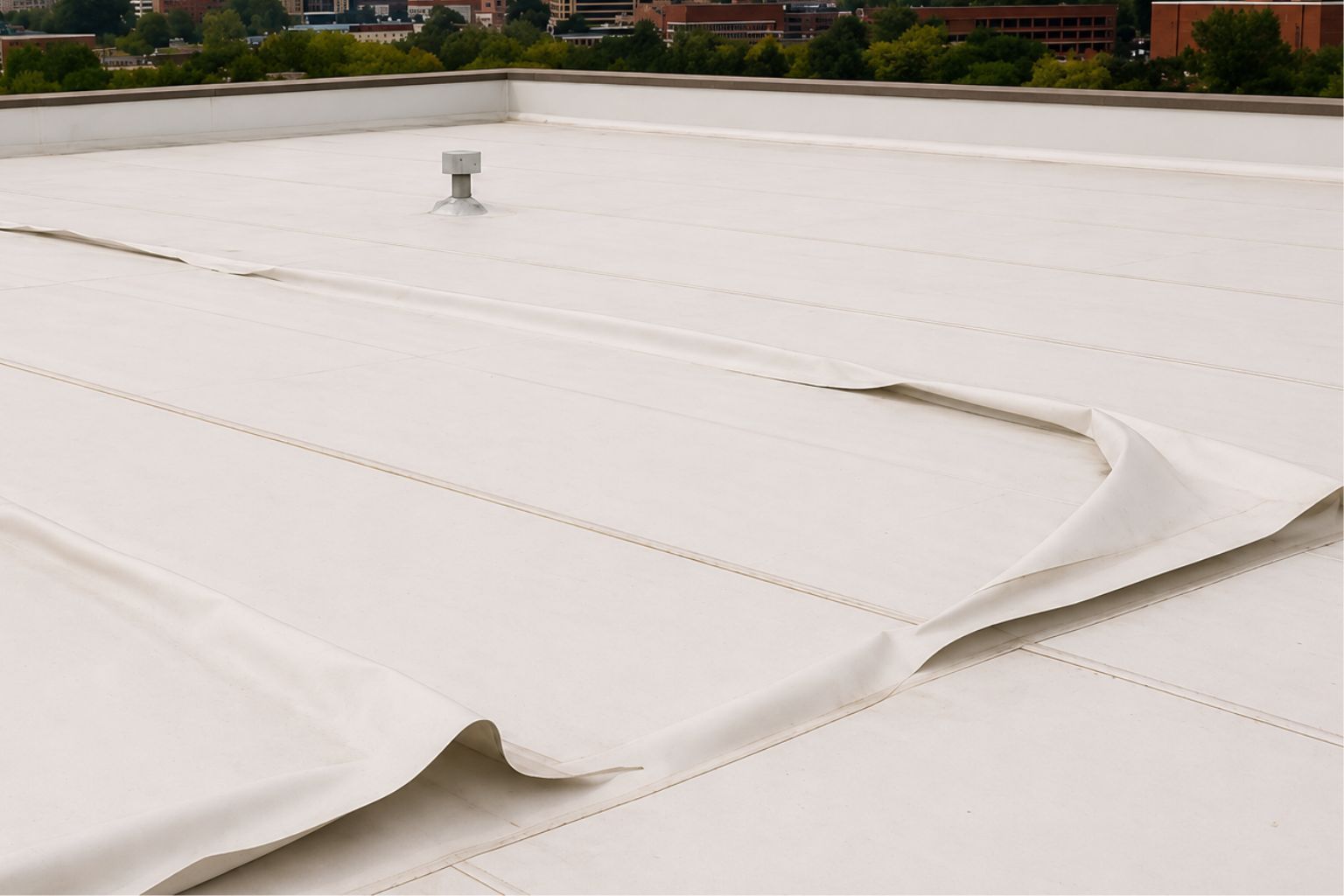
- Seams and laps separating
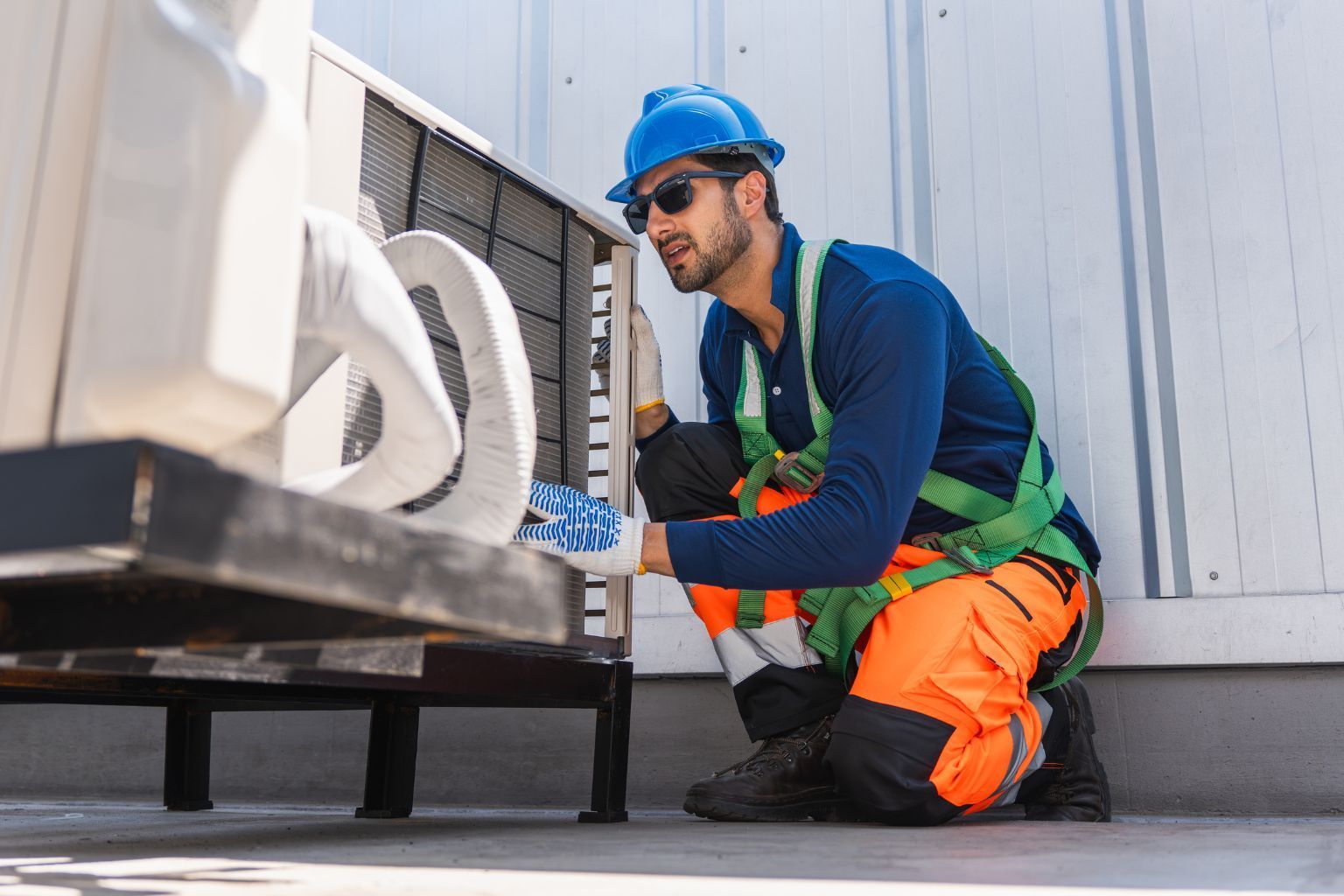
- Penetrations (HVAC curbs, vents, pipe boots, conduits)
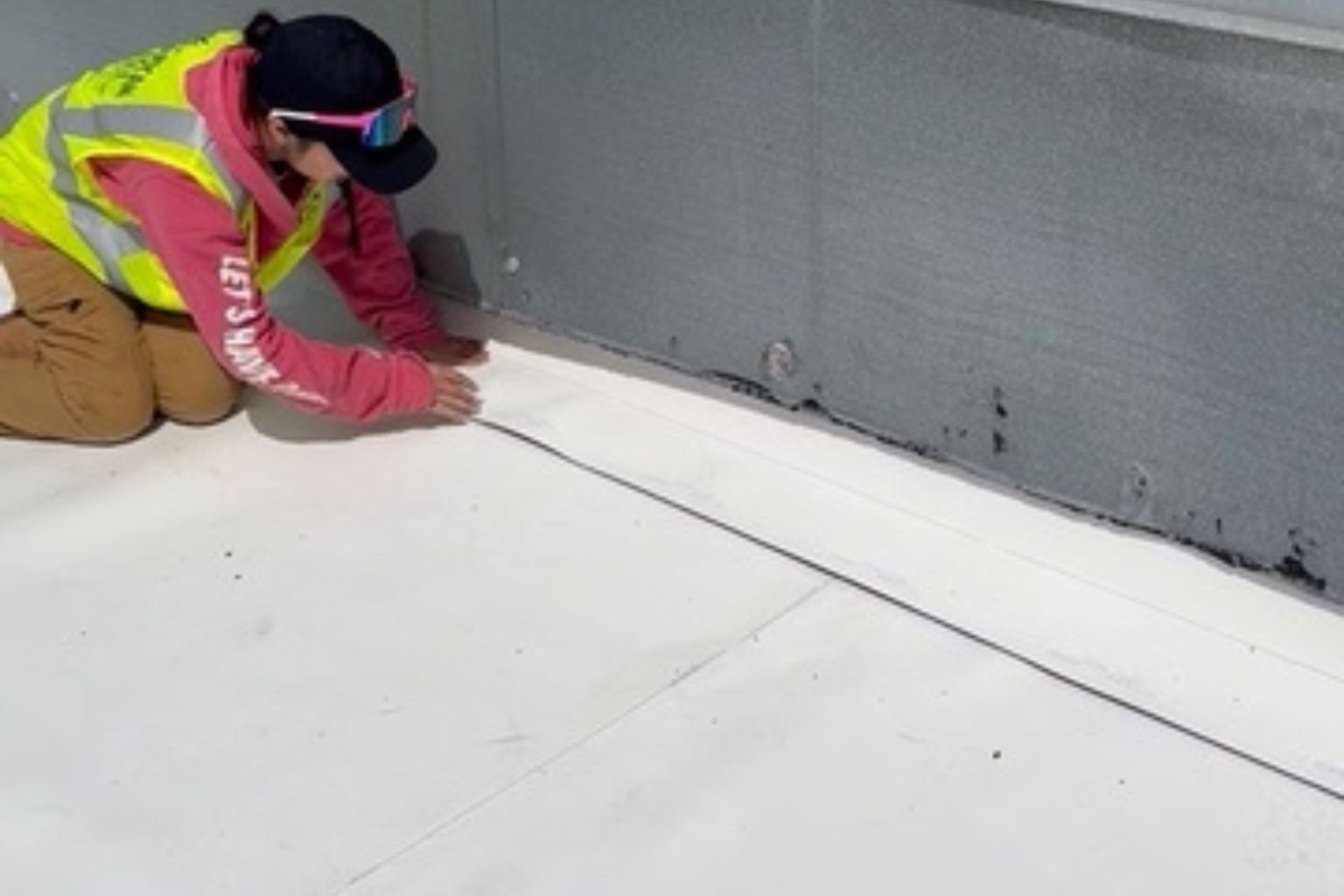
- Wall transitions and edge details
- Ponding water or poor drainage stressing seams and low areas
- Previous repairs that were too localized to solve a larger issue
If your roof is repeatedly failing at the details, you often need a system that reinforces those details—not just patches them.
When fabric-reinforced roofing works best
Fabric reinforcement is a strong option when the roof structure is still worth saving, but the roof needs extra strength at stress points.
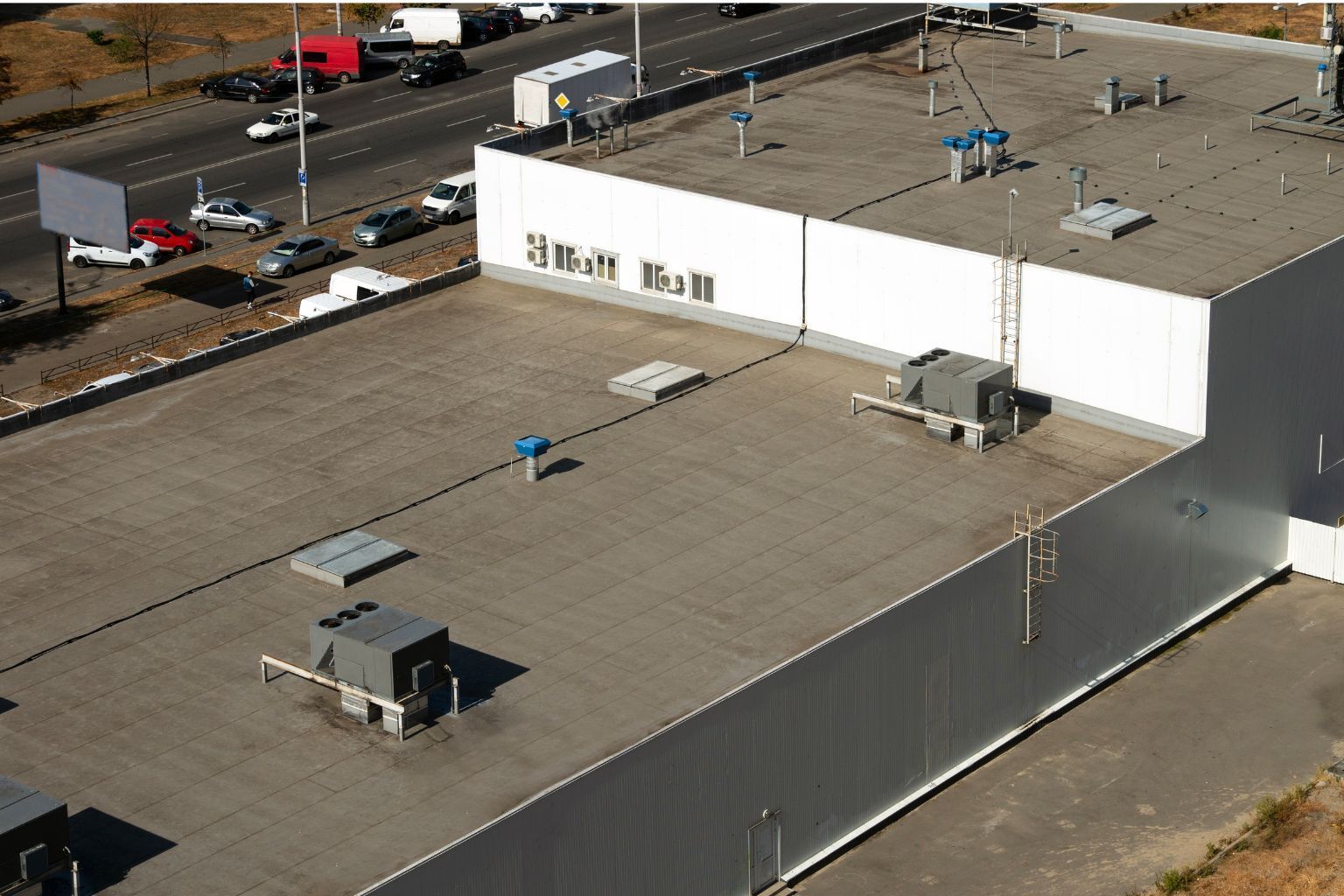
Fabric-reinforced roofing systems are a great fit for:
- Recurring seam leaks
- High-stress transitions (walls, parapets, curbs)
- Roofs with many penetrations
- Commercial buildings that can’t afford tear-off disruption
- Aging low-slope roofs where you want to extend life, not replace early
- Roofs that need a stronger restoration solution than basic coatings
In other words: if your roof is leak-prone but not structurally shot, fabric reinforcement can be the bridge between constant repairs and full replacement.
Key benefits of fabric-reinforced roofing systems (commercial reality)
1) Reinforces seams and problem details
Most roof failures start at seams, penetrations, and transitions. Fabric reinforcement strengthens the areas that fail first.
2) Handles roof movement better than coatings alone
The fabric layer helps distribute stress, which can reduce splitting, tearing, and repeat cracking.
3) Extends roof life without a full tear off (when the roof qualifies)
Restoration can be less disruptive than replacement—especially for occupied facilities.
4) Reduces leak risk long term (when installed correctly)
The biggest wins come when the system is paired with correct prep and repairs—not shortcuts.
What does the fabric-reinforced roof restoration process look like?
Every project is different, but a professional approach generally includes:
- Commercial roof inspection & condition assessment
- Surface prep (cleaning + adhesion-ready prep)
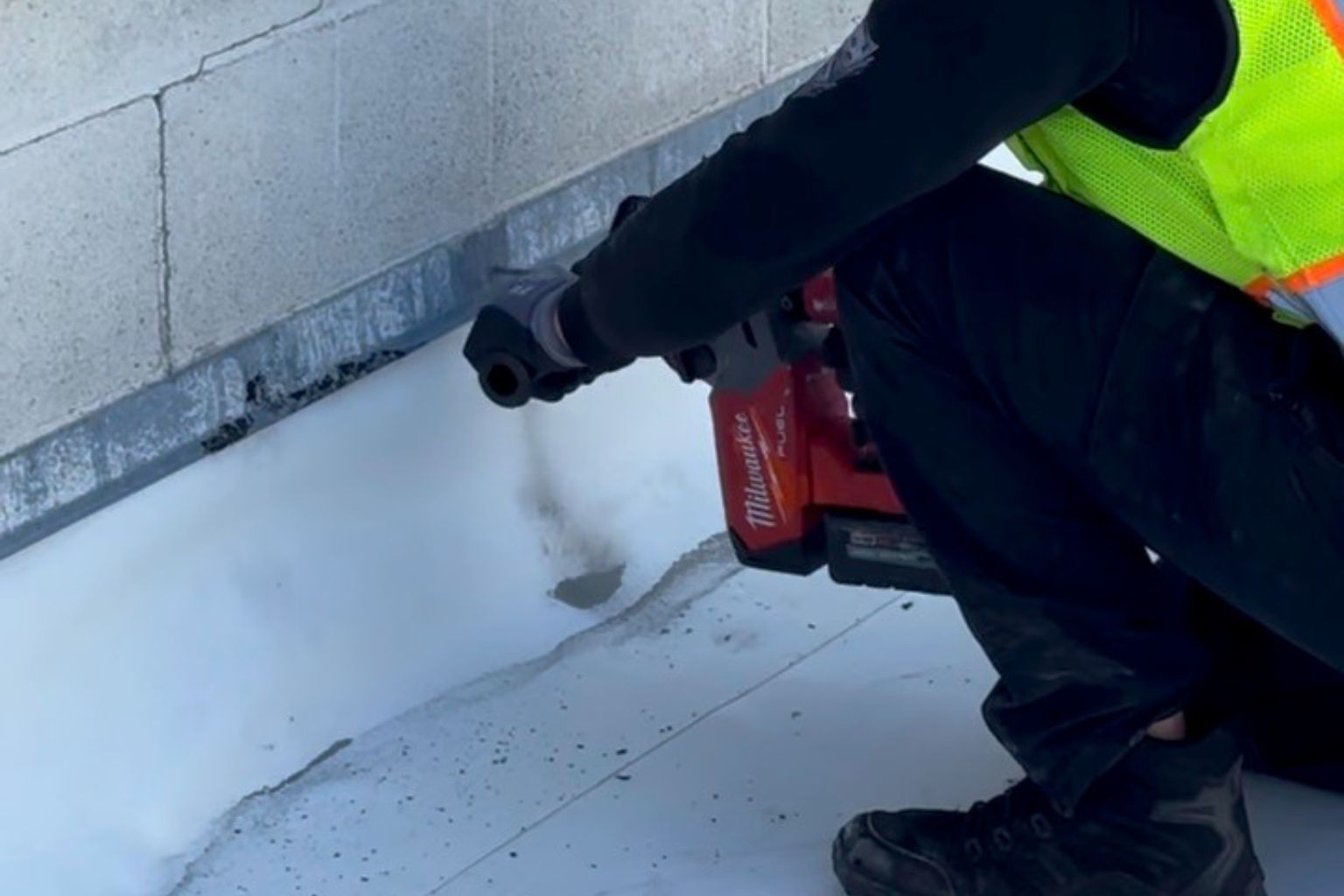
- Targeted repairs at seams, penetrations, flashing, transitions
- Fabric embed in high-stress areas (reinforcement layer)
- Coating application to form a continuous protective membrane
- Final walkthrough + maintenance plan
If someone skips steps 1–3 and jumps straight to coating, that’s when restoration systems fail early.
When fabric-reinforced roofing is NOT the right fit
This is important: fabric reinforcement is not a magic fix for a roof that’s already beyond saving.
Fabric-reinforced roofing is usually not recommended when you have:
- Widespread trapped moisture / saturated insulation
- Structural deck issues
- System-wide failure across most of the roof
- Severe deterioration that requires major rebuild
In these cases, replacement (or partial tear-off strategies) may be the smarter long-term move.
Fabric-reinforced roofing vs roof replacement: how to decide
Here’s a simple decision framework:
Restoration (fabric-reinforced) is typically a smart move when:
- The roof structure is sound
- Problems are concentrated in seams/details
- You want less disruption and strong ROI
Replacement is typically smarter when:
- Moisture is widespread
- Deck is compromised
- Failures are systemic across the roof
The best path is always the same: inspect first, then decide based on actual condition, not assumptions.
The next step: find out if your roof qualifies
If you’re seeing recurring leaks or seam issues on a commercial roof, a fabric-reinforced roofing system might be the best long-term fix — but only if the roof is a good candidate.
Want a clear answer?
American Eagle Roofing & Coating can evaluate your roof and tell you whether a fabric-reinforced system is the right solution or if replacement should be planned.
Learn more about Fabric-Reinforced Roofing Systems here:
https://www.aeroofingllc.com/fabric-reinforced-roofing-systems
FAQ
How long do fabric-reinforced roofing systems last?
It depends on roof condition, prep quality, and maintenance. A properly installed system can extend roof life significantly when the roof qualifies.
Is fabric-reinforced roofing better than standard coatings?
For roofs with seam failures, movement, and high-stress details, fabric reinforcement can provide added strength that coatings alone may not.
Can fabric reinforcement stop recurring seam leaks?
It’s specifically designed to reinforce seams and transitions—two of the most common leak sources on commercial roofs.
How do I know if my roof is a candidate?
A commercial roof inspection can confirm whether moisture or structural issues rule out restoration and what scope is required for long-term performance.