Commercial Roof Inspection Guide: The Process That Prevents Leaks and Avoids Replacement
Everything a commercial owner should know: inspection checklist, report essentials, cost drivers, and next-step recommendations that protect your budget.
A commercial roof inspection is not just a walk on the roof. It’s an asset decision tool. Done right, it helps you stop recurring leaks, prevent emergency calls, and confidently decide whether your roof should be restored (coatings / fabric reinforcement) or replaced—based on documented facts, not opinions.
If you’re a commercial owner, property manager, or maintenance manager in Western WI / Eastern MN, this guide breaks down how inspections work, what you should receive, and how to turn findings into a plan that protects your building and budget.
Table of Contents
What is a commercial roof inspection and why does it matter?
What does a commercial roof inspection include?
How often should a commercial roof be inspected in WI/MN?
What should an inspection report include so it’s actually useful?
How much does a commercial roof inspection cost and what drives price?
How do inspections lead to coatings, reinforcement, or replacement decisions?
FAQ
What is a commercial roof inspection and why does it matter?
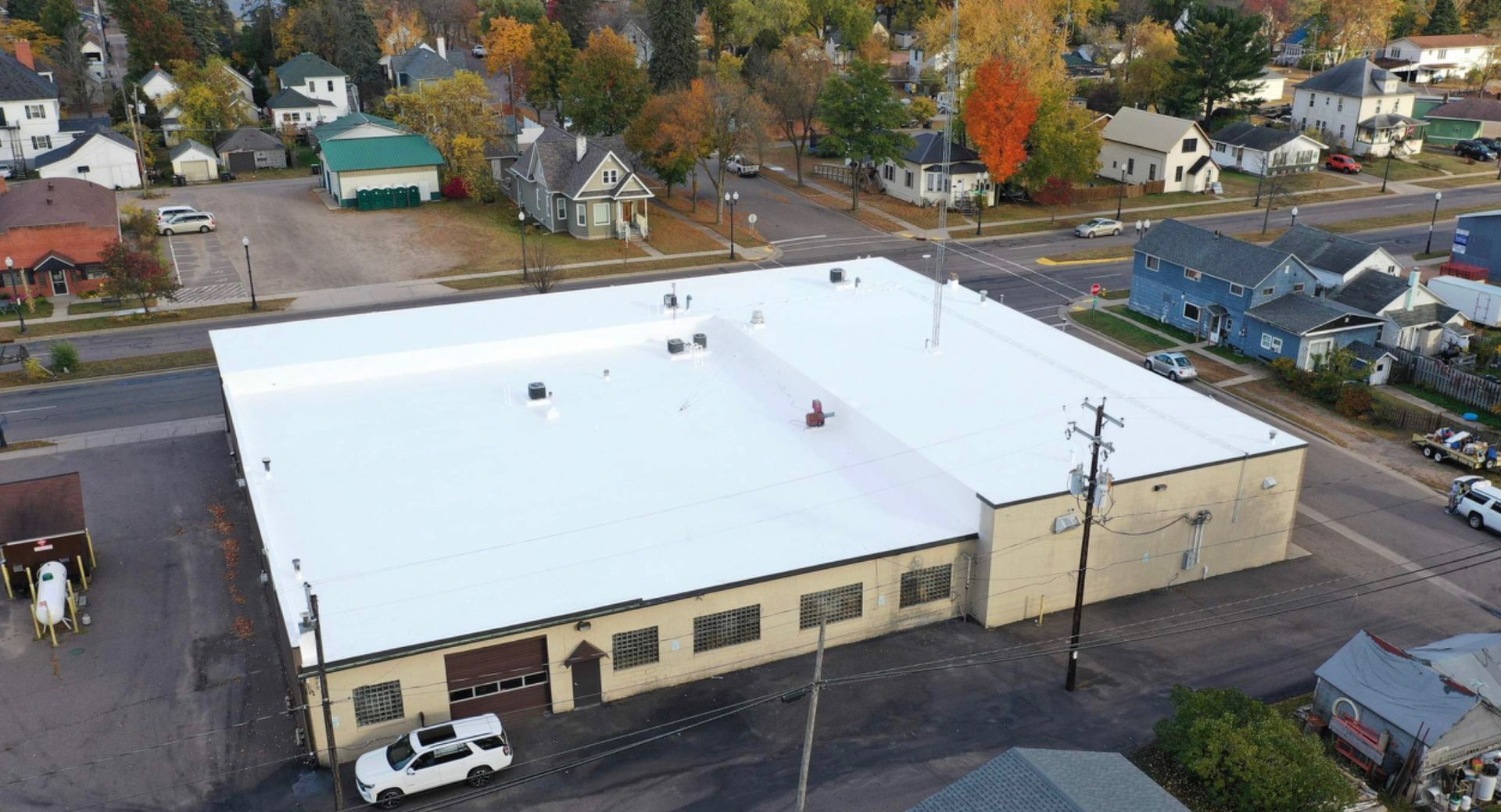
A commercial roof inspection is a documented evaluation of your roof’s condition that identifies leak risks, prioritizes repairs, and supports a restore-vs-replace decision.
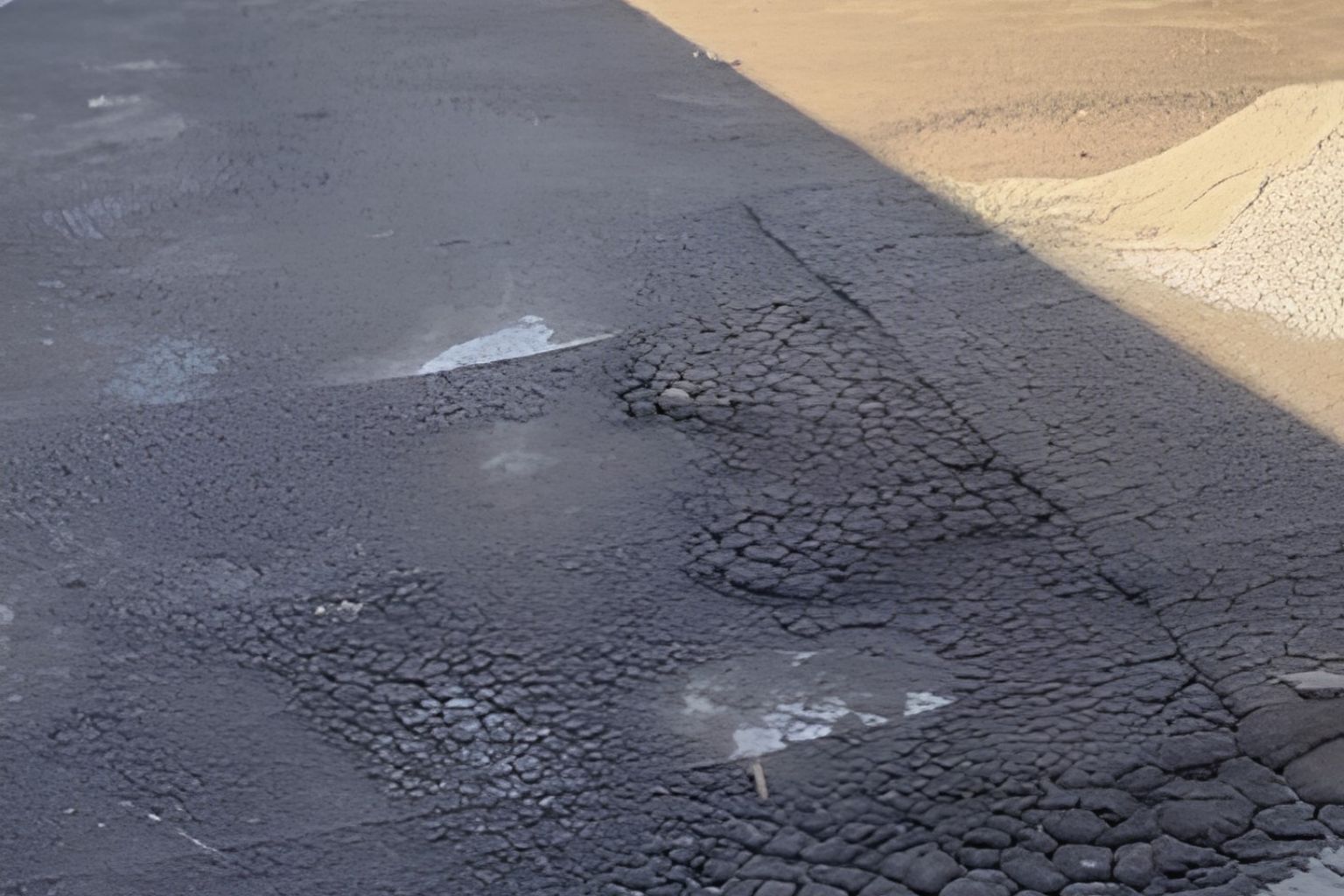
Most roof failures aren’t sudden. They build quietly at the same places:
- seams and laps
- penetrations (HVAC curbs, vents, pipes)
- edges and transitions
- drainage points and ponding zones
What this means for you: a proper inspection is how you convert unknown risk into a clear plan, so you’re not reacting to leaks at the worst time.
Learn more about how to choose when you can repair and when you have to replace.
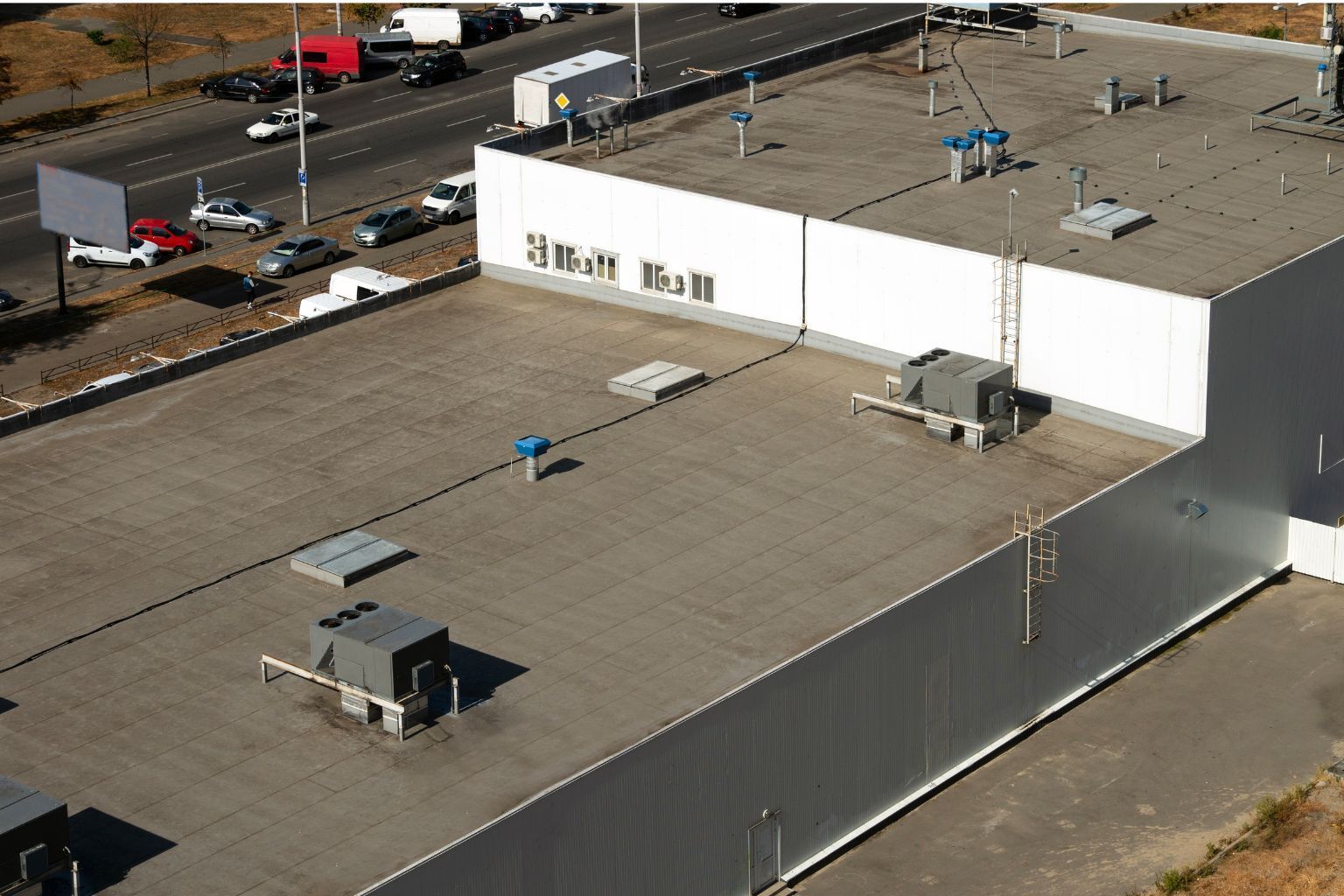
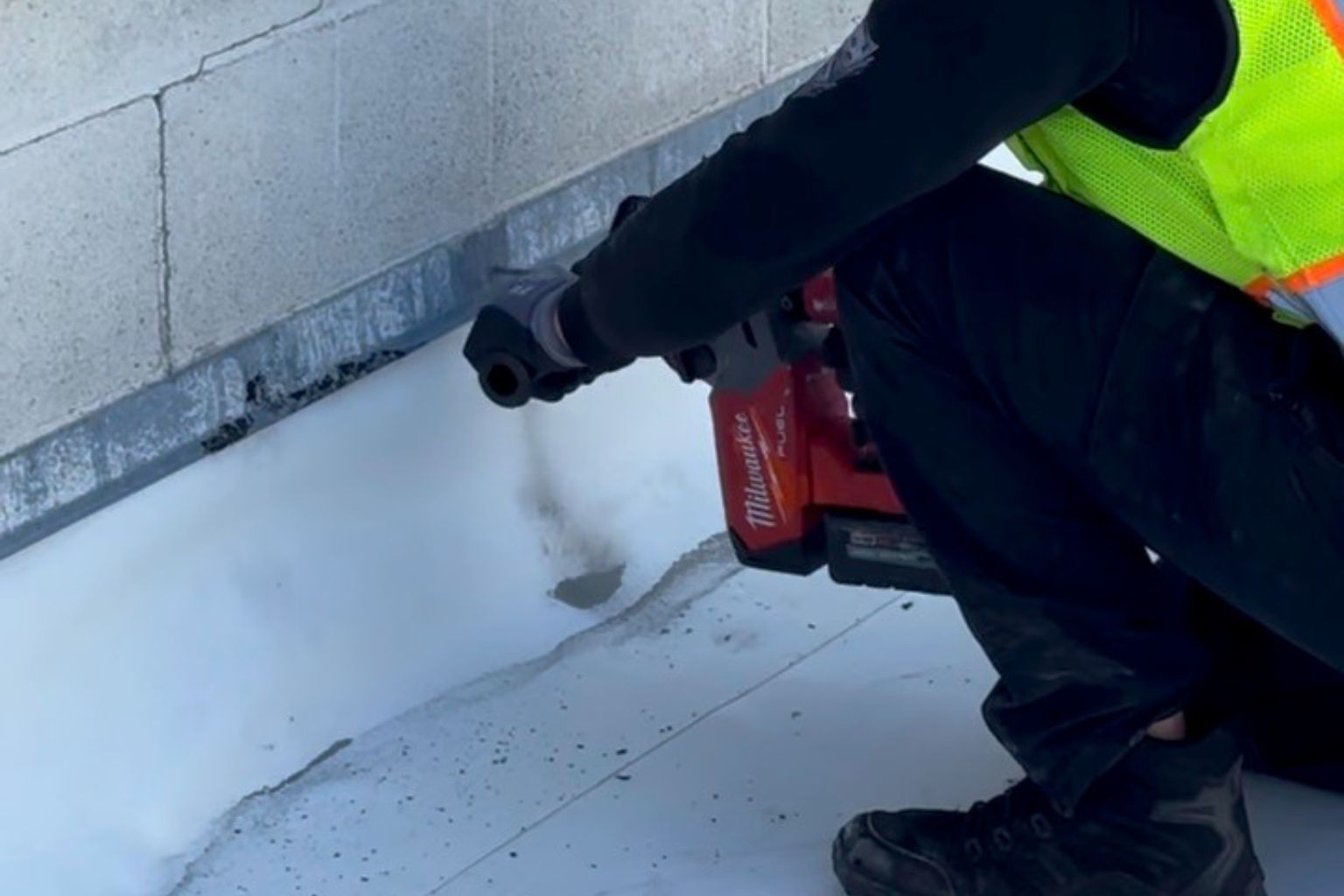
A real inspection checks the roof field, seams, penetrations, edges, and drainage—then documents what was found with photos and priority ratings.
Here’s what should be evaluated on most commercial systems:
- Roof surface condition
- membrane/panel wear, splits, punctures, rust
- coating condition (if coated): cracking, peeling, thin spots
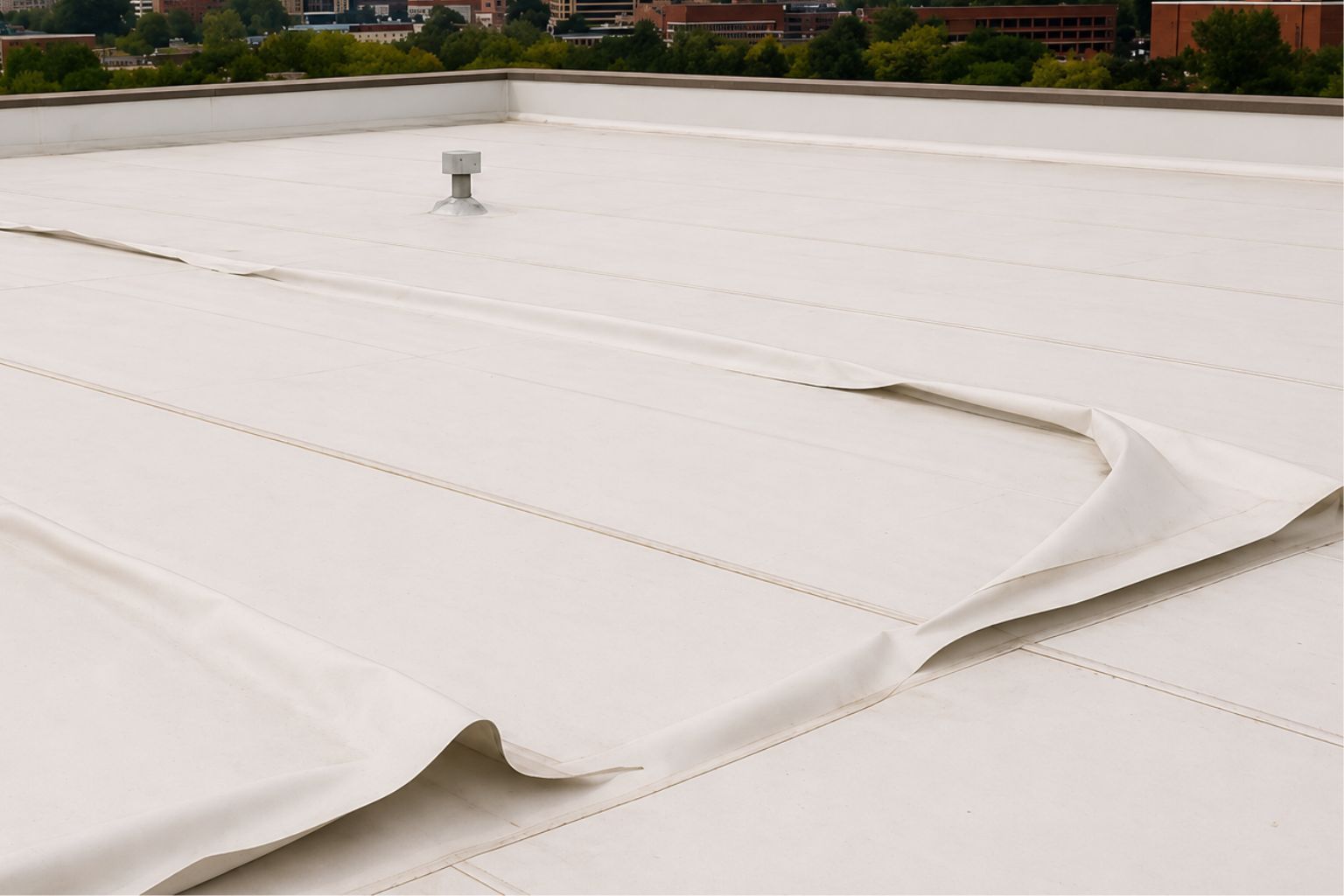
- Seams, fasteners, and transitions
- seam separation, stress lines, loose fasteners
- transition points where materials meet (common leak zones)
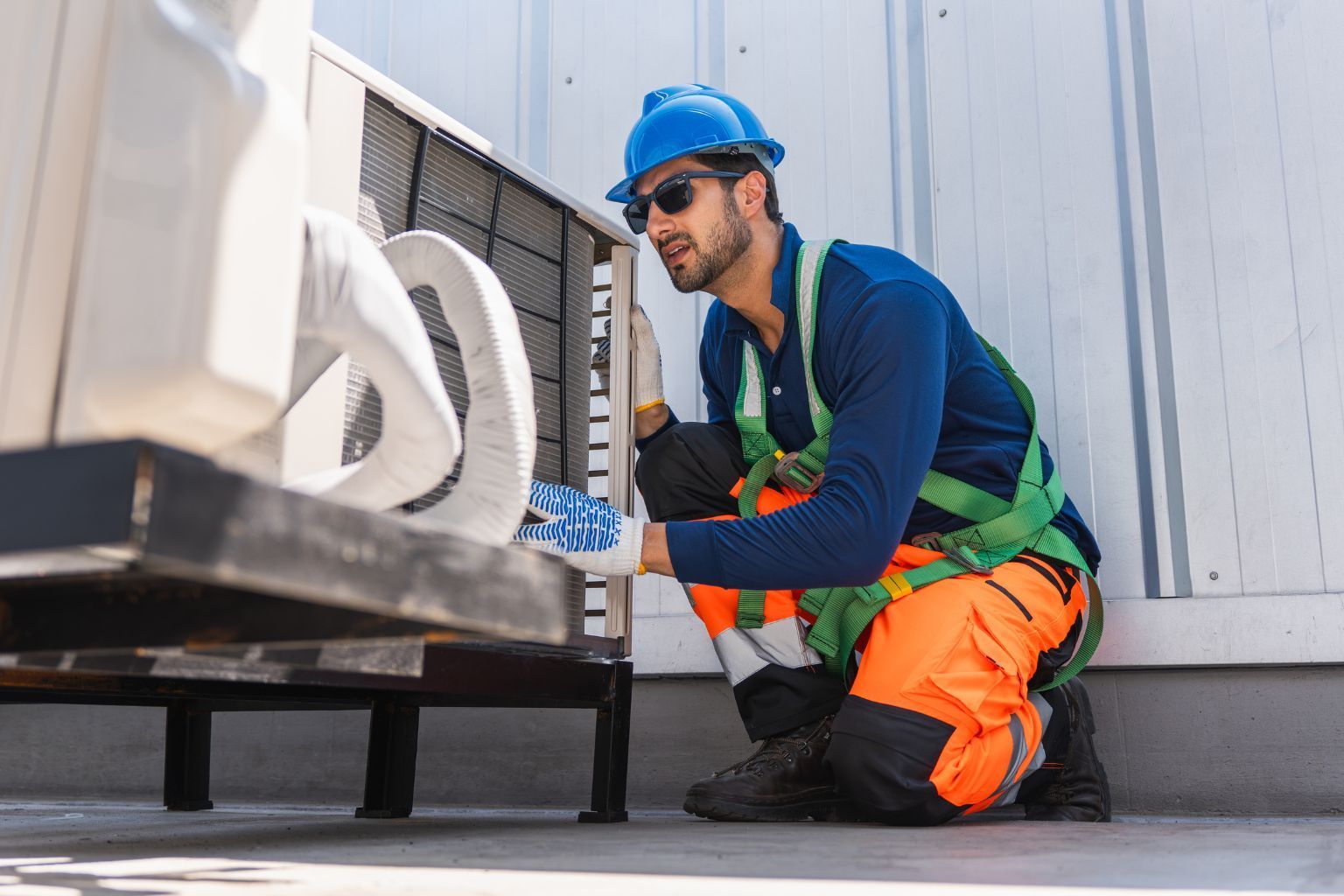
- Penetrations and curbs
- HVAC curbs, vents, stacks, pipe boots
- sealant integrity and flashing details
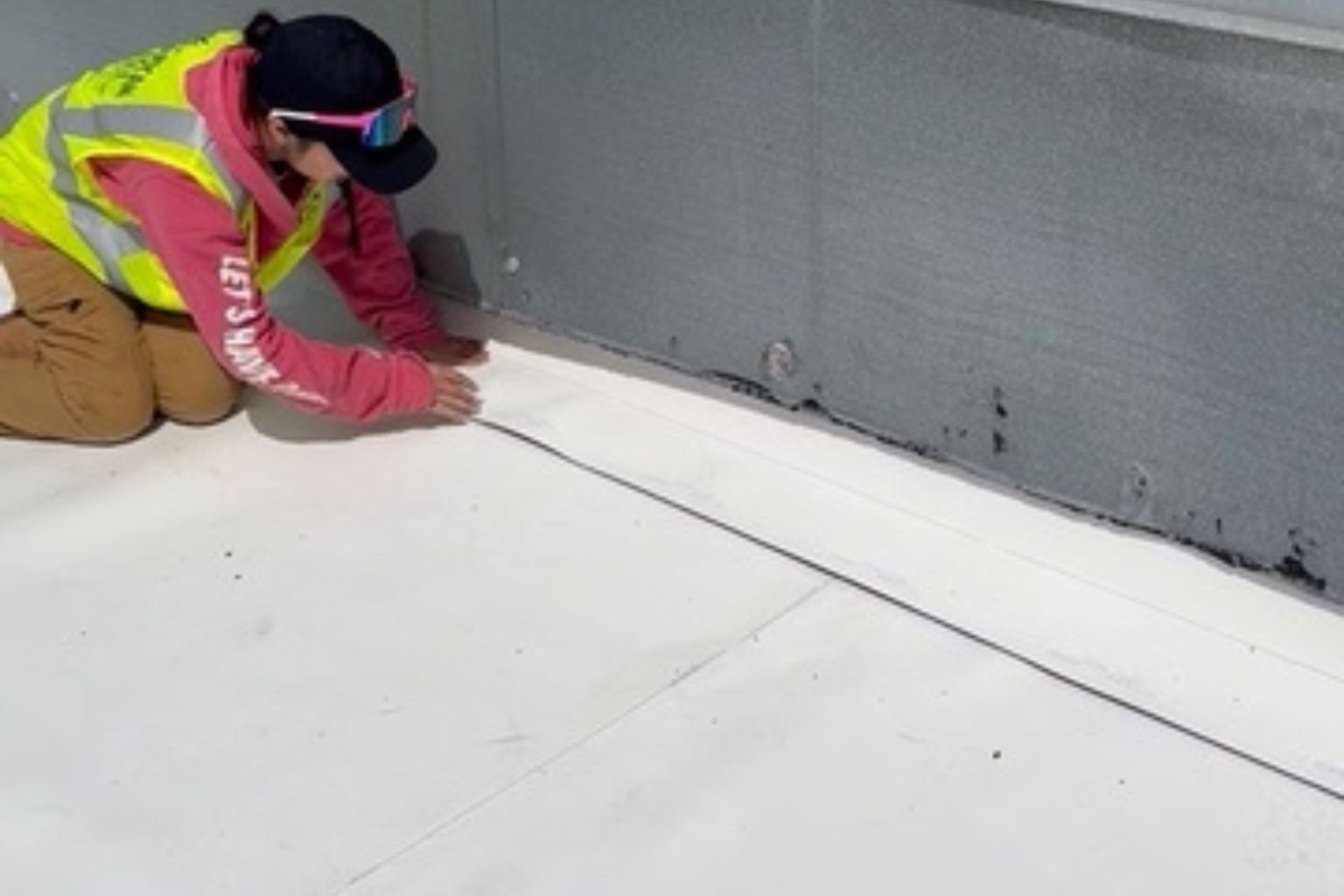
- Edges and terminations
- parapets, coping, edge metal movement
- term bar or flashing pull-back
- Drainage performance
- ponding water areas
- drains/scuppers blocked or slow
- slope issues that accelerate deterioration
What this means for you: inspections aren’t about “finding something wrong.” They’re about identifying the few high-risk failure points that cause 80% of your leaks.
How often should a commercial roof be inspected in WI/MN?
Most commercial roofs should be inspected twice per year—spring and fall—plus after major storms or rooftop work.
In our climate, freeze/thaw cycles and snow load make timing important:
- Spring inspection: catches winter stress, seam fatigue, drainage issues
- Fall inspection: seals vulnerabilities before winter and checks drainage
- Add an extra inspection when:
- you’ve had wind/hail events
- new rooftop equipment was installed
- you had an interior leak and want to confirm root cause
- you’re planning coatings/restoration in the next 6–12 months
What this means for you: inspections become a budgeting tool. They let you plan repairs/restoration before winter forces your hand.
Schedule your FREE commercial roof inspection here.
What should an inspection report include so it’s actually useful?
A useful inspection report gives you photos, mapped locations, priorities, and clear next steps—not vague recommendations.
If you manage buildings, you need something you can take to ownership and say: “Here’s the situation and here’s the plan.”
Your report should include:
- Photo documentation (wide + close-up for each issue)
- Roof plan or marked locations (where each issue is)
- Priority ratings: Now / Soon / Monitor
- Recommended actions tied to findings (repair, restore, reinforce, replace sections)
- Budget guidance (ranges are fine)
- Timeline guidance (what must happen before winter, what can wait)
Red flag: If you don’t receive photos and a priority list, you didn’t get risk reduction—you got a walk.
What this means for you: a real report prevents “random patching.” It creates a system: inspect → fix root causes → extend life.
How much does a commercial roof inspection cost and what drives price?
Inspection cost depends on roof size, access, system complexity, and the level of documentation/diagnostics required.
Main cost drivers:
- total square footage and number of roof areas
- roof height/access and safety requirements
- type of roof (metal vs single-ply vs mixed systems)
- number of penetrations/equipment curbs
- whether advanced diagnostics are included (when needed)
- reporting depth (photos, mapping, priorities, budget guidance)
What this means for you: A good inspection often saves more money than it costs by preventing interior damage and premature replacement decisions.
Schedule a Commercial Roof Inspection
How do inspections lead to coatings, reinforcement, or replacement decisions?
The inspection should answer one core question: can this roof be restored reliably—or is replacement the only honest option?
Here’s the simple decision framework:
1) If the roof is structurally sound → restoration is on the table
Restoration options often include:
- metal roof coatings (when panels are sound and leaks are detail-driven)
- membrane roof coatings (when the membrane can be stabilized)
- fabric-reinforced systems (when recurring leaks/movement zones need more strength)
2) If problems are localized → targeted repair + restoration works
This is common when:
- leaks are at seams/penetrations
- fasteners are failing
- details are aging but the field is still viable
3) If deterioration is widespread or structural → replacement may be necessary
Replacement becomes likely when:
- panels/membrane are failing broadly
- corrosion/perforation is widespread
- underlying conditions make restoration unreliable
What this means for you: you gain control. Instead of “leak → emergency,” you get “inspection → plan → restoration → maintenance.”
Resources:
NRCA (National Roofing Contractors Association) roof maintenance guidance
ENERGY STAR cool roof basics (Reflective roof coatings make your roof cooler. This has the potential to save you thousands on your energy costs anually. Learn more about how a cool roof can help you save)
Start with the Free commercial roof inspection
If you’re in Western WI / Eastern MN and want to stop leaks and avoid replacement unless it’s truly necessary:
Book a commercial roof inspection. We’ll deliver a clear, photo-documented plan showing:
- what’s urgent
- what can wait
- whether coatings / fabric reinforcement can extend roof life
- and what a realistic next-step scope looks like
Schedule a Commercial Roof Inspection
FAQ
How long does a commercial roof inspection take?
Roof inspection times can vary depending on the size of the roof, but most can be completed in less than 2 hours.
Can you inspect a commercial roof during winter?
Yes, but ice has the potential to hide flaws. It's best to get your inspection when in the fall before the winter months.
Do I need an inspection before coating the roof?
Yes, inspections are always necessary so you can fully understand the condition of the roofs structure..
What are the most common leak sources on commercial roofs?
The most common sources of leaks are seam failure, roof drains backed up, ponding water, HVAC units, and vents
What should I do first if I see interior staining?
Call immediately and get a roof inspection so the leak can be identified.