The Commercial Roof Inspection Checklist Every Facility Manager Should Use
Most Commercial Roofs go unchecked.
Most commercial roofs don't fail because of one catastrophic event. They fail because dozens of small problems went unnoticed for years. A flashing pulls away from a curb. A drain clogs and water pools for six months. A seam opens up under freeze-thaw stress and nobody walks the roof until the ceiling tile falls.
By then, you're not talking about a repair. You're talking about a section replacement — or worse, a full tear-off.
This checklist exists so that doesn't happen to your building.
We built it from what we actually see on commercial roofs across Western Wisconsin and Eastern Minnesota — not from a textbook. These are the 12 things that cause the most damage when they go unchecked, and the 12 things we look at on every inspection we perform.
Print it. Walk your roof with it. Or hand it to us and let our crew do it for you.
Want the print-and-walk version? Download the free checklist PDF — both the 12-point inspection and the seasonal maintenance schedule on two pages you can take up on the roof.
Who is this commercial roof inspection checklist for?
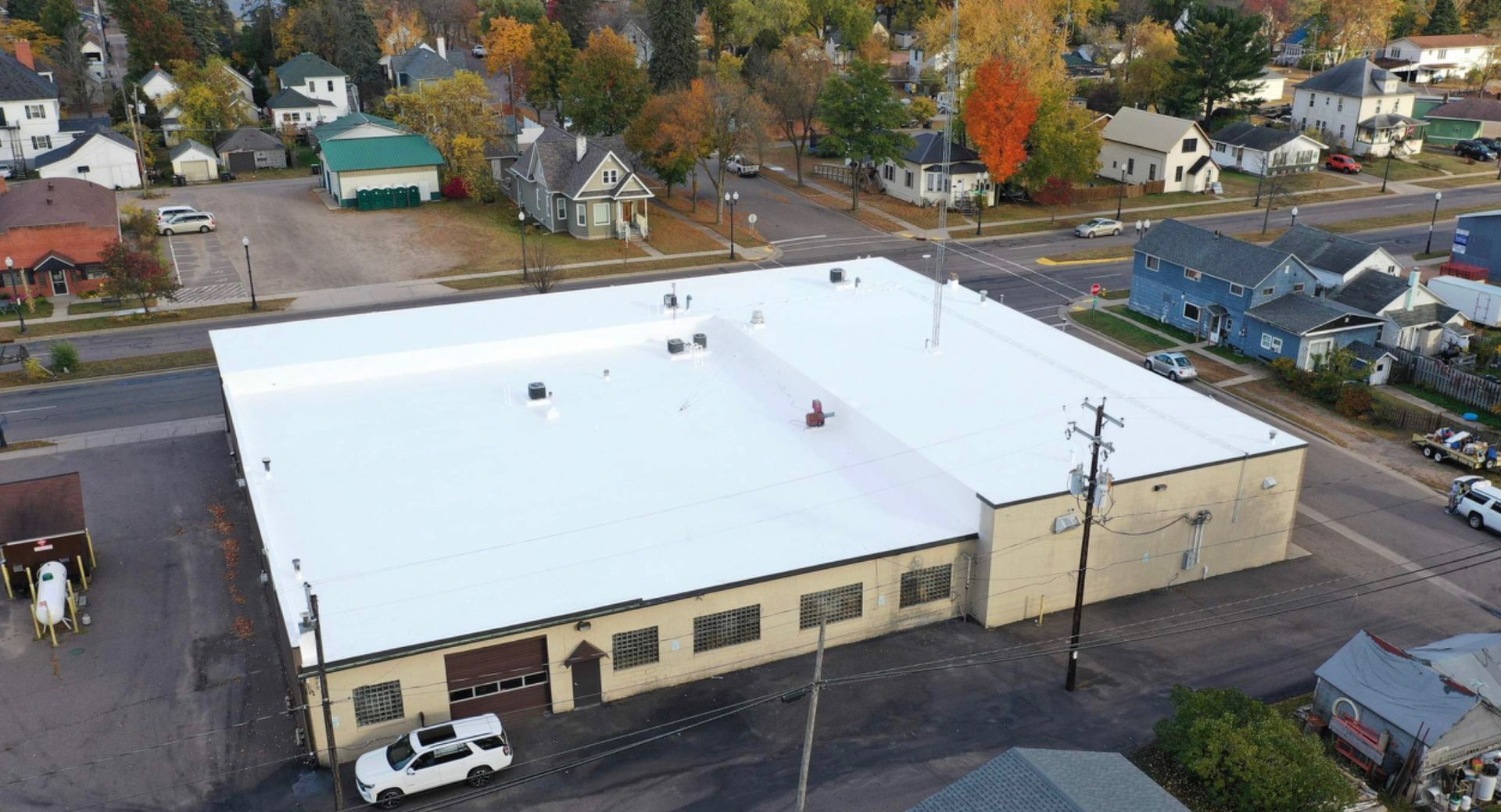
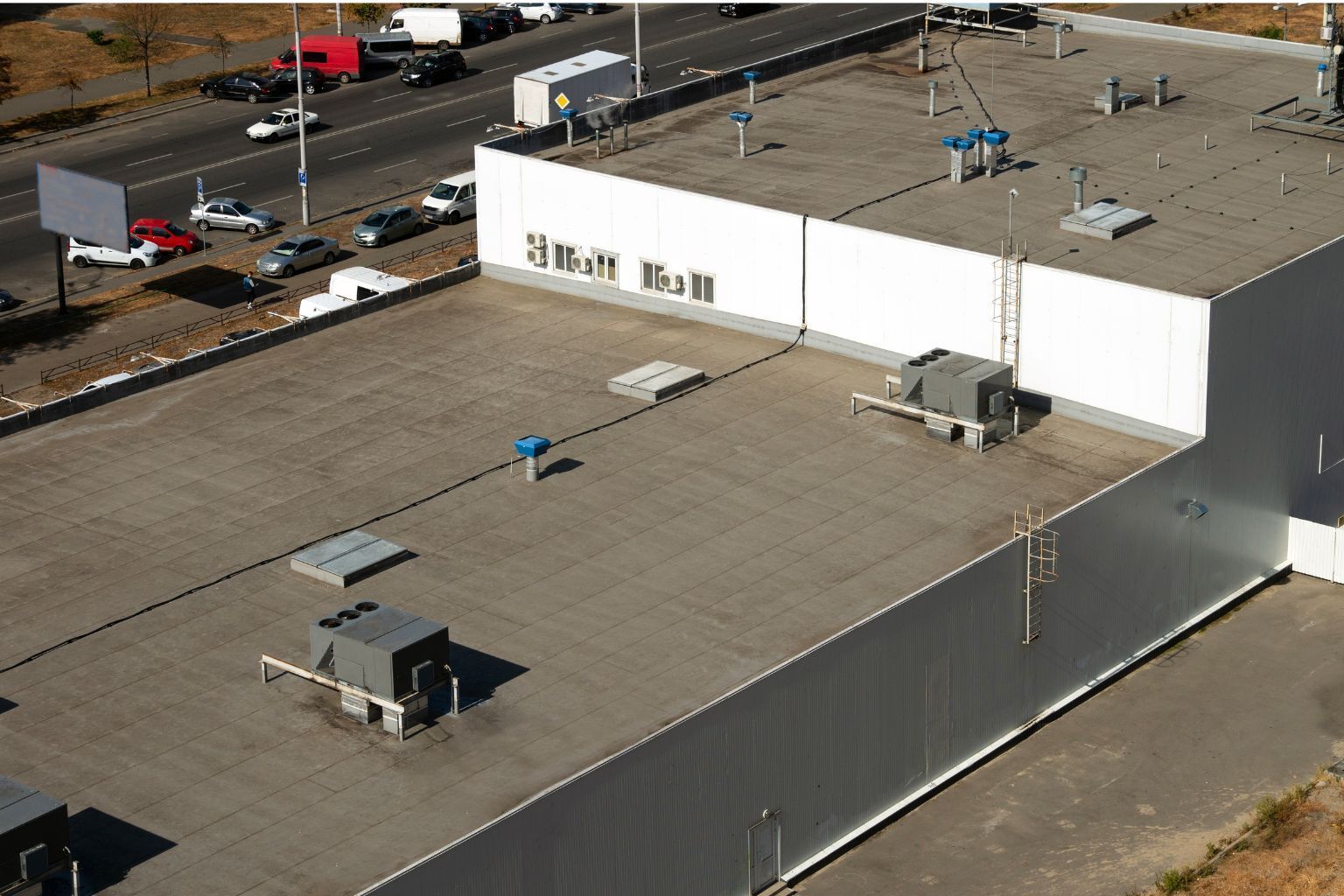
This is written for building owners, property managers, and facility managers responsible for commercial flat roofs — metal, single-ply membrane (TPO, EPDM, PVC), or built-up systems.
If you manage a warehouse, manufacturing facility, retail building, office complex, or multi-tenant property in the WI/MN region, this applies to you.
If you're a homeowner, this isn't the right resource. We only work on commercial roofs.
When should you inspect your commercial roof?
Walk your roof — or have it walked — at minimum twice per year. For Western Wisconsin and Eastern Minnesota, the two most important times are:
Early spring (March–April): After the freeze-thaw cycle has done its damage. Snow load, ice dams, and temperature swings between -10°F and 40°F stress every seam, flashing, and membrane surface on your roof. Spring is when you find what winter did. We wrote a separate guide on what to inspect on your commercial roof after a WI/MN winter that covers the season-specific damage patterns in detail.
Late fall (October–November): Before the snow arrives. Clear drains, check membrane condition, and address anything that could get worse under snow load. A small issue in October becomes an emergency in January.
Additional inspections should happen after any major weather event — heavy storms, hail, sustained high winds, or significant ice accumulation.
What should you check during a commercial roof inspection?
1. Ponding Water
Walk the roof 48 hours after the last rain. Any standing water still visible is ponding. On a flat commercial roof, ponding is the single most common cause of premature failure. It accelerates membrane degradation, adds structural load, and creates leak paths at every seam it touches.
What to look for: visible water pooling, staining or discoloration where water sits repeatedly, algae or vegetation growth in low spots, sagging or deflection in the deck.
Action threshold: If water is still standing 48 hours after rain, the drainage needs to be addressed — either the drains are blocked, the slope is insufficient, or both.
We inspected a retail building in Cottage Grove, MN where the facility manager swore the roof was failing. Ceiling tiles were staining, the top-floor tenants were complaining, and he was bracing for a six-figure replacement. When we got on the roof, the membrane was in decent shape — but there was three inches of standing water in a low spot the size of a parking space. Two drains were completely clogged with debris, and the third had a collapsed basket. We cleared the drains, replaced the damaged basket, and the "failing roof" stopped leaking. That's a repair, not a replacement — and it started with this checklist item.
2. Drains, Scuppers, and Gutters
Clogged drainage is the root cause of more roof damage than most facility managers realize. Every drain, scupper, and gutter on the roof should be completely clear of debris. In our region, fall leaves, pine needles, ice buildup, and roofing granules are the most common culprits.
What to look for: debris accumulation in or around drain baskets, slow drainage during rain, overflow marks on scupper walls, gutter sag or separation from the fascia.
Action threshold: If any drain is partially blocked, clear it immediately. If drains are chronically clogging, the drainage design may need modification.
3. Membrane Condition
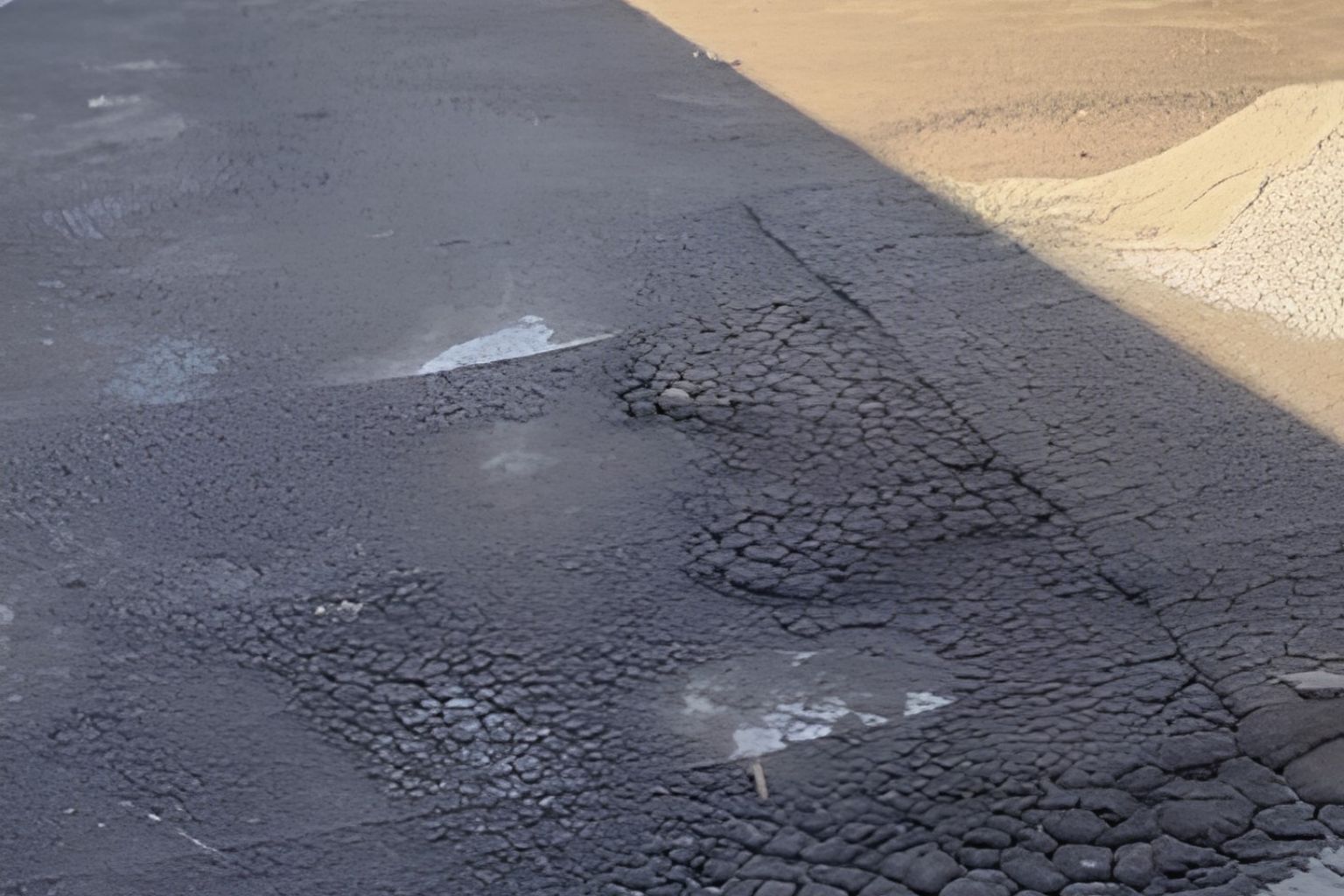
The membrane is your roof's primary defense. On single-ply systems (TPO, EPDM, PVC), you're looking for signs of aging, UV degradation, and mechanical damage. On built-up or modified bitumen systems, look for blistering, cracking, and exposed felts.
What to look for: cracks, splits, or tears in the membrane surface; blistering or bubbling; chalking or surface erosion (especially on EPDM); punctures from foot traffic, dropped tools, or HVAC service work; exposed or deteriorating reinforcement fabric.
Action threshold: Any puncture or tear that exposes the substrate needs immediate repair. Widespread cracking or chalking indicates the membrane is approaching end of life — this is when a fabric-reinforced roofing restoration or coating system becomes the smart play versus a full tear-off. Not sure which system fits your building? Our guide to choosing between fabric-reinforced and single-ply roofing breaks down the decision.
4. Seams and Laps
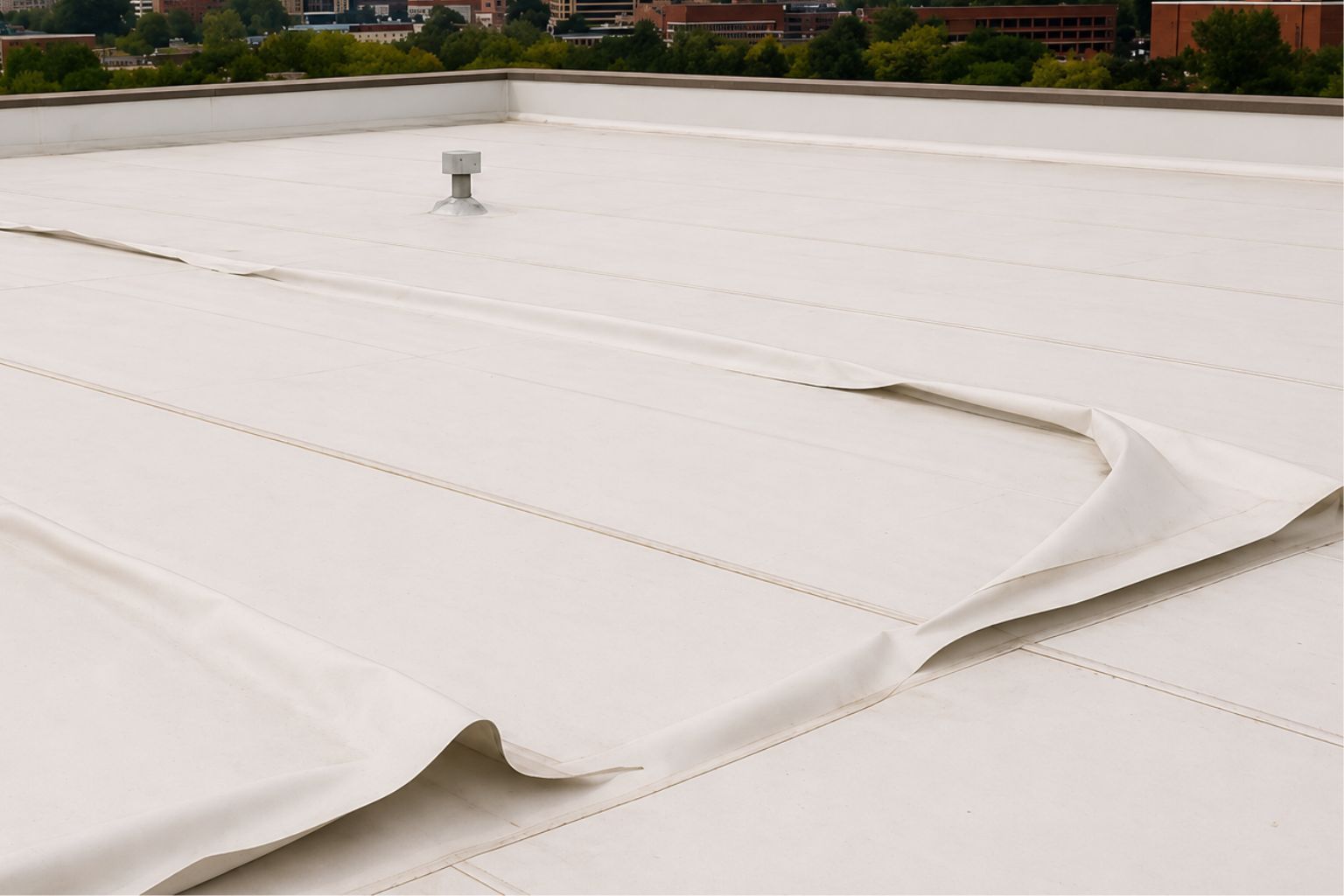
Seam failure is the number-one leak source on single-ply roofs. Every seam on your roof is a potential entry point for water, and WI/MN freeze-thaw cycles stress seams harder than most climates.
What to look for: seams pulling apart or lifting; adhesive failure (you can often slide a putty knife under a failed seam); fish-mouthing (seam edges curling up); discoloration along seam lines indicating water infiltration.
Action threshold: Any open seam is an active or imminent leak. Don't wait on this one. If seam failures are widespread, the single-ply membrane system may need restoration or replacement. If you're evaluating membrane options, see our TPO vs EPDM vs PVC decision matrix for a side-by-side comparison.
5. Flashing and Edge Details
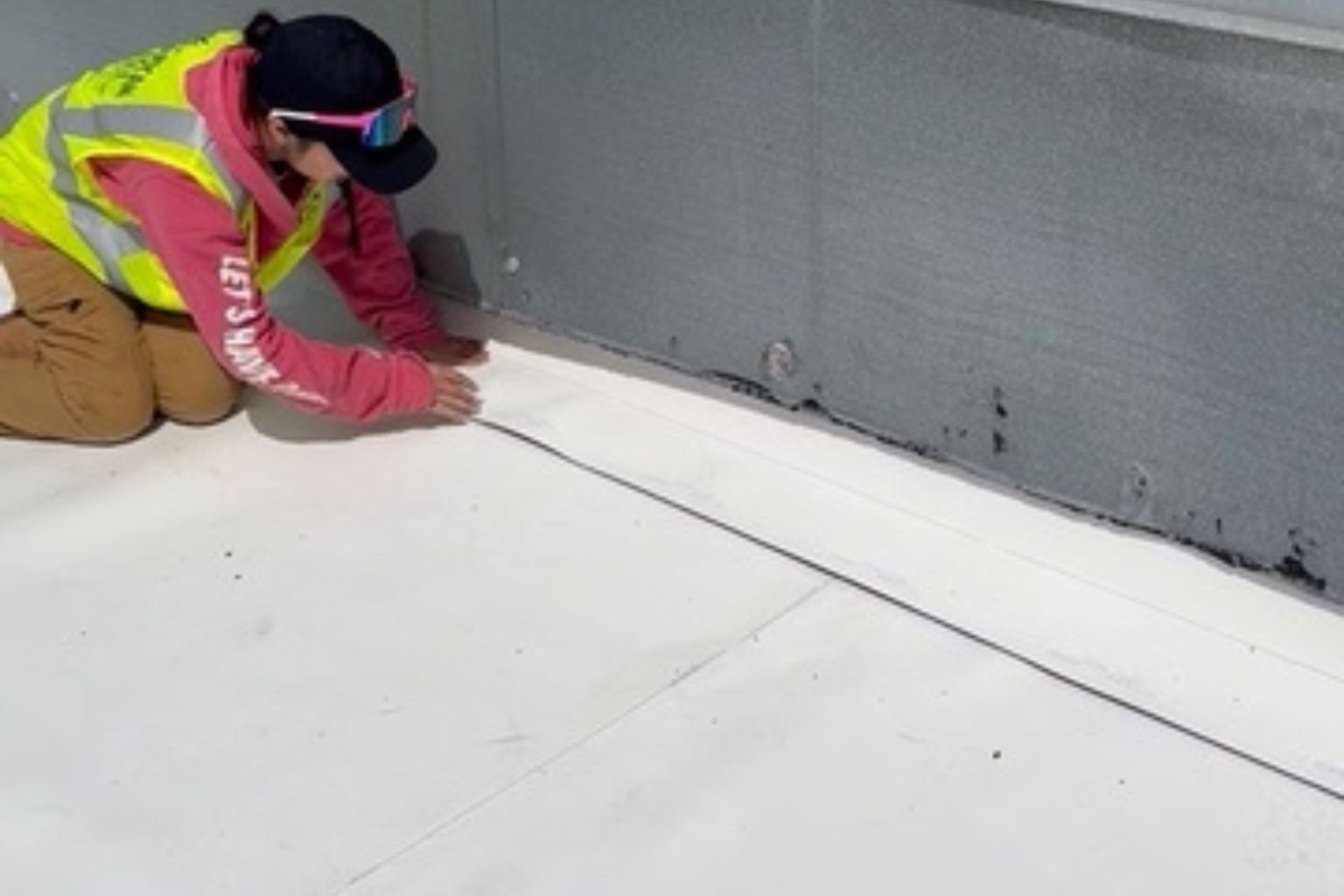
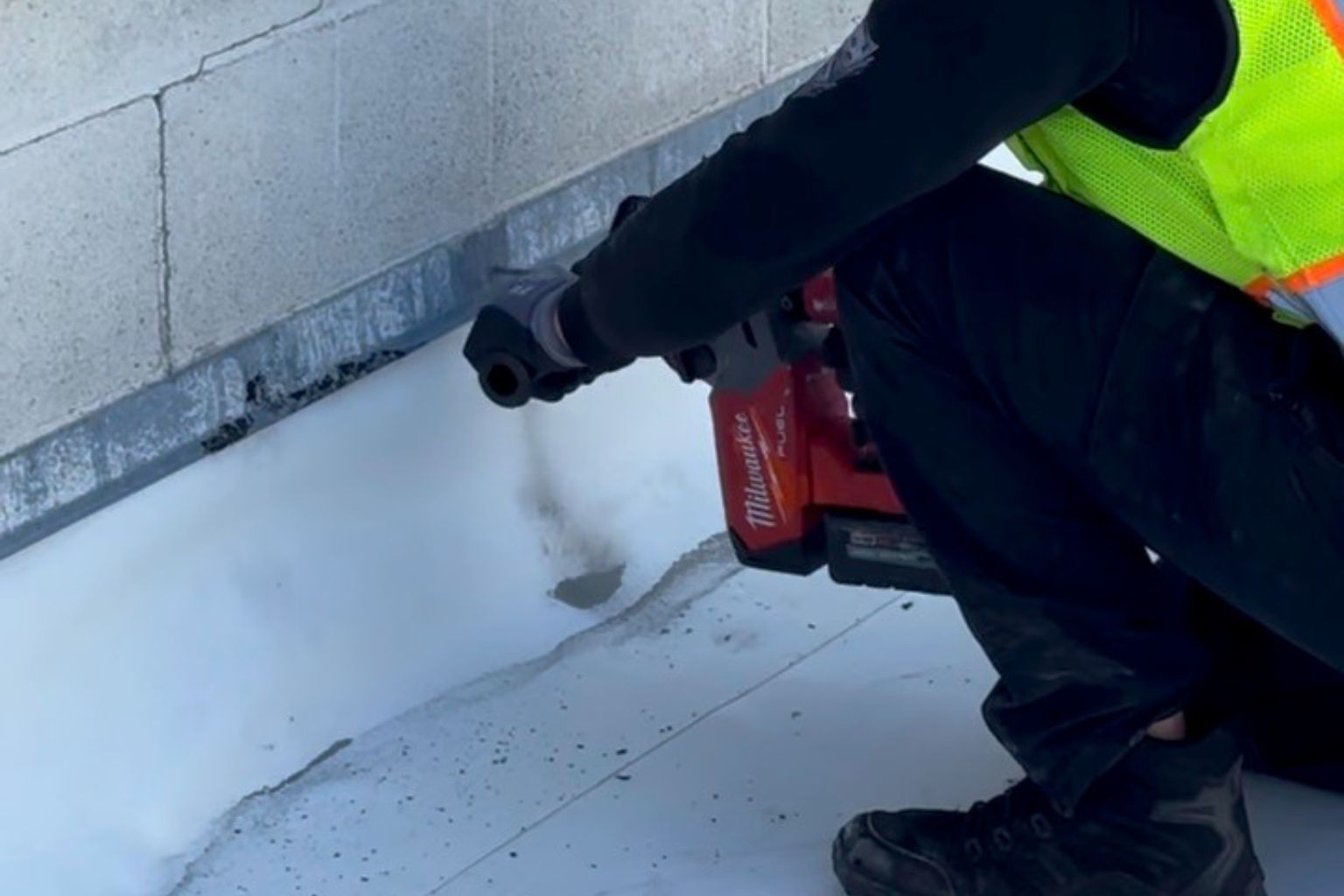
Flashings seal every penetration and edge on your roof — pipes, curbs, HVAC units, parapets, walls, and roof edges. They're also the second most common leak source after seams, because they're constantly under mechanical stress from thermal movement.
What to look for: flashing pulling away from walls or curbs; cracked or dried-out sealant at flashing terminations; rust or corrosion on metal flashings; gaps between the flashing and the surface it's supposed to seal.
Action threshold: Any gap or separation in flashing is a leak waiting to happen. Sealant-only repairs are temporary — if the flashing itself has failed, it needs to be replaced.
6. Penetrations and Roof-Mounted Equipment
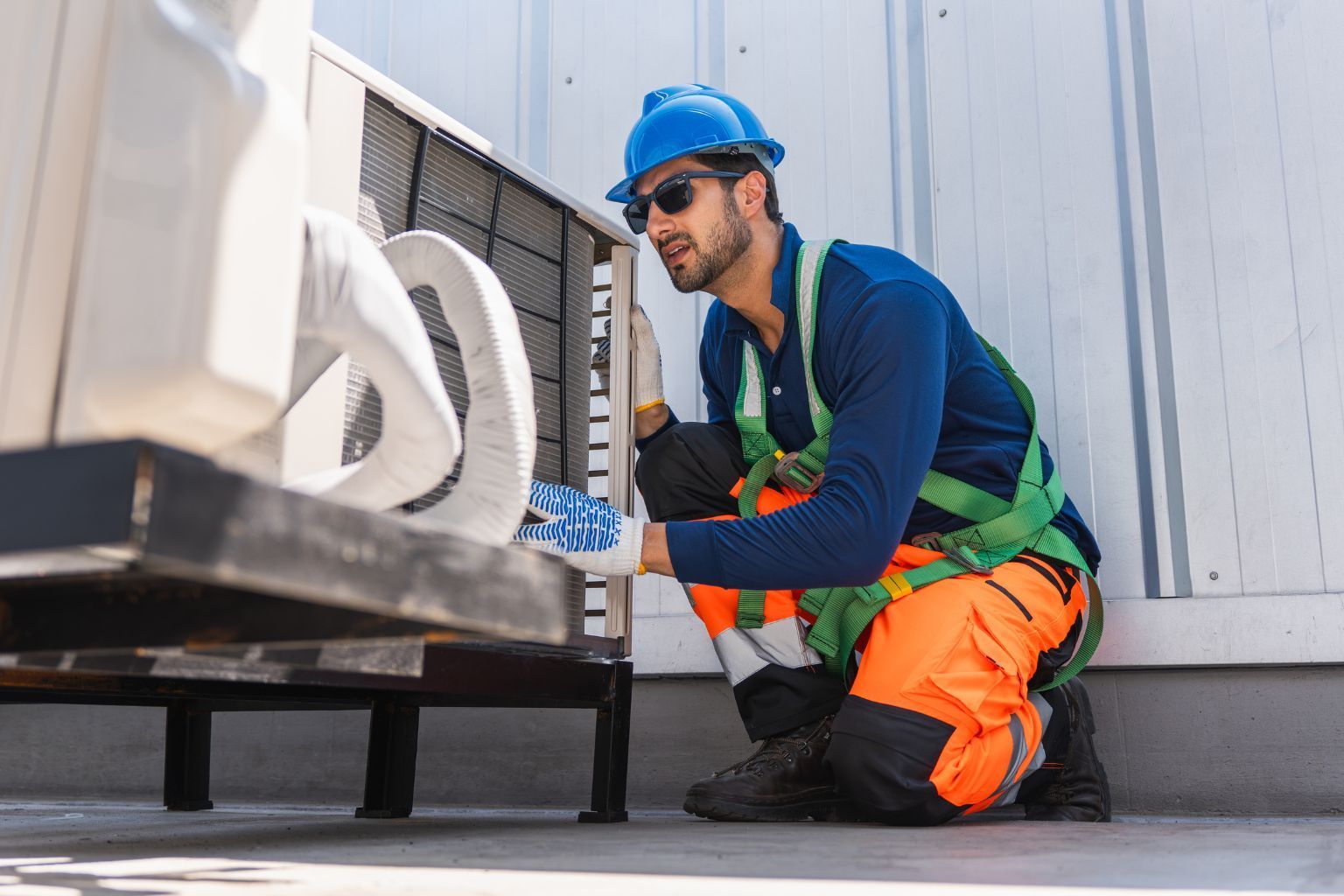
Every pipe, vent, conduit, HVAC unit, and rooftop access point is a penetration — a hole cut through your waterproofing system that relies on sealant and flashing to stay dry. HVAC technicians and other service crews working on the roof can also cause damage they don't report.
What to look for: cracked or missing pipe boots; deteriorated sealant around conduit penetrations; damaged membrane around HVAC unit bases; loose or vibrating equipment creating wear on the membrane beneath it.
Action threshold: Reseal any penetration where sealant has cracked or pulled away. If the membrane around an HVAC unit is worn through, that area needs to be patched or reinforced before the next rain.
On a manufacturing plant in Barron, WI, we found membrane damage around an HVAC unit that had been vibrating loose from its mounts for what looked like two or three years. The rubber around the base was worn completely through — you could see the insulation underneath. The HVAC company that serviced the unit every year never mentioned it. That's not uncommon — their job is the equipment, not the roof. Our inspection caught it before it became a major insulation problem. We reinforced the membrane, resecured the unit, and added walk pads around the base to prevent future wear.
7. Parapet Walls and Coping
Parapets take a beating from weather exposure on three sides. The coping cap on top is the first line of defense, and when it fails, water enters the wall cavity and migrates — sometimes showing up as an interior leak far from the actual entry point.
What to look for: loose, missing, or displaced coping caps; cracked mortar joints in masonry parapets; deteriorated sealant at coping-to-wall joints; efflorescence (white mineral deposits) on the interior face of the parapet, indicating water migration.
Action threshold: Loose coping should be resecured immediately. Efflorescence means water is already inside the wall — the source needs to be found and sealed.
8. Interior Leak Evidence
Not every leak shows up on the roof surface. Some of the most damaging leaks are only visible from inside the building. Walk the top floor and look up.
What to look for: water stains on ceiling tiles or decking; mold or mildew on interior walls near the roofline; peeling paint or bubbling on upper walls; musty odor in top-floor spaces.
Action threshold: Any interior water evidence means the roof is actively leaking somewhere. An exterior inspection alone won't always find it — this is when a professional commercial roof inspection with moisture detection equipment becomes essential.
9. Insulation Condition
Wet insulation is dead insulation. Once water saturates rigid board insulation under a membrane, it loses its R-value permanently and becomes a source of ongoing moisture problems. You can't dry it out — it has to be replaced.
What to look for: soft or spongy areas when walking the roof (indicates wet insulation below); localized ponding that doesn't match the overall roof slope; thermal imaging anomalies (if you have access to IR scanning).
Action threshold: Soft spots on a membrane roof almost always mean wet insulation. That section needs to be cut out and replaced. Ignoring it leads to deck corrosion and structural problems.
10. Rust, Corrosion, and Metal Deterioration
Metal components are everywhere on commercial roofs — flashings, edge metal, HVAC curbs, pipe supports, equipment rails. In our climate, moisture plus road salt residue (carried by wind from nearby highways) accelerates corrosion.
What to look for: surface rust on any metal component; pitting or perforation on older metal flashings; rust staining on the membrane below metal components (indicates active corrosion); corroded fasteners.
Action threshold: Surface rust can be treated. Perforated metal needs replacement. If your building has a metal roof showing widespread surface corrosion, a metal roof coating system can stop the progression and add 10-15 years of life. Want to understand the numbers? See what metal roof coatings actually cost and the ROI they deliver.
11. Roof Access and Safety Equipment
This isn't about the roof's waterproofing — it's about whether anyone can safely get up there to maintain it. A roof that can't be safely accessed doesn't get inspected, and a roof that doesn't get inspected fails.
What to look for: ladder or hatch in safe working condition; guardrails or tie-off points present and sound; designated walkway pads protecting the membrane in high-traffic areas; clear, unobstructed access to all roof areas.
Action threshold: If roof access is unsafe, fix it before anything else. No inspection or maintenance program works if crews can't get on the roof.
12. Previous Repair Quality
This one gets missed constantly. Past repairs — especially emergency patches done by general contractors or handymen — often create more problems than they solve. Incompatible materials, improper adhesion, and sealant-only "fixes" can mask the real issue and trap moisture.
What to look for: patches that don't match the surrounding membrane material; excessive sealant buildup (a sign of repeated band-aid fixes); lifting or debonding of previous repair patches; multiple repairs in the same area (indicates a systemic problem, not a spot issue).
Action threshold: If you see three or more repairs in the same area, the underlying problem hasn't been solved. That section needs professional assessment — not another patch.
We see this one constantly, but one of the worst examples was a warehouse in Turtle Lake, WI. The roof had been patched at least a dozen times in the same 10-foot radius — tar, silicone, peel-and-stick, even what looked like roofing cement from a hardware store. Every time it leaked, someone went up and slapped another layer on top. The actual problem was a failed flashing at a pipe penetration that nobody had diagnosed correctly. We removed the patchwork, replaced the flashing, and restored the surrounding area with fabric-reinforced coating. One proper fix replaced years of failed band-aids.
The Commercial Roof Maintenance Checklist
An inspection tells you what condition your roof is in today. Maintenance is what keeps it from sliding backward — the recurring, scheduled work that adds years to a commercial roof and keeps small problems from ever reaching the inspection report.
The difference matters for your budget. A facility that only inspects is reacting. A facility that inspects and maintains is protecting the asset — and on a commercial roof, every dollar spent on maintenance routinely saves several on premature repair or replacement.
Here’s the maintenance checklist we build our commercial maintenance programs around, organized by how often each task needs to happen. Use it to set your own schedule, or hand it to us and we’ll run it for you.
Twice a Year (Spring & Fall) — the core of every program
- Walk the full roof with the 12-point inspection checklist above and document findings with photos
- Clear all drains, scuppers, and gutters of debris, leaves, pine needles, and granules
- Check every seam and lap for lifting, fish-mouthing, or adhesive failure
- Inspect all flashings and penetration seals; re-seal anything cracked or pulling away
- Remove debris, branches, and any vegetation from the membrane surface
- Verify rooftop equipment is secured and not wearing on the membrane below it
- Check parapet coping caps and joints for movement or open seams
After Every Major Storm
- Inspect for wind-lifted flashing, edge metal, or membrane
- Look for hail bruising, punctures, or impact damage around equipment
- Confirm drains are still clear and water is moving off the roof
- Walk the top-floor interior for new ceiling stains or active drips
Quarterly (for high-traffic or equipment-heavy roofs)
- Re-clear drains and scuppers (buildings near trees clog fast)
- Inspect membrane around HVAC units and any area service crews access
- Check and refresh walk pads in high-traffic zones
- Log any rooftop work performed by HVAC, electrical, or other trades
Once a Year
- Renew sealant at penetrations, terminations, and flashing details before it fails
- Touch up surface rust on metal components before it perforates
- Review the year’s repair history — three repairs in one area means the real problem was never fixed
- Update your roof file: photos, repair invoices, warranty paperwork, drawings
- Assess remaining service life and budget for coating, restoration, or replacement before it’s an emergency
Ongoing — all year
- Keep a written roof log (every leak, repair, and inspection, dated)
- Require any contractor working on the roof to report what they touched
- Keep roof access safe and clear so the roof actually gets maintained
The honest truth about maintenance: most commercial roofs that fail early weren’t built wrong — they were neglected. A roof on a documented maintenance program can outlast its warranty. A roof that only gets attention when it leaks rarely makes it that far. If keeping up with this list isn’t realistic for your team, that’s exactly what a commercial roof maintenance program is for — we’ll handle the schedule, the documentation, and the repairs, so the roof never becomes the thing that surprises you.
What should you do after finding problems on your commercial roof?
If you walked your roof and everything checked out — great. Do it again in six months.
If you found issues — and on most commercial roofs over 10 years old in this climate, you will — the question becomes: how bad is it, and what's the right fix?
That's where guessing costs money.
A professional inspection with American Eagle Roofing gives you a full condition report with photos, identifies the root cause (not just the symptom), and lays out your options — repair, restore with a coating or fabric-reinforced system, or replace. If your metal roof lands in the gray zone, our guide on whether to coat or replace your metal roof walks through exactly how to make that call. We'll tell you what your roof actually needs, even if the answer is "nothing right now."
The inspection is free. The information it gives you could save you tens of thousands of dollars in unnecessary repairs or emergency replacements.
→ Take both checklists with you. Get the free checklist PDF — print it, walk your roof, and call us at 715-607-4276 if you find something you’re not sure about.
Schedule your free commercial roof inspection and find out exactly where your roof stands — before the next season does the deciding for you.
Frequently Asked Questions
How often should a commercial roof be inspected?
At minimum, twice per year — once in early spring after the freeze-thaw cycle and once in late fall before snow season. Additional inspections should follow any major storm, hail event, or sustained high winds. Buildings with heavy rooftop equipment or frequent service traffic should consider quarterly inspections.
Can I inspect my commercial roof myself?
You can and should do basic visual walkthroughs using this checklist. But certain issues — wet insulation, hidden membrane damage, seam integrity testing, and moisture detection — require professional equipment and experience to identify accurately. A self-inspection catches the obvious. A professional inspection catches what's about to become obvious.
What does a professional commercial roof inspection include?
Our inspections cover every item on this checklist plus moisture scanning, seam probe testing, photo documentation of all findings, and a written condition report with repair/restore/replace recommendations. We inspect the interior for leak evidence as well. The full inspection is free for commercial buildings in our service area.
How long does a commercial roof inspection take?
Depends on the building size and roof complexity, but most inspections for buildings under 30,000 square feet take 1-3 hours. You'll receive the written report within a few business days.
What's the difference between a roof inspection and a roof maintenance program?
An inspection is a one-time assessment — a snapshot of current condition. A maintenance program is ongoing: scheduled inspections, drain clearing, sealant renewal, minor repairs, and documentation over time. Maintenance programs extend roof life significantly and are especially valuable for buildings with single-ply membrane or built-up roofing systems.
My roof is leaking — should I use this checklist or call for an inspection?
Call. If you have an active leak, you need professional diagnosis and repair, not a checklist. An active leak means water is already causing damage to insulation, decking, and interior finishes. Contact us to schedule an emergency inspection and we'll get a crew out to identify the source.