Metal Roof Coating Cost and ROI: What Commercial Building Owners Actually Pay
Coating your roof can be very cost effective.
You're looking at this page because someone told you your metal roof needs work and you want to know what it costs before you call anyone. Fair enough.
Here's the straight answer: a metal roof coating costs a fraction of what full metal panel replacement costs. The gap between the two is substantial — often the difference between a manageable maintenance expense and a major capital project.
That cost gap is why coatings exist. But cost alone doesn't tell you whether a coating is the right move for your building. This post covers what drives the price, what the ROI looks like, and when the "cheaper" option is actually the wrong one.
For the full picture of commercial roofing options in WI and MN, see our pillar guide. For details on the coating systems themselves, see our metal roof coatings page.
What does a metal roof coating actually cost?
Every metal roof is different, so quoting a number without seeing the roof isn't something we do. What we can tell you is how the coating tiers break down and what drives the price:
Basic silicone or acrylic coating (no fabric reinforcement): The most affordable option. Single coat application over a metal roof in fair condition. Seals fasteners, minor seam gaps, and surface rust. Adds 10-12 years of service life. Best for roofs with minimal active problems.
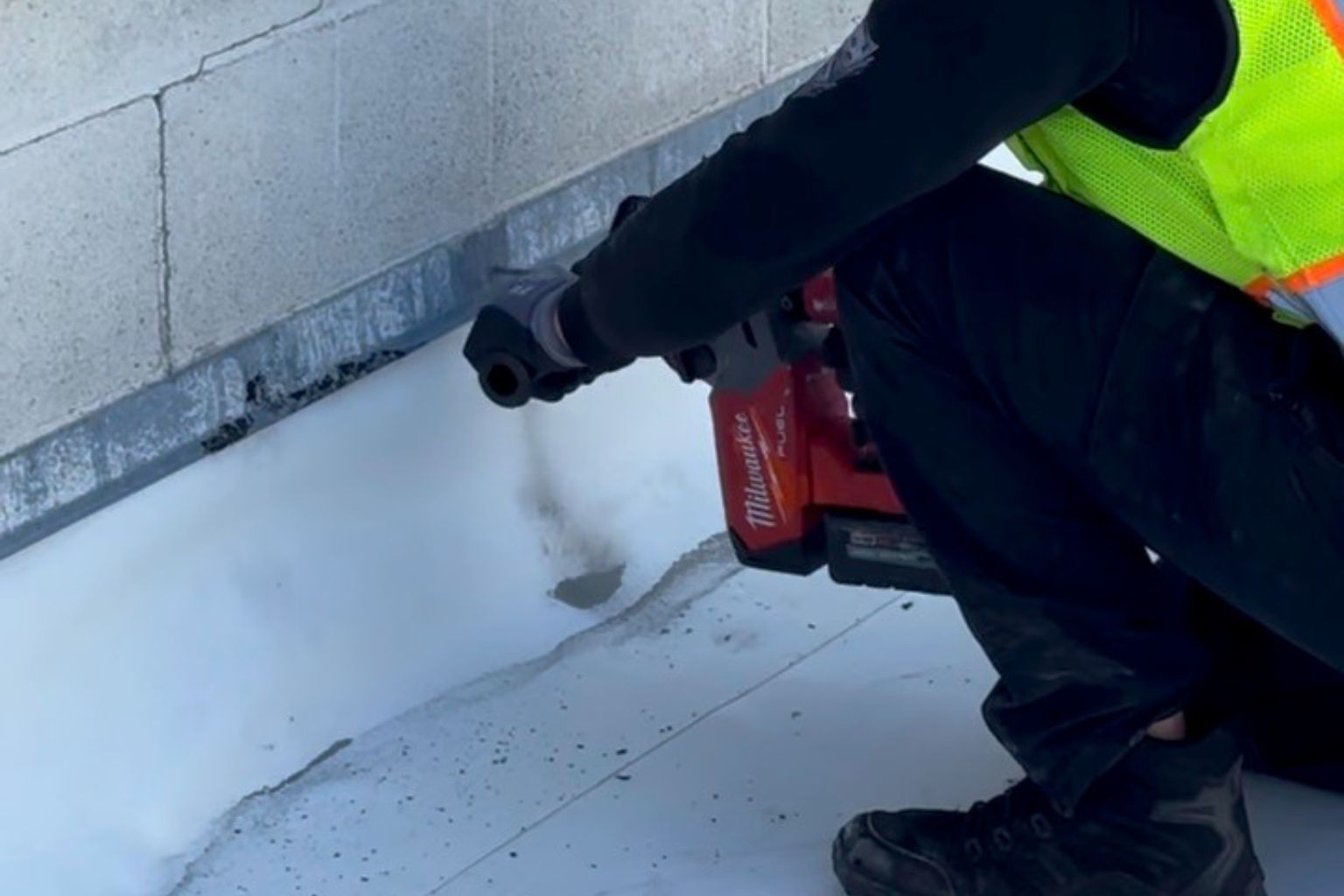
Premium coating system with seam and fastener detail work: Mid-range. Includes caulking or taping every seam and fastener head before the coating goes on. More labor-intensive but dramatically more effective. Adds 12-18 years.
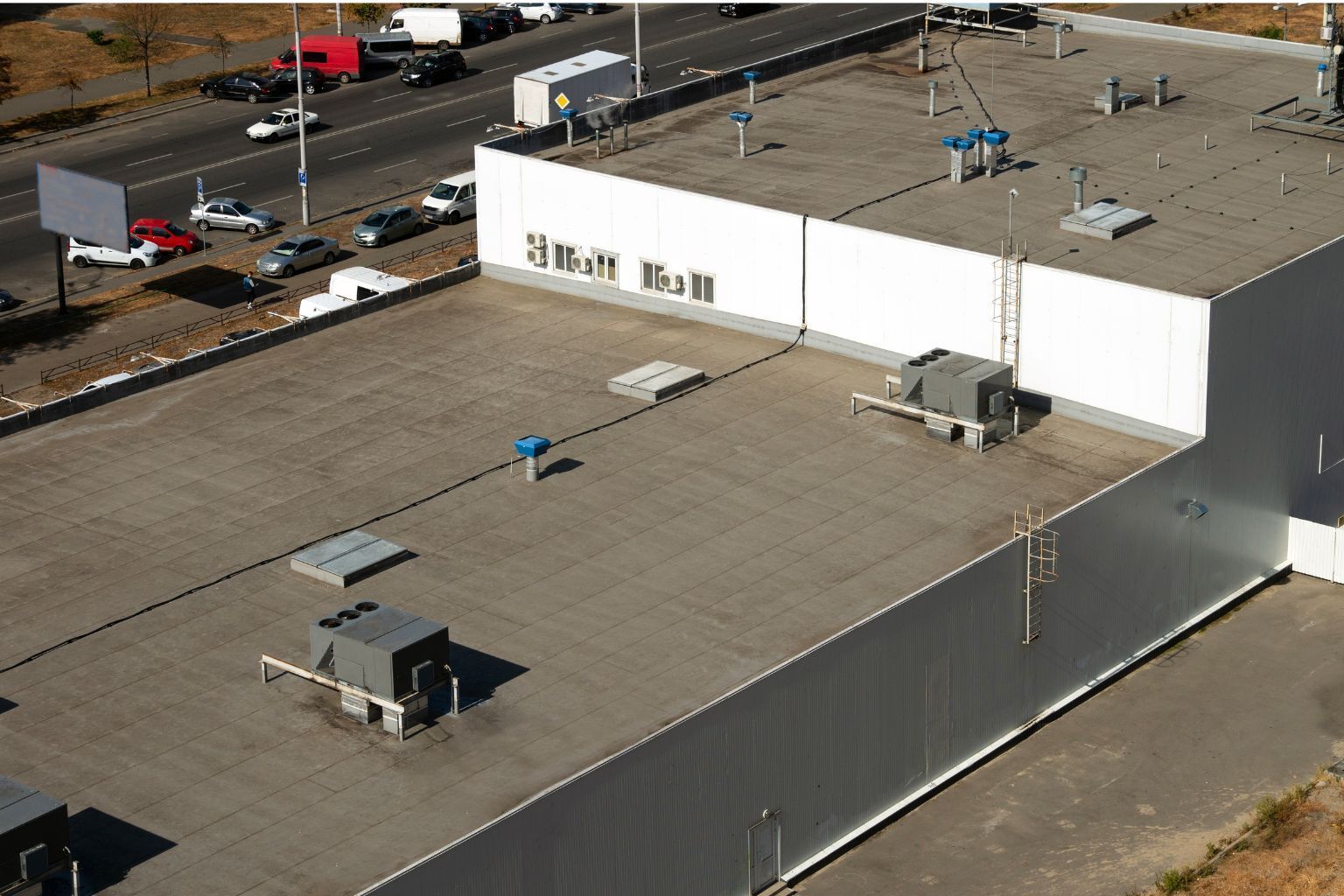
We coated a 30,000 SF agricultural supply building in Osceola, WI with this approach. The metal panels were in solid shape — just surface rust and seam gaps from 25 years of thermal cycling. Our crew detailed every seam and fastener head before applying the coating. The owner had been dealing with leaks every spring for the last five years. After the coating, he went through an entire winter and spring with zero leaks for the first time in recent memory. The project cost a fraction of what panel replacement would have run him.
Fabric-reinforced coating system over metal: The most comprehensive option. Reinforcing fabric is embedded in the coating at seams, panel overlaps, and high-stress areas, then the entire surface gets a full coating. This handles roofs with more significant seam failures and corrosion. Adds 15-20 years. Details on fabric-reinforced roofing systems.
For comparison — full metal panel replacement: The most expensive path by a wide margin. Tear-off existing panels, replace structural fasteners, install new insulation if needed, install new metal panels. This is the nuclear option — sometimes necessary, often avoidable.
What drives the cost up or down?
Six factors determine where your project lands in those ranges:
1. Roof size. Larger roofs cost less per square foot — mobilization and setup costs are spread over more area. The per-square-foot cost drops meaningfully as the project gets bigger.
2. Current roof condition. A metal roof with surface rust and tight seams costs less to coat than one with open seams, perforated panels, and widespread corrosion. More prep work = more labor = higher cost.
3. Number of penetrations and details. Every pipe, vent, HVAC curb, skylight, and edge condition needs individual detailing. A warehouse with 10 penetrations costs less to detail than a manufacturing building with 50. Penetration count is often the biggest variable between quotes.
4. Roof access and pitch. Flat or low-slope metal roofs are standard. Steeper pitches require safety equipment and slow down production. Multi-story buildings add lift and material staging costs. Limited access (no ladder points, no hatch) adds setup time.
5. Coating type. Silicone coatings cost more per gallon than acrylics but perform better in ponding water conditions. The right choice depends on your roof's drainage — not just the price tag.
6. Surface preparation required. Rust needs to be treated. Old coatings that are peeling need to be removed. Debris needs to be cleared. The dirtier and more corroded the starting surface, the more prep labor goes into the job.
What's the ROI on a metal roof coating?
ROI on a commercial metal roof coating comes from three sources: avoided replacement cost, energy savings, and extended useful life.
Avoided replacement cost. This is the big one. A coating that adds 15 more years of service and avoids or defers a full panel replacement delivers massive savings. Even if you eventually replace down the road, you deferred that major capital expense and kept the money working elsewhere in your business.
A trucking company in Somerset, WI is a perfect example. They had a 40,000 SF maintenance garage with a metal roof that a replacement contractor said needed new panels. The quote was eye-watering. We inspected it and found the panels were structurally sound — surface rust and seam issues, but no perforation and no fastener failure. We coated it with a fabric-reinforced system. The owner took the money he saved and put it into a fleet expansion instead of burying it in a roof. That's what we mean by ROI — it's not just what you save on the roof, it's what you do with the savings.
Energy savings. Reflective coatings (white silicone or acrylic) reduce roof surface temperature by 50-70°F in summer sun. On a large commercial building, that translates to measurable cooling cost reduction that compounds year over year for the life of the coating.
Extended useful life. A metal roof that was going to need replacement in 3-5 years gets 15-20 more years with a coating. That's not just cost savings — it's budget predictability. You move from "emergency capital expense in the next few years" to "planned maintenance with a known timeline."
The bottom line: On most commercial metal roofs that qualify, coating delivers dramatically better cost-per-year economics than replacement. That's why we lead with coatings on metal roofs that qualify.
When does the ROI NOT work?
Coatings don't make financial sense when:
The metal panels are perforated. If corrosion has eaten through the metal in multiple areas, coating over holes doesn't fix the structural problem. At that point, panel replacement is the only option.
We had to deliver that news to a self-storage facility owner in St. Croix Falls, WI. He called us hoping for a coating — and we wanted to help. But when we got on the roof, there were rust-through holes in a dozen panels, concentrated around the ridge cap where moisture had been sitting for years. You could see daylight through the metal from inside the building. Coating over perforated panels is like putting a Band-Aid on a broken bone. We told him straight: those panels need to be replaced. He appreciated the honesty — the last contractor had quoted him a coating without ever getting on the roof.
The structural fasteners are failing. If the screws holding panels to purlins are corroded, loosened, or backing out across the roof, the attachment system is failing. A coating doesn't address structural attachment.
The roof has less than 5 years before planned demolition or major renovation. If you're going to tear the building down or gut-renovate it within 5 years, investing in a coating that lasts 15 years doesn't make sense. Do spot repairs to keep it dry until the renovation.
The insulation under the metal is saturated. Same rule as membrane roofs — wet insulation is dead insulation. If moisture has gotten through the metal and into the insulation below, coating the surface doesn't address the underlying problem.
For a complete framework on this decision, see our guide on whether to coat or replace your metal roof.
How does this compare to other commercial roofing costs?
Metal roof coatings sit at the lower end of the commercial roofing cost spectrum. The hierarchy from least to most expensive: metal roof coating, fabric-reinforced restoration (on membrane roofs), single-ply membrane replacement, and full metal panel replacement at the top.
The least expensive option isn't always the right one. But when a metal roof qualifies for coating — and roughly 60-70% of the metal roofs we inspect do — it's almost always the best financial decision.
Our fabric-reinforced vs single-ply comparison covers the cost and performance tradeoffs for membrane roofs specifically.
What's the next step?
Get an inspection. Not a quote — an inspection.
A quote without an inspection is a guess. We need to see the roof condition, assess the seams and fasteners, check for corrosion severity, and determine whether coating is viable before we can give you a number that means anything.
The inspection is free. It takes 1-3 hours. You get a written report with photos and a clear recommendation — coat, restore with fabric reinforcement, or replace. We'll give you real numbers for each option that applies.
→ Schedule your free metal roof inspection and find out exactly what your roof needs and what it'll cost — before corrosion makes the decision for you.
Check your roof yourself first with our 12-point commercial roof inspection checklist. For winter-specific concerns, see what to inspect after a WI/MN winter.
Frequently Asked Questions
How long does a metal roof coating last?
10-20 years depending on the coating system, application quality, and roof condition at the time of installation. Basic single-coat applications on roofs in good condition: 10-12 years. Premium systems with seam detailing: 12-18 years. Fabric-reinforced systems: 15-20 years.
Is a metal roof coating worth it on an old roof?
It depends on the metal condition, not the age. A 30-year-old metal roof with surface rust but intact panels and tight structural fasteners is an excellent coating candidate. A 15-year-old metal roof with perforated panels and failing fasteners is not. Condition determines viability — age is secondary.
Can you coat a metal roof that's already been coated?
Yes, with proper preparation. The existing coating needs to be assessed — if it's adhered and in fair condition, a new coat goes over it. If it's peeling or failing, the loose material needs to be removed first. Recoating is common and significantly cheaper than the original application because the detail work is already done.
What type of coating is best for metal roofs?
Silicone for roofs with ponding water areas. Acrylic for roofs with good drainage and where cost sensitivity is high. Both come in white reflective formulations. The right choice depends on your roof's drainage patterns — something the inspection identifies.
Does coating a metal roof stop leaks?
Yes — when properly applied. The coating seals fastener penetrations, seam gaps, and surface corrosion that create leak paths. But if leaks are caused by structural panel failure or perforated metal, coating alone won't solve the problem.
Do I need to shut down operations during metal roof coating?
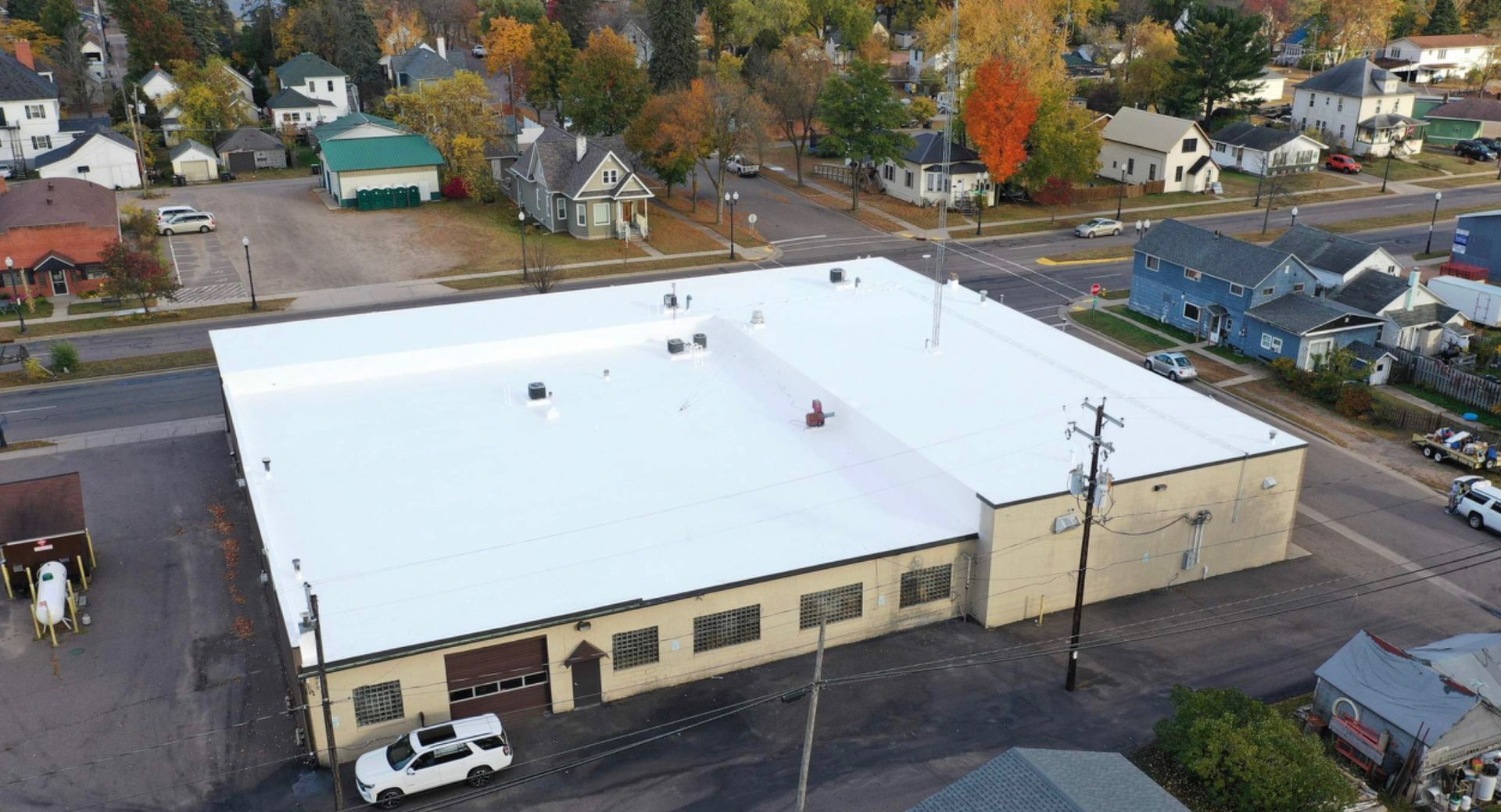
No. Coating application happens on the roof exterior with no tear-off, no debris, and minimal noise. Your building stays fully operational. Most projects are completed in 3-7 working days depending on roof size.