Fabric-Reinforced vs Single-Ply Roofing: How to Choose the Right System
Two systems. Different strengths. Here's how to pick the right one for your building.
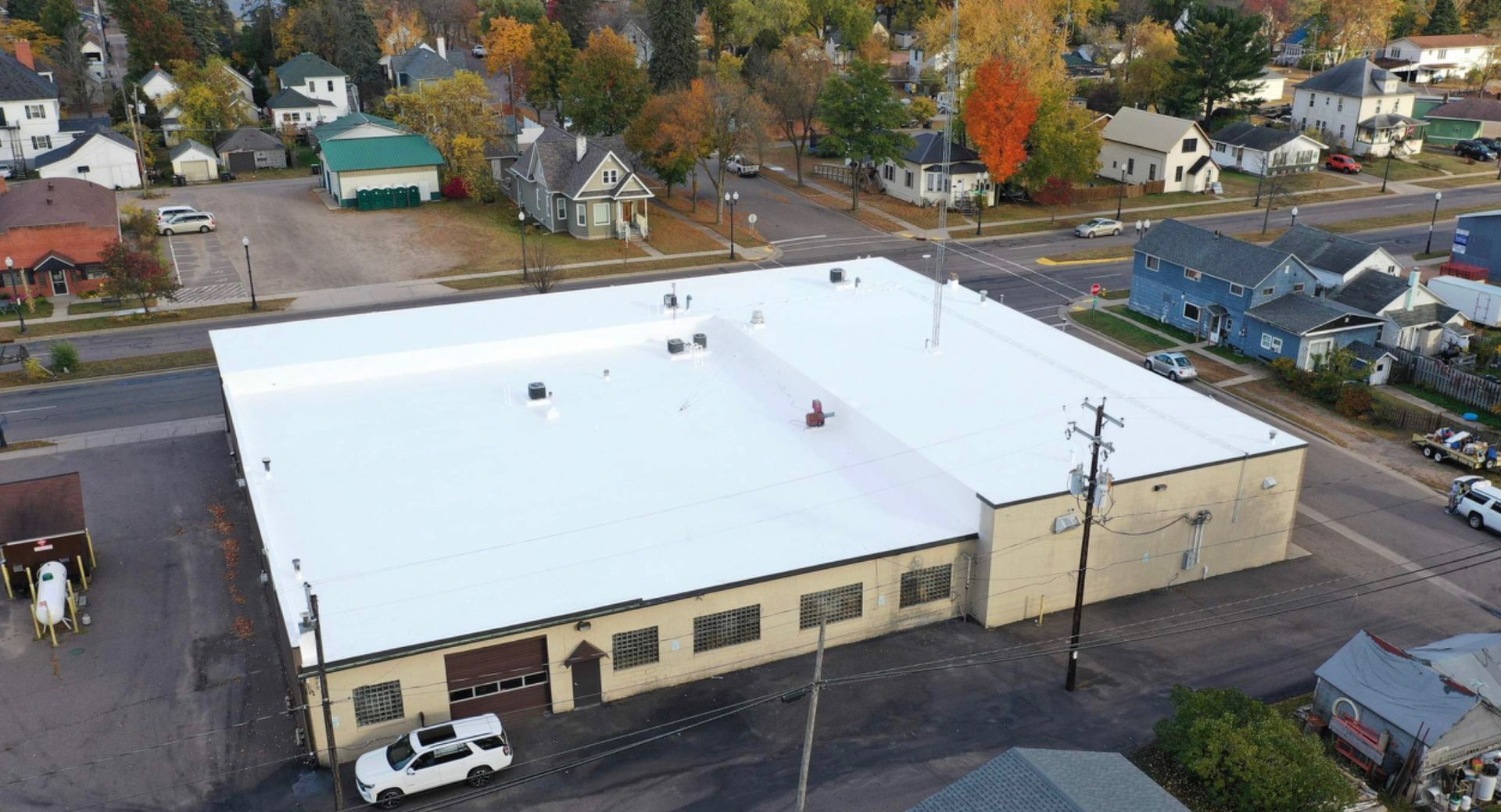
Two systems dominate the commercial flat roofing conversation in Western Wisconsin and Eastern Minnesota: single-ply membrane and fabric-reinforced restoration. They solve different problems, cost different amounts, and make sense at different points in a roof's life.
This guide breaks down when each system is the right call — and when it isn't. If you manage a commercial building and you're trying to decide between the two, this is the comparison we walk through with every building owner before we recommend anything.
Both options are part of the commercial roofing solutions we provide across WI and MN. The right choice depends on what's already on your roof, how old it is, and what condition it's in.
What is single-ply membrane roofing?
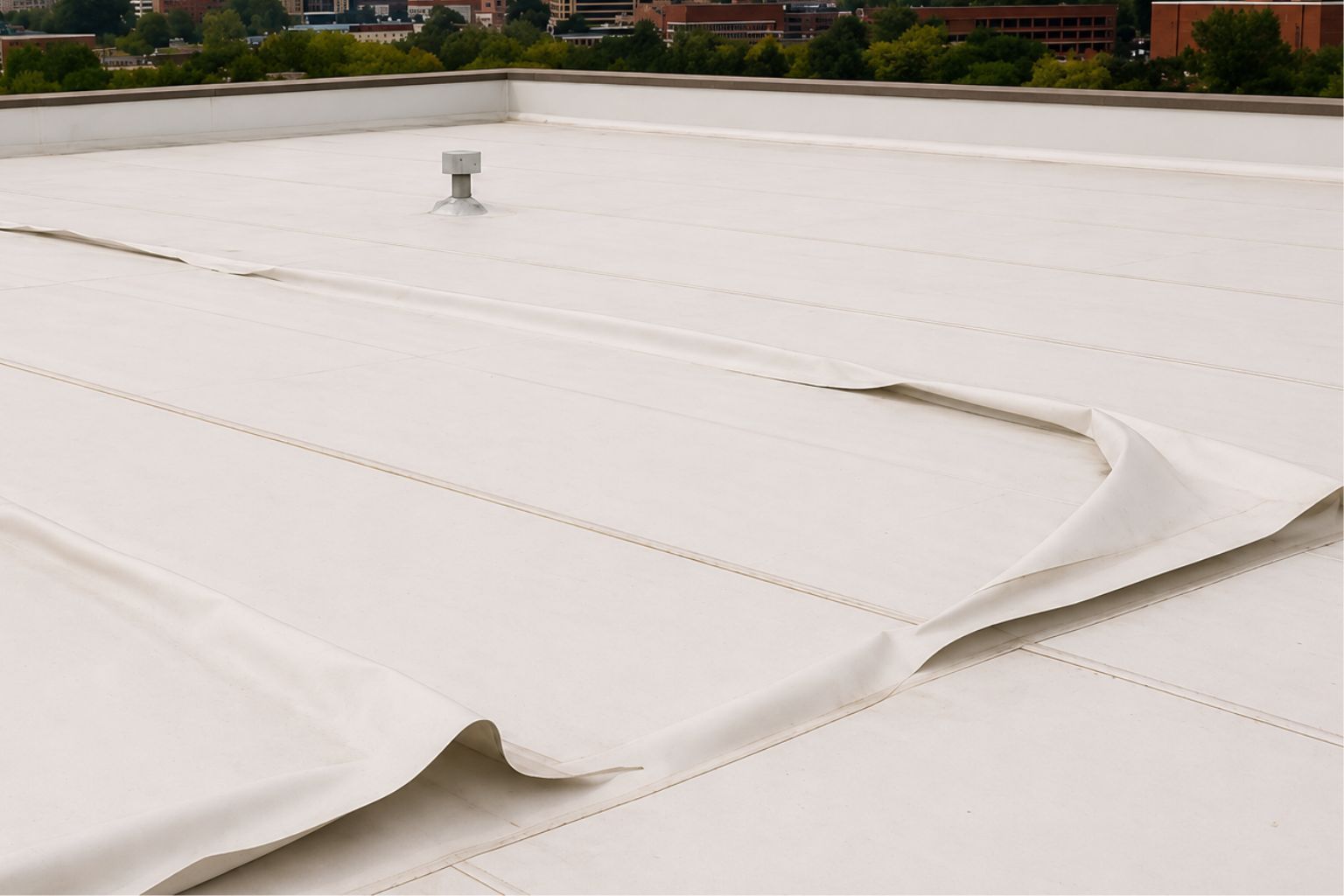
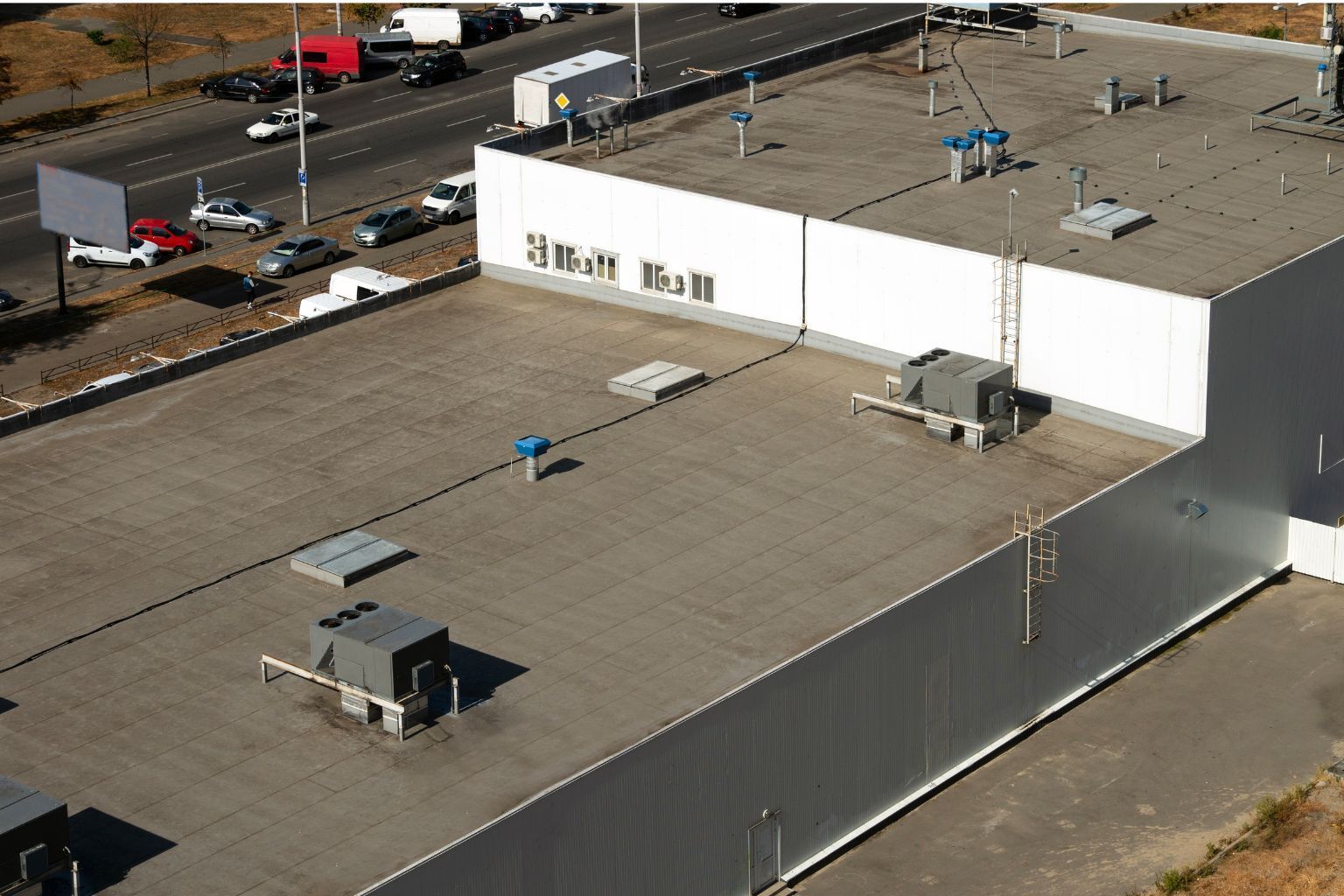
Single-ply membrane is a factory-manufactured sheet of synthetic roofing material — TPO, EPDM, or PVC — installed as a single layer over insulation on a commercial flat roof. It's the most common system on commercial buildings built or re-roofed in the last 30 years.
The membrane is either heat-welded (TPO, PVC) or adhesive-bonded (EPDM) at the seams. It's lightweight, relatively fast to install, and comes with manufacturer warranties ranging from 15 to 30 years depending on the system and thickness.
Single-ply is a new installation system. It goes on a roof that's been stripped to the deck (or over existing systems in some retrofit scenarios). It's the right choice when you need a full roof system — membrane, insulation, and attachment — from scratch.
For a detailed comparison of the three single-ply types, see our TPO vs EPDM vs PVC decision matrix. For full details on single-ply membrane roofing systems, see our dedicated page.
What is fabric-reinforced roofing?
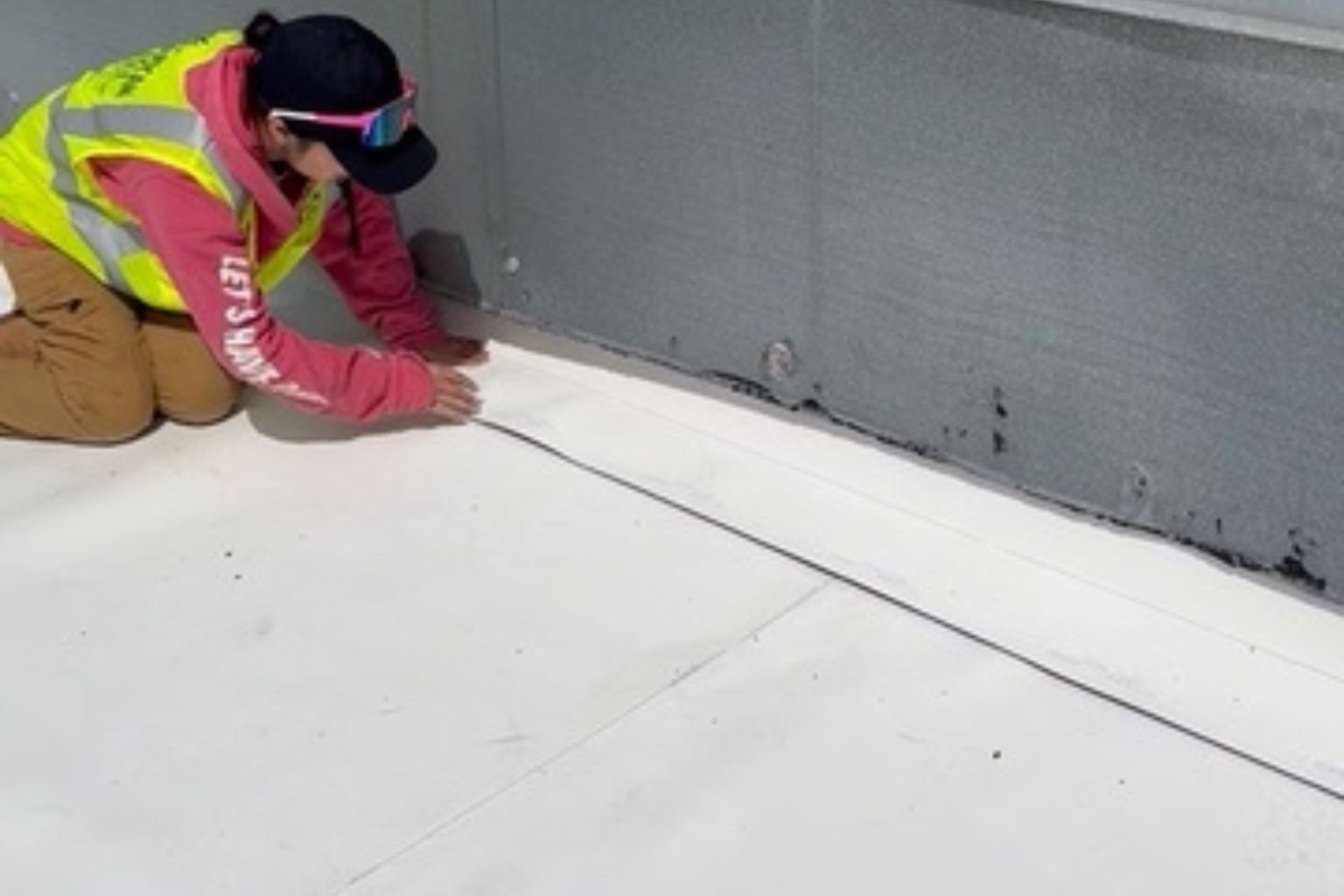
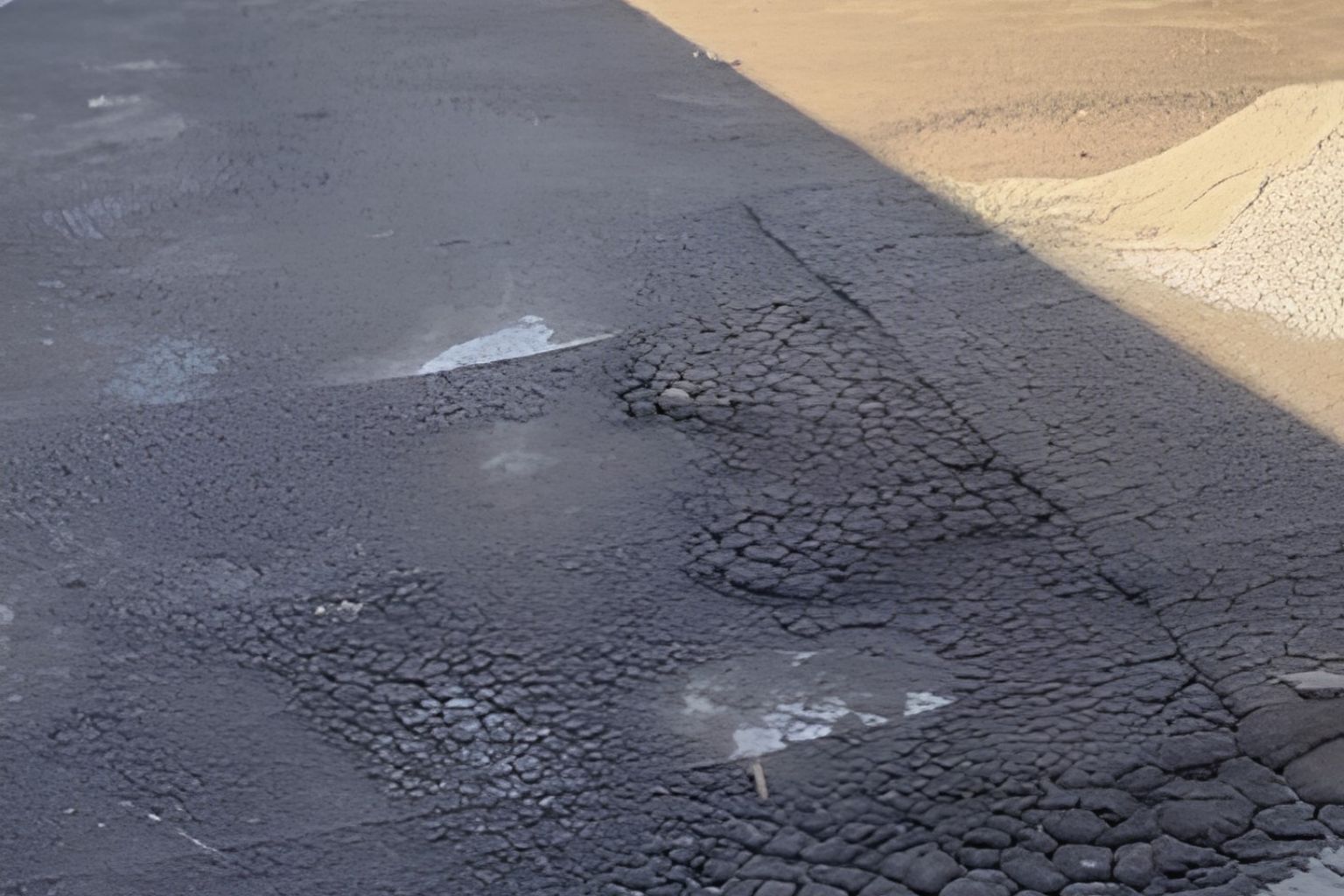
Fabric-reinforced roofing is a restoration system — not a replacement system. It applies a reinforcing polyester or fiberglass fabric embedded in a liquid-applied coating over your existing roof surface. The fabric bridges cracks, spans failed seams, and reinforces weak areas. The coating creates a new monolithic waterproof membrane on top of the old one.
The key difference: you don't tear off the existing roof. The old membrane, insulation, and deck stay in place (provided they're in acceptable condition). This eliminates tear-off labor, disposal costs, and the disruption of a full replacement.
Fabric-reinforced systems typically extend roof life 15-20 years. They're applied by trained crews in a matter of days, not weeks. Full details on our fabric-reinforced roofing systems page.
When is single-ply the right choice?
Single-ply membrane is the right system when you need a completely new roof assembly. Specifically:
The existing insulation is saturated. Wet insulation can't be dried, can't be coated over, and can't be restored. It has to come out. Once you're tearing off insulation, you're doing a full replacement — and single-ply is the standard system for that.
We ran into this on a retail building in Menomonie, WI last year. The building owner wanted a restoration — the price was right and the disruption was minimal. But when we ran the infrared scan, over 40% of the insulation was saturated. Years of slow leaks from failed seams had been soaking the rigid board underneath. There was no restoring that roof. We replaced the wet sections with new TPO and insulation, and the owner said he wished he'd called us two years earlier — before the damage spread that far.
The roof deck has structural damage. Corroded metal decking, rotted wood decking, or deflected concrete — if the structural substrate needs repair, the entire system above it comes off. New insulation, new membrane, new attachment.
The building is new construction or a major addition. No existing roof to restore. Single-ply goes on clean.
You need maximum warranty length. Manufacturer warranties on single-ply systems can extend to 25-30 years with premium installations. Fabric-reinforced restoration warranties are typically 10-20 years. If warranty duration is the primary decision driver, single-ply wins.
Code requires a full system. Some municipalities or building codes require full system replacement when roof work exceeds a certain percentage of the roof area. In those cases, restoration isn't an option regardless of condition.
When is fabric-reinforced the right choice?
Fabric-reinforced restoration is the right system when the roof has failed at the surface but not underneath. Specifically:
The membrane is cracking, chalking, or showing seam failures — but the insulation is dry. This is the sweet spot. The surface is failing, but the structural system underneath is sound. Fabric-reinforced bridges the surface failures and creates a new waterproof layer without touching what's working.
You need to avoid tear-off disruption. A full tear-off on an occupied building means noise, debris, potential exposure to weather during installation, and weeks of work. Fabric-reinforced restoration is applied over the existing surface with minimal noise and no building exposure. The building stays fully operational.
Budget is a constraint. Fabric-reinforced restoration costs significantly less than full single-ply replacement for the same building. If the roof qualifies for restoration, it's almost always the smarter financial decision.
We worked with a property manager in Hudson, WI who had a 22,000 SF warehouse with an aging EPDM membrane. The seams were failing in multiple spots and the ceiling tiles were staining after every hard rain. He'd already gotten a full tear-off quote and nearly choked on the number. Our inspection showed dry insulation across the entire roof — the surface was shot, but everything underneath was solid. We restored it with a fabric-reinforced system, and that building hasn't leaked since. He saved a substantial amount compared to the replacement quote and got a 20-year warranty on the restored system.
The roof has multiple repair patches that keep failing. Repeated patching over years of spot repairs creates a patchwork surface that's impossible to maintain. Fabric-reinforced goes over the entire area — patches, original membrane, and all — creating one uniform waterproof surface.
You plan to sell the building within 15-20 years. If you don't need a 30-year system, paying for one doesn't make sense. A restoration that lasts 18 years at a fraction of replacement cost delivers better cost-per-year economics than a replacement that lasts 25 years — especially if you're not the one benefiting from those extra 7 years.
It's also worth knowing when fabric-reinforced is not the right fit. We wrote a separate guide on when fabric-reinforced roofing is the wrong choice so you can see both sides.
How do the costs compare?
Exact pricing varies by building size, roof condition, and project complexity — but the relative economics are consistent:
Fabric-reinforced restoration typically costs significantly less than full single-ply replacement. No tear-off labor, no disposal fees, no new insulation. The savings are substantial on most commercial buildings, and the gap widens on larger projects.
The tradeoff: restoration works only when the underlying system is sound. When it qualifies, it's almost always the smarter financial decision. When it doesn't qualify, replacement is the only responsible option regardless of cost.
Every project is different — the only way to get real numbers is to have the roof inspected. For metal buildings specifically, the economics are different. See our metal roof coating cost and ROI breakdown.
How do they perform in WI/MN winters?
Both systems handle Wisconsin and Minnesota winters, but they handle them differently.
Single-ply membrane relies on seam integrity. Heat-welded seams on TPO and PVC are strong when new, but freeze-thaw cycling stresses them over time. EPDM adhesive seams are more vulnerable to cold-weather bond failure. The membrane itself contracts in cold and expands in heat — 170+ degree swings annually in this region. After 10-15 years of that cycling, seam failures become the primary leak source.
Fabric-reinforced systems are monolithic — no seams on the restored surface. The reinforcing fabric spans existing seam locations, and the coating creates a continuous membrane. This eliminates the seam-failure problem that drives most single-ply repairs in our climate. The tradeoff: fabric-reinforced can't replace failing insulation, so if freeze-thaw has already driven moisture into the insulation layer, restoration won't solve the underlying problem.
For a deeper look at winter-specific damage patterns, see our guide on what to inspect on your commercial roof after a WI/MN winter.
How do you decide?
The decision comes down to one question: what condition is the roof in beneath the surface?
If the insulation is dry and the deck is sound → fabric-reinforced restoration is almost always the better value.
If the insulation is wet or the deck is damaged → single-ply replacement is the only responsible option.
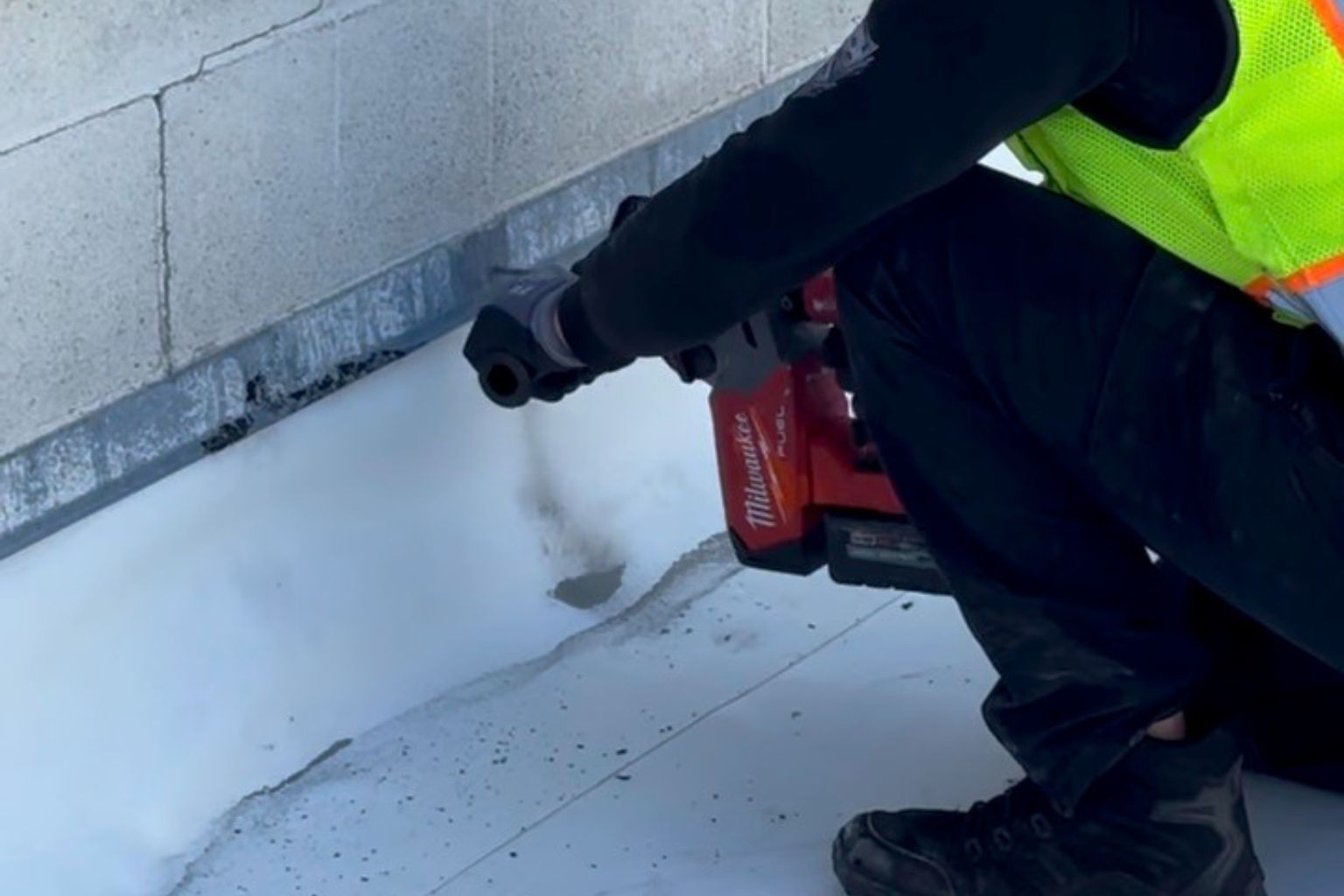
If you're not sure → you need an inspection. Not a guess, not an assumption based on age, not a recommendation from someone who hasn't been on the roof. An actual inspection with moisture detection that tells you what's happening underneath.
American Eagle Roofing performs both restoration and replacement. We don't have a financial incentive to push one over the other — we recommend what fits. Sometimes that's fabric-reinforced. Sometimes it's single-ply. Sometimes it's "your roof is fine, check it again next year."
→ Schedule a free commercial roof inspection and we'll tell you which system your building actually needs — no guesswork, no pressure.
Use our 12-point inspection checklist if you want to do a preliminary walkthrough before calling us.
Frequently Asked Questions
Can you install fabric-reinforced over an existing single-ply membrane?
Yes — that's one of the most common applications. Fabric-reinforced systems are designed to go over existing TPO, EPDM, PVC, modified bitumen, and built-up roofing. The existing membrane stays in place as long as it's adhered to the substrate and the insulation underneath is dry.
How long does fabric-reinforced restoration last compared to new single-ply?
Fabric-reinforced systems typically last 15-20 years with proper maintenance. New single-ply systems last 20-30 years depending on material and installation quality. The cost-per-year of useful life is often comparable or better for fabric-reinforced because the upfront cost is significantly lower.
Does fabric-reinforced restoration void my existing roof warranty?
Your existing warranty is likely already expired or near expiration if restoration is being considered. The fabric-reinforced system comes with its own warranty — typically 10-20 years depending on the product and specification. The new warranty covers the restored system from the date of installation.
Can I do fabric-reinforced on part of my roof and single-ply on another?
Yes. We've done projects where one section of the building has dry insulation (restored with fabric-reinforced) and another section has saturated insulation (torn off and replaced with single-ply). It's actually a smart approach — it saves money where restoration works and addresses problems where it doesn't. We did exactly this on a manufacturing facility in Chippewa Falls, WI — the east wing had dry insulation and got a fabric-reinforced restoration, while the west wing near the exhaust vents had years of moisture intrusion and needed full tear-off and new TPO. The owner saved significantly by not replacing the entire roof when only half of it needed it.
Which system is more energy-efficient?
Both offer reflective, energy-efficient options. White TPO and PVC are inherently reflective. Fabric-reinforced coatings are available in white reflective formulations. On a head-to-head basis, energy performance is roughly comparable. The bigger efficiency factor is insulation condition — wet insulation kills R-value regardless of what's on top of it.
How do I know if my insulation is wet without tearing the roof open?
A professional inspection with infrared (IR) thermal scanning can detect wet insulation without cutting into the roof. Wet insulation shows up as a thermal anomaly — it holds heat differently than dry insulation. This is a standard part of our inspection process.